Locations:


The answer is highly personal, but 1 to 2 pounds per week is typically a safe, sustainable pace

Image content: This image is available to view online.
View image online (https://assets.clevelandclinic.org/transform/1ba676dd-35cc-495e-852c-25af24a7fb0d/light-weights-2250873295)
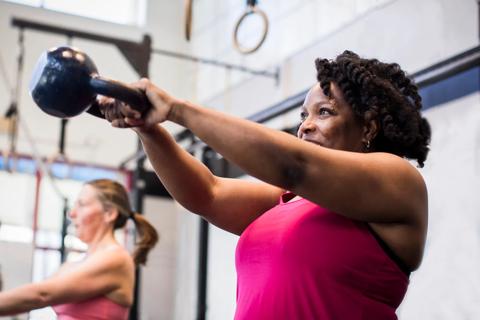
Smiling person, lifting dumbbells
Getting started on a safe, sustainable weight loss plan is no small thing. It takes time, energy and commitment. So, it’s important to set yourself up for success.
Advertisement
Cleveland Clinic is a non-profit academic medical center. Advertising on our site helps support our mission. We do not endorse non-Cleveland Clinic products or services. Policy
One way to do that is to establish reasonable goals and a realistic weight loss timeline.
So, how long does it take to lose weight healthily? We asked obesity medicine specialist Peminda Cabandugama, MD.
The internet is full of information about what healthy, sustainable weight loss looks like, how fast it should happen and when something’s wrong. You may read that people lose weight faster in the first two weeks because it’s all water weight. Or that you should be seeing results within three to six weeks of starting a weight loss plan.
But it isn’t that simple. Our bodies respond differently, and they don’t always stick to schedules. So, Dr. Cabandugama cautions against getting hung up on timelines.
There’s no standard rule or timetable for weight loss — what’s safe and healthy depends on your unique circumstances.
“Obesity is a chronic disease. And just like any other chronic disease, the way we approach it has to be personalized,” he emphasizes.
While there’s no single timeline for weight loss, there are two goalposts that obesity medicine specialists keep in mind to ensure you aren’t dropping weight too quickly.
Dr. Cabandugama says safe weight loss can look like losing:
Advertisement
“These recommendations work like a safety net to make sure that you don’t lose weight too fast,” he adds. “That’s because when you lose weight too quickly, you can lose muscle and bone, too.”
Rapid weight loss may not always be sustainable either. Fad diets, for example, may help you drop weight quickly, but they aren’t practical or safe options for weight maintenance. The best way to avoid rebound weight gain is to make lifestyle changes. And building healthier habits can take time.
Plus, sometimes the changes you make don’t show up on the scale. Dr. Cabandugama says that’s OK. Instead of worrying about hitting target weight or losing the same amount every week, focus on:
“These are all good signs that you’re getting healthier,” he encourages.
Your best bet is to talk to a healthcare provider to find out what a reasonable goal looks like for you. That way, your timeline accounts for variables like your:
All of these factors are part of the reason why healthy weight loss timelines and pacing can vary so dramatically.
“I see some people give up soda and lose 50 pounds in the first two or three months,” Dr. Cabandugama notes. “Others need to proceed more slowly than 1 to 2 pounds a week to be safe.”
Dr. Cabandugama recommends that you meet with a healthcare provider if you want to try to lose weight and:
And be sure to follow up with your provider if you aren’t hitting the standard weight loss benchmarks.
“If you’re making changes, like eating fewer calories or working out more, but you haven’t lost 5% of your body weight in three months or noticed your waistline going down, that’s a great time to reach out to your provider,” Dr. Cabandugama advises.
The bottom line? There’s no such thing as “normal” when it comes to weight loss timelines. You’re running your own race at your own pace. And remember that you don’t have to do it alone.
Advertisement

Sign up for our Health Essentials emails for expert guidance on nutrition, fitness, sleep, skin care and more.
Learn more about our editorial process.
Advertisement

Some still turn to a 500-calorie deficit to lose weight, but that approach isn’t always effective or healthy

A consistent walking program is an effective way to drop pounds and lose body fat
Successful weight loss takes a long-term commitment — build a healthy lifestyle you can stick with

Opt for snacks that have protein, fiber and healthy fats to help prevent cravings and keep you feeling full and satisfied

Fat exits your body in your breath, pee and sweat

It can, but it isn’t sustainable, lacks nutritional balance and you’ll likely regain weight as soon as you start eating adult foods again

Consuming all of your calories in an eight- to 12-hour timeframe may help you drop pounds

Foods high in protein and fiber can help suppress your appetite, as can exercise, sleep and other healthy habits
This simple practice can help you notice what’s meaningful, comforting or going well

Maca root supplements claim benefits like sexual health, menopause symptom relief and more energy — but human research is limited

It can take a few months — and you’ll need to put down the tweezers to give your brows time to recover
 Search