Locations:





 Search
Iron plays a vital role in hair growth and health
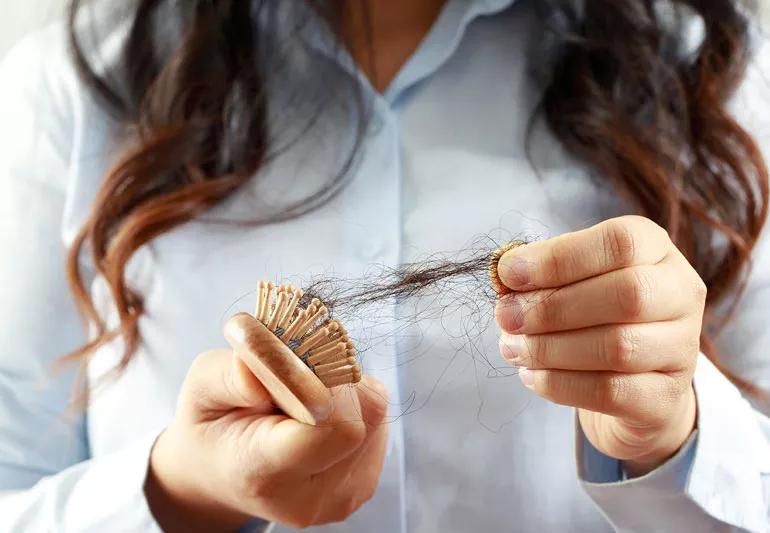
Image content: This image is available to view online.
View image online (https://assets.clevelandclinic.org/transform/9aa84433-ddff-48a0-9366-cacf9709a4b1/lowIronHairLoss-1325263595-770x533-1_jpg)
woman with hair loss hair in brush
We’re not all “Popeye,” eating cans of spinach each day to stay strong.
Advertisement
Cleveland Clinic is a non-profit academic medical center. Advertising on our site helps support our mission. We do not endorse non-Cleveland Clinic products or services. Policy
But making sure we have a healthy amount of iron in our diet is important. The mineral can help prevent anemia and boost resistance to infection.
And when it comes to our hair, iron plays a vital role.
“Iron is really important for hair growth and hair health,” says dermatologist Melissa Piliang, MD. “When we see patients who are experiencing hair loss, we often perform labs to screen for iron deficiency. It’s not uncommon for us to find iron to be low in women.”
Dr. Piliang shares who might be at risk for low iron and how to treat hair loss.
Yes. Iron helps your body produce hemoglobin, a protein in your red blood cells. It carries oxygen to your body’s cells, helping them grow and repair. This includes your body’s cells that help with hair growth.
“Many women are low in iron,” notes Dr. Piliang. “Hair shedding may be the first sign that patients notice.”
Certain individuals are more likely to experience iron-related hair loss.
Iron is especially vital for women of child-bearing age who have monthly periods and who may or may not get a lot of iron in their diet.
“Many women avoid red meat, which is our best source of iron,” says Dr. Piliang. “If you’re a meat eater, the best way to address this problem is to get two 4-ounce portions of red meat per week. This small amount should be enough to maintain healthy levels of iron for most women.”
Advertisement
Those who are vegetarian or vegan may want to focus on including foods that are good sources of iron.
“If you’re a vegetarian or vegan, you can eat beans, spinach and other dark leafy green vegetables as sources of iron,” suggests Dr. Piliang. “However, plant-derived iron is not absorbed as completely.”
Dr. Piliang recommends making sure your diet includes foods high in vitamin C, as they can help your body absorb iron completely.
Heavy exercise like running or high-impact aerobic exercise can cause small tears in your joints or the lining of your stomach.
“These small tears leak a little blood,” says Dr. Piliang. “Over time and with regular exercise, this can lead to loss of iron and eventually anemia.”
Yes. Most hair loss due to an iron deficiency can be reversed.
If you’ve been experiencing hair loss and think it may be due to an iron deficiency, Dr. Piliang recommends talking to your doctor. A blood test can determine if you have low levels of iron.
In addition to taking supplements and changing your diet, you may want to use a product like minoxidil that helps hair grow back.
“Eating a healthy diet with adequate iron-rich foods or taking an iron supplement can correct the deficiency and lead to hair regrowth,” explains Dr. Piliang.
Get more iron in your diet by adding supplements or changing your eating habits.
Iron supplements commonly cause constipation, so slow-release supplements are preferred. It’s important to talk to your doctor first, before taking iron supplements, though.
“Taking iron with vitamin C, as is found in citrus fruits (like lemons and limes) or some combination of supplements, increases the stomach’s absorption of iron,” says Dr. Piliang.
Eating a well-balanced diet can help ensure you get the recommended amount of iron each day. Reach for iron-rich foods like spinach, broccoli, peas, tofu and iron-rich meats like beef and lamb.
You also want to incorporate foods that are high in vitamin C. Think oranges, strawberries and tomatoes.
“Vitamin C helps your body absorb the iron you consume in food or supplements,” says Dr. Piliang. “To get the most bang for your buck, eat vitamin C-rich foods with your iron-rich foods or supplement.”
Overall, if you notice more hair in your shower drain, it may be time to talk to your doctor. If you have an iron deficiency, your doctor will discuss the best path forward and offer ways to help stop your hair loss.
“Many things can cause hair loss,” notes Dr. Piliang. “If you’re experiencing increased hair shedding, see your dermatologist so they can help determine the best treatment plan for you.”
Advertisement

Sign up for our Health Essentials emails for expert guidance on nutrition, fitness, sleep, skin care and more.
Learn more about our editorial process.
Advertisement
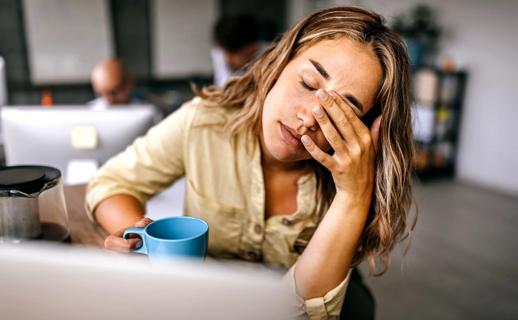
Symptoms like constant fatigue, shortness of breath and chills could all be signs of low iron
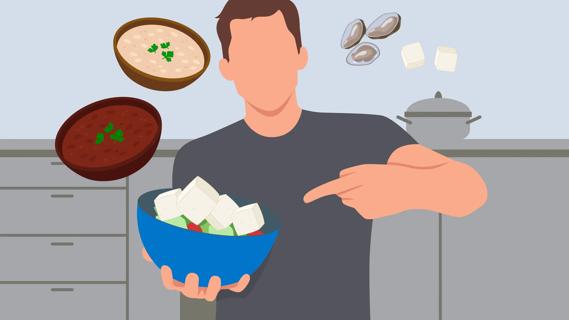
The benefits of iron span your whole body, from your blood and your brain to your immune system and more
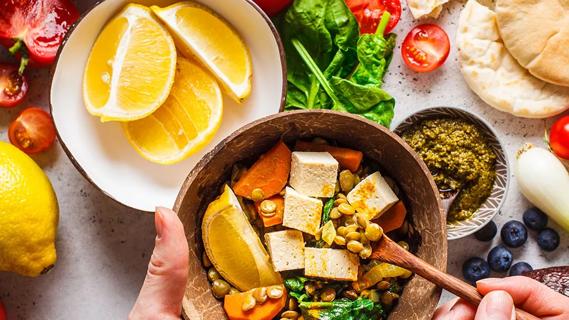
This pairing has long been thought to help your body better absorb iron
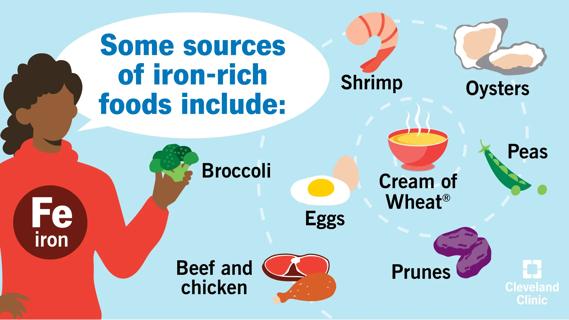
Pump up your iron intake with foods like tuna, tofu and turkey
Different teas offer different health benefits — but they all bring something to the table
Choosing certain kinds of fish to eat can help keep the mercury to a minimum in your meal
Both are healthy choices, but wild-caught salmon offers a few more benefits
High-FODMAP foods contain specific carbohydrates that may irritate your GI tract if you have IBS, SIBO or other digestive disorders
This vibrant purple yam offers vitamin C, fiber and antioxidants in every bite

A fresh water rinse before and after swimming can go a long way
Both are healthy choices, but wild-caught salmon offers a few more benefits











