Locations:





From your head to your heart, shrimp can provide some solid benefits
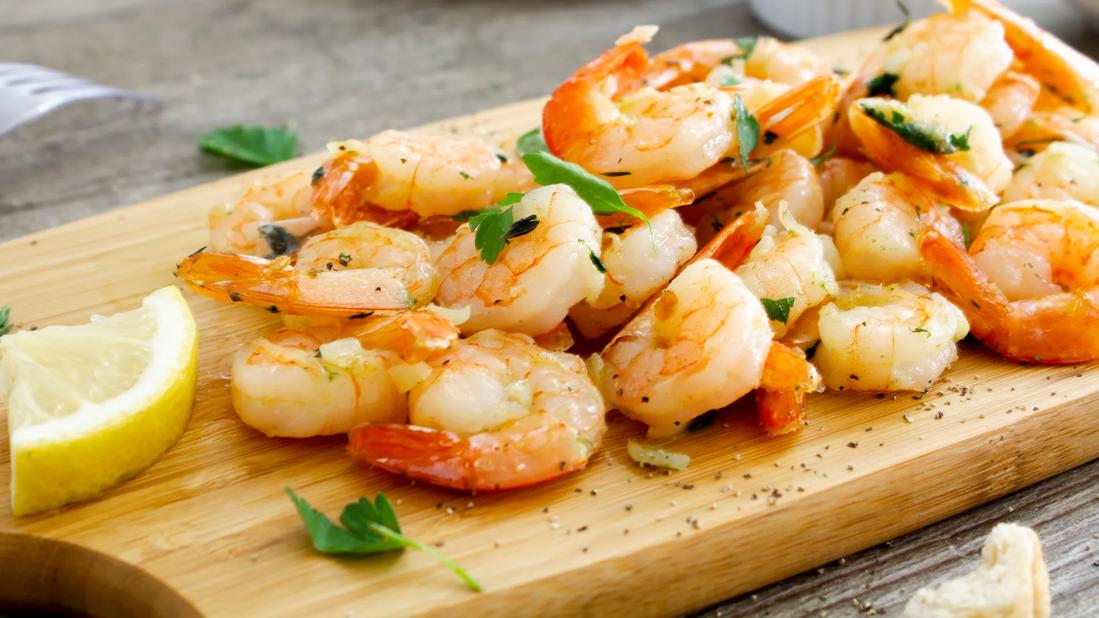
Image content: This image is available to view online.
View image online (https://assets.clevelandclinic.org/transform/71792d20-8c0e-404d-b540-d6d0a349f025/grilled-shrimp-1297119261)
Grilled shrimp with lemon garnish on serving board
Shrimp has long been considered a decadent dish — but is it good for you? And how often should you have it, especially if it’s high in cholesterol?
Advertisement
Cleveland Clinic is a non-profit academic medical center. Advertising on our site helps support our mission. We do not endorse non-Cleveland Clinic products or services. Policy
Registered dietitian Natalie Crtalic-Lowther, RD, LD, shares the nutritional facts about shrimp and why it might earn a spot on your plate.
Shrimp is surprisingly nutritious and healthy when consumed in moderation as part of a well-balanced diet. Crtalic-Lowther recommends aiming for a portion of 3 to 4 ounces at a time.
A 100-gram (3.5-ounce) serving of cooked shrimp has:
It’s also a good source of these nutrients, with:
One of the main reasons people avoid shrimp is that it’s high in cholesterol. But Crtalic-Lowther says that’s not something to be worried about as long as you’re eating shrimp in moderation.
“Although shrimp is high in dietary cholesterol, studies have shown it doesn’t always have the largest effect on blood cholesterol for a majority of the population,” she shares. “Shrimp is low in saturated fat, and saturated fats are the biggest drivers of rising cholesterol.”
“Shrimp is a lean protein, which makes it a low-calorie option,” says Crtalic-Lowther. “Fish or shellfish twice a week offers a range of benefits.”
Advertisement
Here’s what shrimp brings to the table.
Like some fish, shrimp is a great source of omega-3 fatty acids. These unsaturated fatty acids help reinforce eye health and brain function — but they also positively impact heart health. Omega-3 fatty acids can help reduce plaque buildup in your arteries and lower your risk for heart disease.
Plus, shrimp is a good source of phosphorus and potassium. Both help regulate blood pressure and keep arteries clear.
Shrimp contains astaxanthin, a powerful antioxidant that gives it its reddish-orange color. Stronger than beta-carotene or vitamin C, astaxanthin helps protect brain cells from damage. It’s also being studied for its role in preventing neurological diseases like dementia.
Shrimp is also a good source of vitamin B12, which may help maintain or strengthen your:
The antioxidants and anti-inflammatory compounds in shrimp also help your immune system work its best. That makes them a great addition to any anti-inflammatory diet.
Shrimp also contains:
“Copper helps your body absorb iron,” explains Crtalic-Lowther. “We need iron to create hemoglobin so red blood cells can carry oxygen.”
But shrimp isn’t without risks. Here’s what you need to know and why you may want to avoid shrimp in certain scenarios.
Shrimp is high in purines, which your body converts to uric acid — a common trigger for gout.
“If you have gout, be mindful of how much shrimp you eat and how often,” cautions Crtalic-Lowther. “Talk with your healthcare provider first before eating it.”
Shrimp is one of the most common food allergies. You should avoid shrimp if you know you’re allergic to it or experience symptoms like:
If you’re interested in putting shrimp on the table because of its many benefits, there are a few things to consider.
When choosing shrimp:
Crtalic-Lowther recommends grilling shrimp or breading it and air-frying to get the most benefit. Deep-frying shrimp can add more saturated fat and calories to the mix, which may not be great for everyone.
Overall, shrimp is a great addition to any meal, just keep an eye on how much and how often you have it.
Advertisement
Advertisement

Sign up for our Health Essentials emails for expert guidance on nutrition, fitness, sleep, skin care and more.
Learn more about our editorial process.
Advertisement

From sauerkraut to kimchi, these foods can help keep your gut healthy

This East Asian and subtropical fruit is packed with delicious nutrition
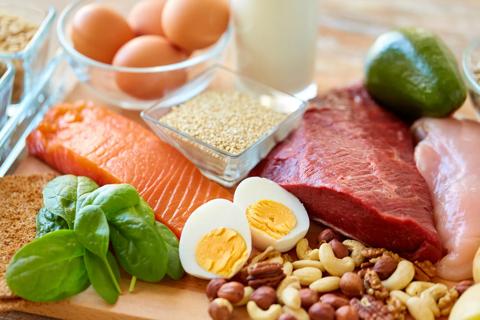
Lean meats, fish, dairy and plant proteins can help you meet your protein needs without piling on saturated fat and sugar

Choosing snacks with protein can help curb hunger, support muscle health and keep your energy steady between meals
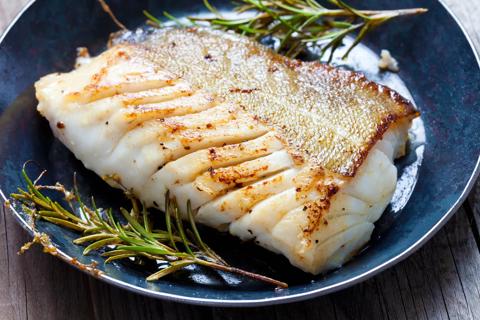
Fish packs plenty of protein, heart-healthy fats and other body-boosting nutrients into every bite

Both are healthy choices, but wild-caught salmon offers a few more benefits
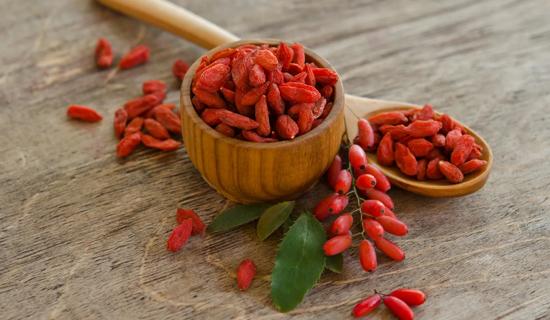
These bright berries are packed with nutrients and antioxidants that may support your eyes, immune system and overall well-being

The general rule is 1.2 to 1.6 grams of protein per kilogram of body weight — but that may not be exactly right for you

Managing your weight through physical activity may lower your chances of getting this common cancer

It typically starts in October and winds down in early spring, with cases at their highest in the middle of winter

Anxiety disorders, health conditions and past trauma can make driving nerve-wracking — help is available
 Search










