Locations:





Dandruff, allergic reactions and lice can get you scratching your head
Cartoons tell us that scratching your head means you’re thinking really hard and about to hatch a brilliant plan. But in real life, an itchy scalp is more likely to leave you with questions — like what’s making you itch and how can you make it stop?
Advertisement
Cleveland Clinic is a non-profit academic medical center. Advertising on our site helps support our mission. We do not endorse non-Cleveland Clinic products or services. Policy
Dermatologist Melissa Piliang, MD, explains common causes and treatments for an itchy scalp.
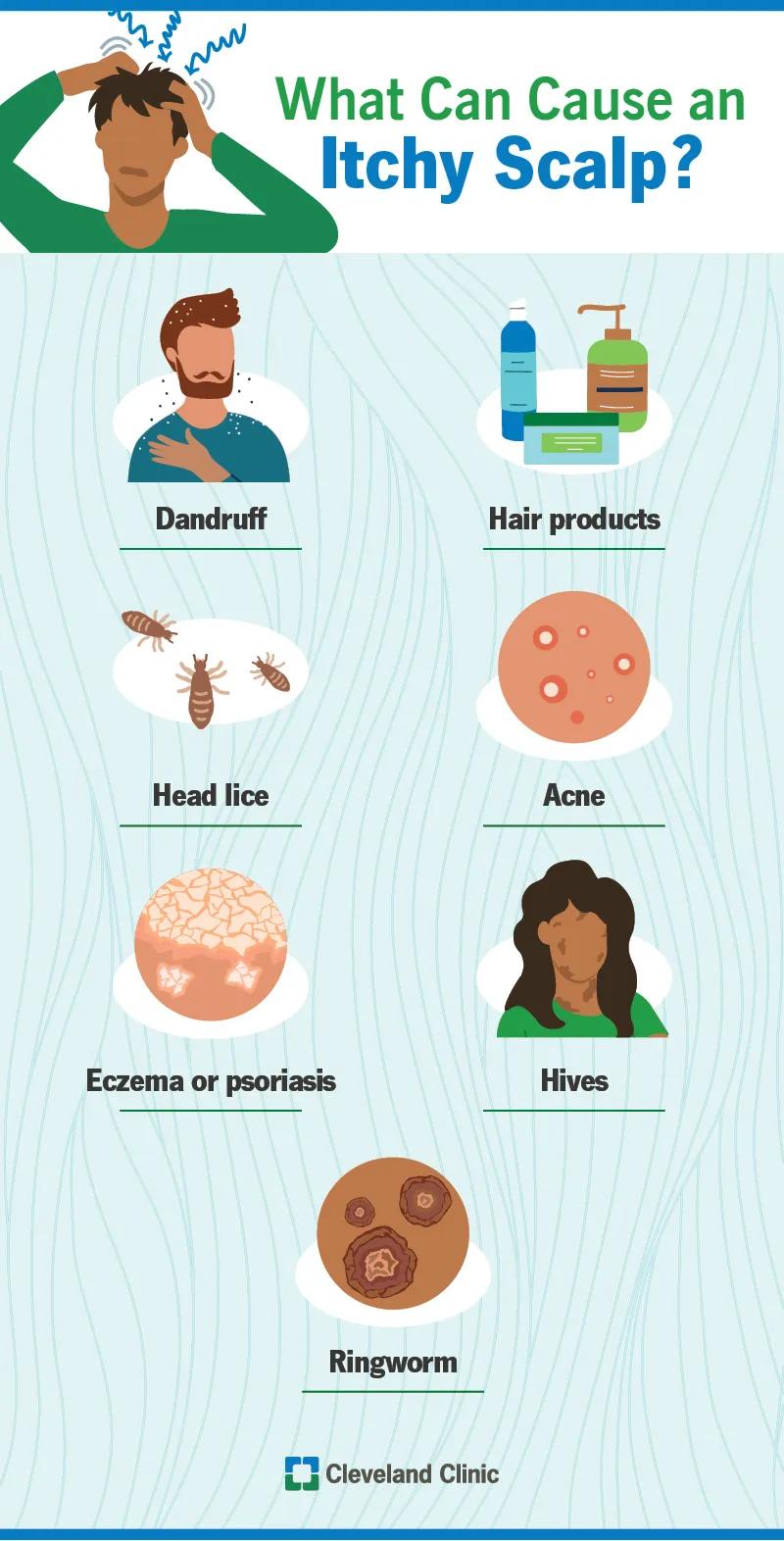
Image content: This image is available to view online.
View image online (https://assets.clevelandclinic.org/transform/a864b83d-1f42-4c5b-a98f-25d671547be9/ItchyScalp-infographic-800x1574)
Unfortunately, there’s no single reason why your scalp is so itchy. But there are some common suspects. In many cases, other symptoms — like flakes, bumps, rash or hair loss — can help narrow down the cause.
Dr. Piliang outlines some of the most likely reasons for an itchy scalp.
Advertisement
The best treatment for an itchy scalp depends on what’s causing it. That’s why getting the right diagnosis matters.
Some common treatment options include:
While it may be tempting to try internet remedies, proceed with caution. Home treatments aren’t always effective and can sometimes make the problem worse.
Most itchy scalps aren’t dangerous, but that doesn’t mean you should ignore persistent symptoms.
It’s a good idea to see a dermatologist if your itchy scalp isn’t improving, keeps coming back, or is accompanied by hair loss, rash or pain. They can help identify the cause of your symptoms and recommend the safest, most effective treatment plan.
Advertisement

Sign up for our Health Essentials emails for expert guidance on nutrition, fitness, sleep, skin care and more.
Learn more about our editorial process.
Advertisement
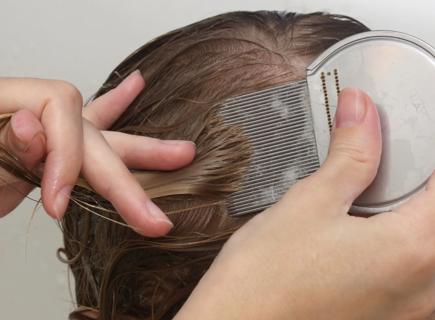
Lice don’t jump — but they can spread with direct head contact
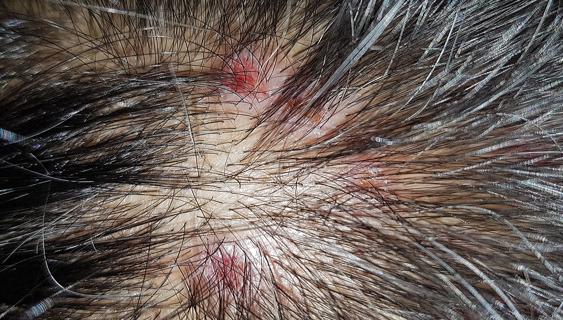
Injury, itching, inflammation and irritants can all lead to scabs on your scalp
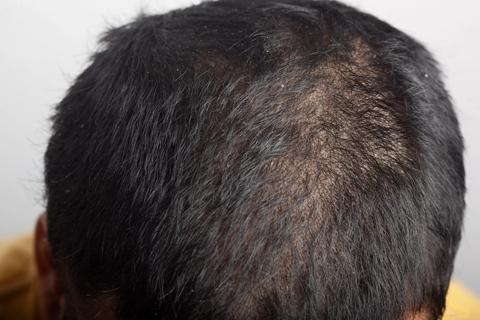
Calm an itchy scalp by using medicated shampoo, avoiding blow-drying and resisting the urge to scratch
The short answer from a dermatologist

A drizzle of olive oil may help your hair feel softer, shinier and less frizzy

Excessive exposure to saltwater can dehydrate skin and hair, despite having a few benefits

A fresh water rinse before and after swimming can go a long way
The sooner you address hair loss, the better your chances of preserving — and even regrowing — it

Hormonal changes, a slower metabolism and muscle loss can make weight gain more common around menopause — healthy habits can help you manage it

Life-threatening complications include sepsis, stroke, pneumonia and more
Fruity-smelling breath can happen when your body burns fat for energy, and in some cases, can signal a medical emergency
 Search










