Locations:





Jogging can improve your endurance, boost your mood and burn more calories than some other aerobic exercises

Image content: This image is available to view online.
View image online (https://assets.clevelandclinic.org/transform/3d331791-e4a5-4ec7-906a-e56773ad7b7d/couple-jogging-1440409323)
Two people jogging outside on a paved path
Walking and running share a number of benefits — but what about that sweet middle ground between the two?
Advertisement
Cleveland Clinic is a non-profit academic medical center. Advertising on our site helps support our mission. We do not endorse non-Cleveland Clinic products or services. Policy
“Jogging is about creating a steady pace,” says sports and exercise medicine specialist Leonardo Oliveira, MD. “Instead of focusing on speed, you’re focused more on endurance with good, quality steps.”
Before your next jaunt, Dr. Oliveira shares the many benefits of jogging and how it can help improve your overall health and wellness.
Unlike running, where you’re focused on targeting different heart rate zones, jogging involves keeping a more stable and persistent pace. If you’re jogging at a moderate intensity, for example, your target heart rate will usually fall into zone 2, at 60% to 70% of your max heart rate.
“When you’re jogging, you should be able to carry on a conversation as you breathe through your nose,” says Dr. Oliveira. “If you’re doing just 15 minutes of jogging three times a week, you’re already going to notice the benefits.”
Here’s how you can benefit from jogging.
Jogging, like other exercises, can help decrease your stress levels. As an aerobic exercise, it helps release endorphins, which can boost your mood and create feelings of euphoria or satisfaction. Not only does it provide an outlet for pent-up energy, but jogging outside also allows you to spend more time in nature, which provides even more mental health benefits.
Advertisement
“Research shows exercise can be as effective as medication when treating depression because of its wide-ranging benefits,” says Dr. Oliveira.
Jogging is a full-body exercise that offers a higher calorie burn than some other aerobic exercises. According to the widely used Compendium of Physical Activities, jogging burns about 7.5 calories per kilogram of body weight each hour. That means you can burn about:
“Jogging will burn more calories in a shorter period of time than cycling, especially if you’re not used to exercising,” reports Dr. Oliveira.
Insulin resistance is one of the biggest barriers to having a healthy metabolism. Insulin helps your body break down glucose for energy. But if your body can’t do that, your metabolism slows down, leading to:
“Exercising at higher intensities helps increase metabolism and insulin resistance,” says Dr. Oliveira. “But researchers have also found that even lower-intensity exercises, like jogging, for longer periods of time can have the same effect.”
Jogging also has positive impacts on your heart and its ability to pump blood to the rest of your body. That’s because it contributes to hypertrophy, or the strengthening of your heart’s muscle tissues.
“As you develop endurance, the amount of blood in one pump increases,” explains Dr. Oliveira. “When your heart gets stronger, it contracts more efficiently, which decreases your resting heart rate.”
The more you work on building endurance and stamina, the more likely it is that you’ll improve your overall ability to breathe — both at rest and while jogging.
“Consistent aerobic exercise helps your lungs get stronger and more efficient,” says Dr. Oliveira. “Over time, you won’t need to breathe as often because each breath brings in more oxygen than before.”
Jogging activates major muscle groups, including your:
“Strength training is a good complement to jogging because it can help strengthen all the areas of your body,” says Dr. Oliveira. “This can help you handle longer distances.”
“Jogging is one of those activities where once you get going, you start to feel better,” notes Dr. Oliveira. “It’s an exercise that helps warm up your muscles and lubricate your joints, which can help with the overall sense of stiffness that comes with age.”
That said, jogging is still a high-impact exercise because it forces you to bear down weight as your feet hit the pavement. Consider working with a physical therapist or athletic trainer to reduce the risk of further injury if you:
Advertisement
“The more you jog, the more you’ll increase your functional aerobic capacity,” says Dr. Oliveira. “Someone who jogs regularly will have better physical fitness that will help them last longer on a bike or a walk than someone who’s just getting started.”
Your ability to breathe and move also extends to other daily activities that demand cardiovascular strength and endurance, like climbing stairs.
Research shows that any amount of jogging — even just once a week — can improve your quality of life and lower your risk of dying from cancer and cardiovascular-related issues.
“Jogging is a great form of exercise, but it’s not the only one,” notes Dr. Oliveira. “The most important thing is to work on being healthy and strong. And for a lot of people, if you’re looking to advance your physical fitness, jogging is a good place to start.”
Advertisement

Sign up for our Health Essentials emails for expert guidance on nutrition, fitness, sleep, skin care and more.
Learn more about our editorial process.
Advertisement

Trail running swaps pavement for dirt, rocks and rugged terrain — stay safe by planning ahead

This flexible ‘speed play’ running workout mixes fast and slow paces to build endurance, boost fitness and keep your routine from getting ... too routine

Improve your speed with interval training, strength training and consistent, healthy habits
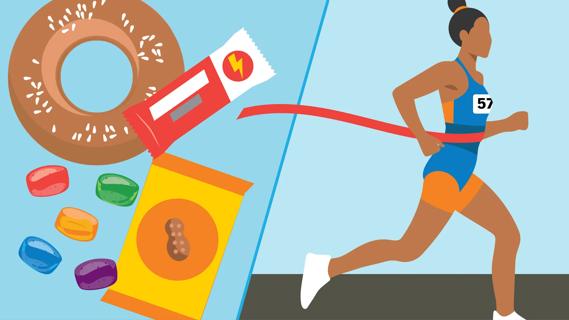
Your diet in the weeks, days and hours ahead of your race can power you to the finish line

Using precautions like bandages and lubricants can help you run away from this uncomfortable condition

Rest may be all you need to get rid of running-related lower back pain

Reducing your pace allows you to log more miles and train your body for the stress of running

Running doesn’t cause knee arthritis, but you can take steps to minimize cartilage damage

Managing your weight through physical activity may lower your chances of getting this common cancer

It typically starts in October and winds down in early spring, with cases at their highest in the middle of winter

Anxiety disorders, health conditions and past trauma can make driving nerve-wracking — help is available
 Search










