Locations:





 Search
Be on the lookout for these symptoms
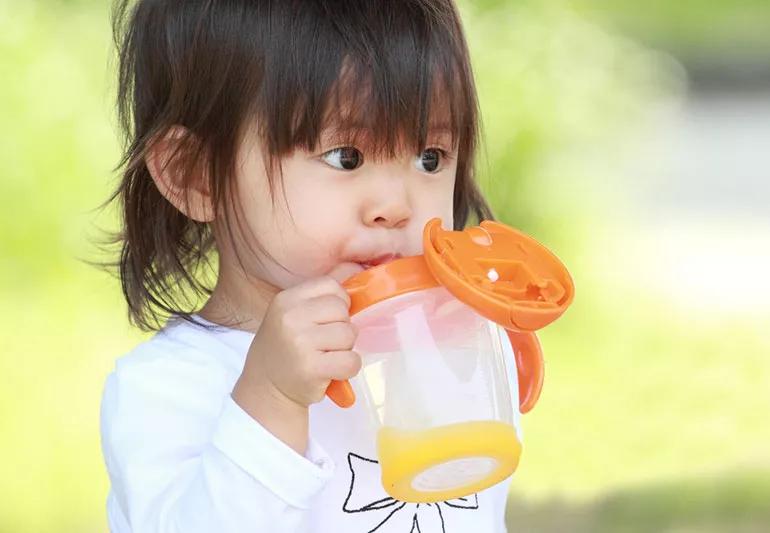
Image content: This image is available to view online.
View image online (https://assets.clevelandclinic.org/transform/2cc1a00f-373f-461d-b22a-11a995679b27/childDrinksWater-531047810-770x533-1_jpg)
child drinking water from sippy cup
We’ve probably all had constipation at least once in our lives and, chances are good that we hated every minute of it. When it comes to your own children, what can you do to help keep your little ones from getting constipated?
Advertisement
Cleveland Clinic is a non-profit academic medical center. Advertising on our site helps support our mission. We do not endorse non-Cleveland Clinic products or services. Policy
Constipation in babies or very young children is a common problem but can be hard to spot, according to pediatric gastroenterologist Mohammad Nasser Kabbany, MD.
“About 1 in 20 pediatrician visits are about constipation,” says Dr. Kabbany. “It often starts when kids are away from home and afraid to use the bathroom.”
Here’s what to watch for:
But how do you prevent constipation in the first place? Dr. Kabbany shares some tips to help parents avoid it in their children:
If your child is potty trained, help them establish a bathroom routine so they can use it regularly. By developing a routine, ideally one that goes along with a regular meal schedule, it’ll signal their bodies to head to the bathroom. Try to have meals at the same time every day so their little bodies will get that internal urge after they eat. Using a footstool during toilet time will also help them evacuate more effectively.
Advertisement
Water is crucial for our bodies to work properly and to get bowels moving along. Alongside eating a balanced diet, make sure your child also drinks plenty of water.
“Sometimes, kids resist drinking water,” says Dr. Kabbany. “Make it fun with a special cup and straw or by flavoring the water with lemon or even a cucumber slice. This can help them drink more of that H2O.”
Don’t cut out milk completely, either. Excessive dairy intake may be a problem, but cutting milk entirely from a child’s diet will not clear up constipation — and it will instead deprive your child of much-needed calcium.
Eating fiber is healthy, but how much fiber is good enough? To figure out how many grams of fiber your child should consume each day, add five to their age (in years). For example, your 2 year old would need 7 grams of fiber. Adults, on the other hand, need about 19 to 38 grams per day depending on age and sex.
“Eating fiber doesn’t have to be boring,” says Dr. Kabbany. “Offer fruits, vegetables and whole grains like prunes, apricots, plums, raisins, peas, beans and broccoli.”
Keep an eye on your child’s intake of constipating foods. Bananas, rice and cheese are the big offenders because they can contribute to constipation in large quantities.
“This doesn’t mean getting rid of these foods completely,” says Dr. Kabbany. “Find out what is causing the issue. Then start decreasing the amount of that food your child eats. It’s all about moderation and eating a healthy diet.”
Get their bowels moving by encouraging movement and physical activity. Movement is good for kids because it not only creates good habits, releases pent up energy and prevents obesity, but it also helps kids’ bowels function. Instead of just telling them to go outside, do some kind of physical activity with them. Run around in the backyard, shoot some hoops together or go for a long walk around the neighborhood. Every little bit counts.
While this could be a frustrating process for both you and your child, know that there’s help available. Talk to your child’s pediatrician for support and other resources available so you, and your child, can take a sigh of relief.
“It’s important to treat constipation sooner than later,” says Dr. Kabbany. “If constipation goes on long enough, your child’s growth and development can even be affected.”
Advertisement

Sign up for our Health Essentials emails for expert guidance on nutrition, fitness, sleep, skin care and more.
Learn more about our editorial process.
Advertisement

Both respiratory illnesses cause coughing, but croup brings a distinctive ‘barking’ sound
Gentle care, like moisturizing, washing and soft brushing, can help clear up cradle cap
Gripe water isn’t regulated by the FDA, and research doesn’t support its use

Jaundice that’s present at birth or lasts more than a week should be evaluated by a pediatrician

When tight neck muscles give your newborn a head tilt, these gentle exercises can go a long way

Crossed eyes in a newborn are fairly common, typically harmless and usually go away
Neonatal opioid withdrawal syndrome, or NOWS, can develop when a fetus is exposed to opioids, nonmedical drugs or even some prescription drugs during pregnancy

Most parents report an improvement in breastfeeding, but there’s a chance the procedure won’t solve the issue

This ‘harm reduction’ approach to sobriety involves subbing one substance for another — a method that isn’t backed by research

Educate your child about body image, expectations and skin care first

A true chlorine allergy is extremely rare — it’s far more likely that you have a damaged skin barrier











