Locations:





When someone guilt trips you, they’re using emotionally manipulative behavior to try to get you to act a certain way

Image content: This image is available to view online.
View image online (https://assets.clevelandclinic.org/transform/c5f42004-f92f-4bc9-beb0-47c6dba8b0cd/guilt-trip-phone-call-2086564730)
Person checking cell phone, with another person on the other end
“Everyone else is coming to my party. Can’t you make it work?”
Advertisement
Cleveland Clinic is a non-profit academic medical center. Advertising on our site helps support our mission. We do not endorse non-Cleveland Clinic products or services. Policy
“I’m really busy this week, and you have a light schedule. You can handle this project without me, right?”
“I wish you’d come visit more often, but maybe I’m just not a priority to you.”
These phrases have one thing in common: They’re the kind of words people use when they’re trying to guilt trip you.
Clinical psychologist Kia-Rai Prewitt, PhD, explains what guilt-tripping is and how to cope when you’re feeling the pressure.
Guilt-tripping is a form of emotionally manipulative behavior that appeals to your sense of responsibility or obligation to try to get you to act a certain way. It’s when someone uses persuasive language to try to convince you to do something they know you don’t want to do.
“Guilt-tripping happens when someone intentionally tries to make you feel guilty for not wanting to do something that they want you to do,” Dr. Prewitt explains.
And importantly, guilt trips often target the fact that you care about the person behind them.
“There’s an emotional piece to it,” she adds. “People often turn to — and get away with — guilt trips because they tap into a relationship you value.”
A guilt trip can sound subtle or be extremely obvious. The other person may use language that expresses disappointment in a decision you’ve made (with the hopes of changing your mind). Maybe they leverage your past actions against you to make you feel bad. They may question how much you care about them.
Advertisement
Here are just a few examples of what that may sound like:
Guilt-tripping isn’t always necessarily intentionally manipulative, Dr. Prewitt notes. Sometimes, people don’t realize how much pressure they’re putting on you. But that doesn’t mean it’s an OK way for them to behave.
“Even if the other person’s intentions aren’t malicious, it’s still inconsiderate,” she states. “They’re trying to get you to do what they want, rather than respecting your boundaries.”
Even when it’s not meant to be hurtful, guilt trips can still make you feel bad. And over time, that pattern of messaging can damage your emotional health and your relationship with the person who’s guilt-tripping you.
You may feel like you have to go along with their request for fear of some sort of negative consequence — like that they’ll be angry with you, retaliate against you or end the relationship. This is especially true if you’re already prone to people-pleasing.
“When you’re being guilt-tripped, you might start feeling like you’re not good enough,” Dr. Prewitt says. “You may notice that you feel anxious every time you interact with that person.”
Eventually, that emotional pressure can chip away at your self-confidence and your trust in your decision-making abilities. You could start to doubt your choices, question your needs and even start avoiding the person entirely — just so you’re not subjected to the way their guilt trips make you feel.
“If someone keeps crossing your boundaries, resentment starts to build over time,” she notes.
Learning to set (and stick to) boundaries can help you respond to guilt trips and send a clear message about what sort of treatment you’re willing to accept from others.
“To prevent resentment from building, you have to learn how to speak up and say no,” Dr. Prewitt encourages. “And importantly, you also have to believe that saying no doesn’t mean you’re doing anything wrong.”
Here’s what she recommends:
Advertisement
If you take all these steps, but someone continues to subject you to guilt-tripping behavior, you may need to reevaluate your relationship with them and take a step back.
“When someone keeps harming you, even after you’ve told them how it makes you feel, it’s appropriate to protect yourself,” Dr. Prewitt advocates.
OK, so … what if you realize that you’re the one doing the guilt-tripping? Dr. Prewitt says self-awareness is the first step.
“Sometimes, we don’t mean to manipulate others or make them feel bad,” she acknowledges. “But if you don’t know how to ask for what you need or want from them, you may default to guilt-tripping.”
The key, she continues, is to be direct about what you’re asking — and to acknowledge, going into the conversation, that you may still get a “no” in response.
Here’s an example: Instead of telling a friend, “You never call me anymore,” try something like, “I’d love to see you this weekend. Does that work for you? And if not, maybe you could suggest a time that does?”
Respecting their response — even if it’s not the one you’d hoped for — helps maintain trust and respect. And that helps prevent resentment from building.
It can be really hard to learn to set firm boundaries and communicate clearly with people who cross them. And that can often be compounded by the fact that guilt trips sometimes come from the people we love most.
Advertisement
“You may think, ‘This person will be upset with me if I don’t do what they want,’ especially when it comes to family members,” Dr. Prewitt notes. “That can make it harder to state your needs — and it can be especially difficult to unlearn habits you’ve been in for a long time.”
Talk therapy, she says, is a great way to get more comfortable with boundary-setting.
“If you have a hard time recognizing your limits or clearly communicating them, a therapist can help,” Dr. Prewitt says. “A lot of people seek therapy to address how to set healthy boundaries in their relationships.”
Advertisement

Sign up for our Health Essentials emails for expert guidance on nutrition, fitness, sleep, skin care and more.
Learn more about our editorial process.
Advertisement

Someone repeatedly pretending not to know how to do something can create an unhealthy imbalance in your relationship

Counseling can improve communication, rebuild trust and help you work through challenges together

You might be in an unhealthy one if it’s taking up your time, energy and focus

Communicating clear limits helps protect your time, energy and emotional well-being

Being hooked on love can cause unhealthy relationship patterns and obsessive thoughts
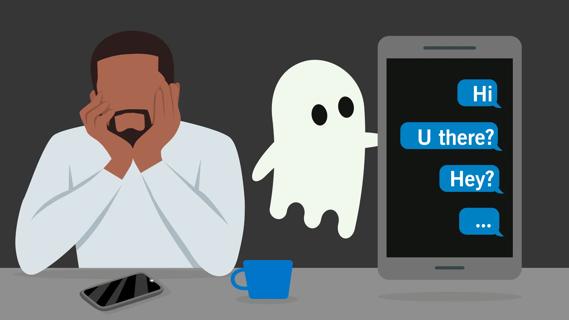
This behavior is usually a sign that the other person doesn’t know how to handle conflict or is prone to being passive-aggressive

It can be harder to let go when you’ve invested time, energy and emotions — but it might be the healthier choice long term

Attachment theory suggests that your earliest relationships shape connections throughout your life

Managing your weight through physical activity may lower your chances of getting this common cancer

It typically starts in October and winds down in early spring, with cases at their highest in the middle of winter

Anxiety disorders, health conditions and past trauma can make driving nerve-wracking — help is available
 Search










