Locations:





The steroid medication may raise your blood pressure and cause heart palpitations
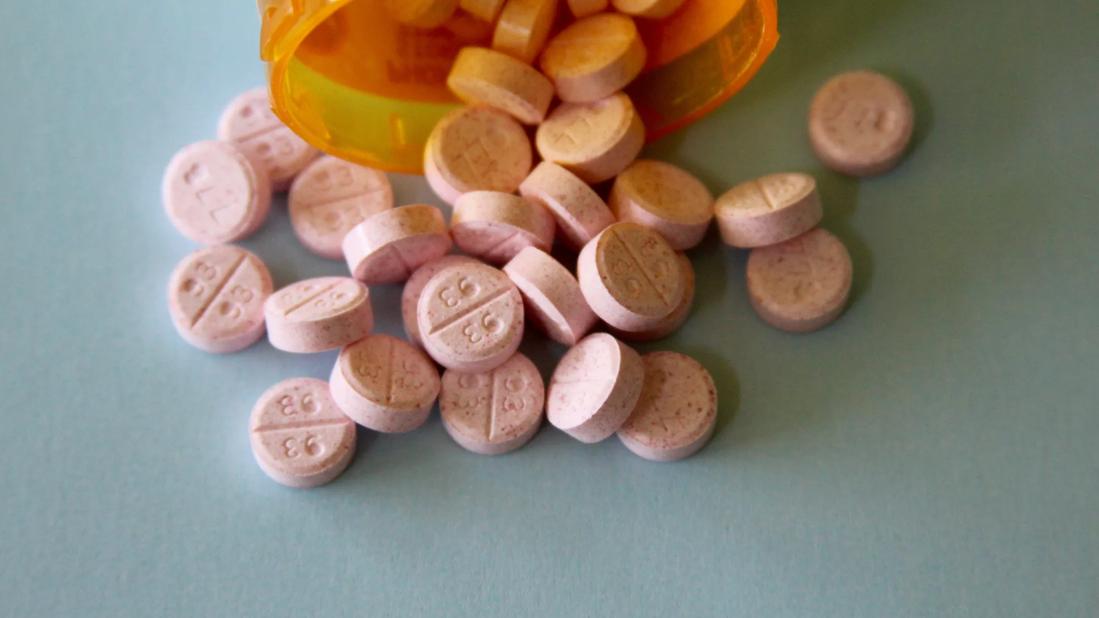
Image content: This image is available to view online.
View image online (https://assets.clevelandclinic.org/transform/1338dd59-da8e-4b95-8d11-6d4ad2dd57f5/prednisone-pills-542700840)
Bottle of medication on its side, with pills lying scattered on the table
If you have a condition like asthma, arthritis or inflammatory bowel disease (IBD), your doctor may prescribe corticosteroids, such as prednisone. Corticosteroids are a class of medications that includes a wide range of generic and brand-name drugs. They’re used to reduce inflammation and regulate an overactive immune system.
Advertisement
Cleveland Clinic is a non-profit academic medical center. Advertising on our site helps support our mission. We do not endorse non-Cleveland Clinic products or services. Policy
But in some cases, corticosteroids can also affect your heart rate and rhythm.
Interventional cardiologist David Zidar, MD, PhD, explains how to stop heart palpitations from prednisone.
Prednisone and other corticosteroids can cause a range of heart issues, from heart palpitations to high blood pressure. Dr. Zidar outlines how these medications can impact your heart.
Prednisone may cause an imbalance of key electrolytes, like potassium, calcium, sodium and magnesium. When electrolyte levels rise or fall, your heart rate may slow down (bradycardia) or speed up (tachycardia).
“Heart palpitations are a relatively broad symptom. For example, sometimes it can come from arrhythmias, where the heart beats faster,” explains Dr. Zidar. “Palpitations can also feel like an extra heartbeat or like your heart is beating harder.”
Symptoms of both bradycardia and tachycardia can include heart palpitations. This can feel like your heart is:
An electrolyte imbalance from prednisone can also affect how you retain water and sodium, leading to a higher amount of fluids circulating in your body.
“These things can raise your blood pressure and can increase the feeling of pressure inside your heart,” explains Dr. Zidar.
Advertisement
Prednisone is more likely to cause high blood pressure if you’re taking the medication for a longer period of time or on a higher dose.
Certain heart conditions can increase the risk of side effects like heart palpitations from prednisone. So, it’s important to let your healthcare provider know if you have any existing heart conditions, such as heart disease and high blood pressure.
“In general, most healthcare providers are comfortable when a patient with a heart condition is prescribed prednisone, but it’s important to know the medication can have a wide range of impacts,” Dr. Zidar clarifies.
Prednisone may amplify some symptoms, like shortness of breath or chest pain, that you may already experience on a day-to-day basis
Heart palpitations can feel scary. But there are steps you can take to help reduce or stop them while taking prednisone.
In most cases, you should be able to manage any heart-related side effects, like heart palpitations, at home or under the guidance of your doctor.
But Dr. Zidar adds that it’s a good idea to seek emergency care if you:
It’s important to know how taking a medication like prednisone can affect your heart.
“There’s a constellation of symptoms that prednisone can cause, so it’s important to be aware of how you’re feeling,” advises Dr. Zidar. “Make sure you’re in touch with your doctor if you feel as though these symptoms are beginning to overwhelm you.”
You and your doctor can have a discussion about whether prednisone is right for you.
“Even though the side effects of prednisone can be very bothersome to many people, there is often a necessary reason to be on it,” he concedes. “Your doctor can work with you to manage side effects.”
Advertisement

Sign up for our Health Essentials emails for expert guidance on nutrition, fitness, sleep, skin care and more.
Learn more about our editorial process.
Advertisement
Lower your risk by sticking to the right dose and avoiding long-term use without medical guidance
The little blue pill might help with physical arousal, but there are better treatments for low libido in women
Authorized take-back programs, services and drop-off locations are the best, safest way to get rid of expired medicine
Popular among teens, these inhalants give you a quick high, with serious harmful effects

These similar versions of brand-name drugs are safe, effective and often less expensive
Though these painkillers work in different ways, they can both help reduce a fever and pain

Drugmakers put a lot of effort and resources into finding the right name for generic and brand medications

You can alternate these OTCs to help with pain management and fever reduction

Managing your weight through physical activity may lower your chances of getting this common cancer

It typically starts in October and winds down in early spring, with cases at their highest in the middle of winter

Anxiety disorders, health conditions and past trauma can make driving nerve-wracking — help is available
 Search










