Locations:





 Search
Primal movement exercises are based on moves our ancestors used in daily life, like lunging, twisting and bending
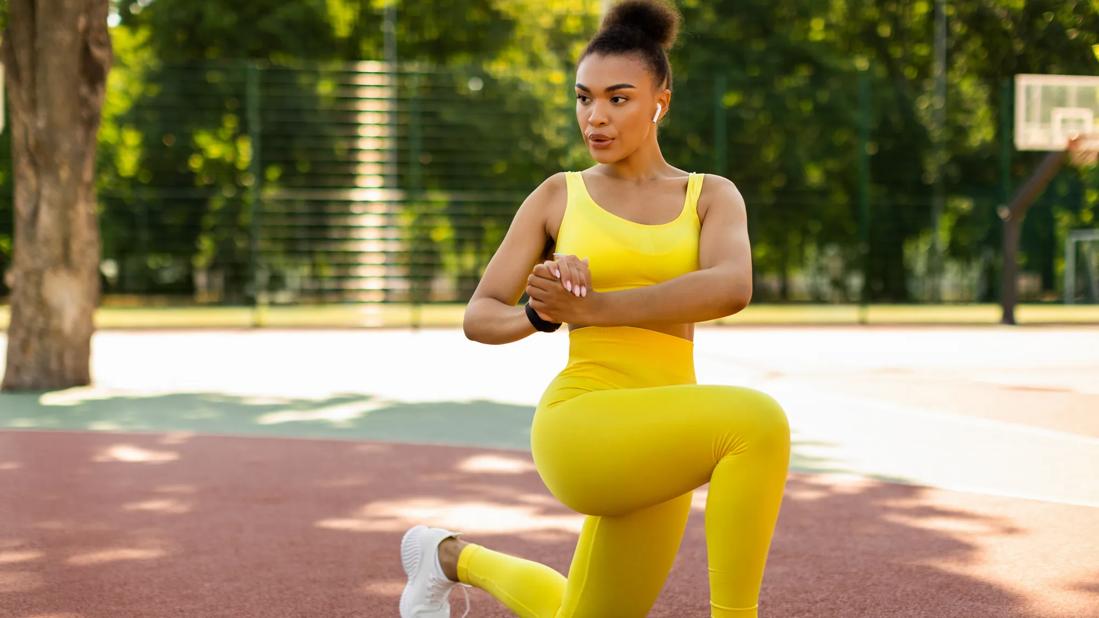
If you follow exercise trends, there’s a good chance you’ve heard of primal movement workouts. But what is this workout, and should you try it? Sports medicine physician Evan Peck, MD, explains what primal movements are and their fitness benefits.
Advertisement
Cleveland Clinic is a non-profit academic medical center. Advertising on our site helps support our mission. We do not endorse non-Cleveland Clinic products or services. Policy
Primal movement exercises are based on activities that are … well, primal. In other words, these are movements the human body was designed to do for survival.
“Humans have naturally done their own primal movement ‘workout’ for thousands of years,” says Dr. Peck. “Primal movements include things like squatting, pulling, twisting and walking. Historically, humans used these movements to hunt, gather and do other essential tasks.”
For example, squatting to pick herbs from the ground was necessary in pre-grocery store days. Early humans also used skills like twisting, pushing and pulling to quickly get up off the ground during hunting (or when being hunted).
In our modern world, we don’t need these skills as much as we used to.
“Many people have jobs that don’t require walking, bending, pulling and twisting,” he continues. “Because we have furniture, we don’t have to get up from the floor that often. Vehicles get us where we want to go. We use our primal movements less, so our bodies can lose the ability to easily do these movements.”
These seven types of movements are widely known as the primal movements:
Advertisement
Each of these activities is a compound movement, which means you use multiple muscle groups to do them. For example, lunges activate your core and leg muscles such as your quadriceps and hamstrings.
“Compound, multijoint exercises translate best to everyday life and should probably be emphasized in most people’s strength training programs,” says Dr. Peck.
Primal movements are different from weightlifting exercises that isolate and strengthen a single muscle group at a time. “But that doesn’t make primal movements better or worse than single-joint exercises,” he adds. Because single-joint exercises have benefits as well, including emphasizing a weak, injured or injury-prone muscle group.
Primal movements may appeal to beginners because they don’t require special equipment. But these moves can benefit people of all ages and fitness levels.
“Everyone should be doing compound movements as part of their workout routine,” recommends Dr. Peck. “These movements can increase your strength, flexibility, balance and muscular endurance to make daily tasks easier.”
If you work out regularly, you might already be doing some of these moves.
“You probably see people doing most of these exercises at the gym,” he continues. “That’s because primal movements aren’t new and are an effective way to build muscular endurance, which allows your muscles to work for longer periods of time.”
Like any exercise routine, primal movements aren’t one-size-fits-all: “A challenging routine looks slightly different for everyone,” he notes. “Beginners may use gravity and their body weight for resistance. As you get stronger, you may need to add hand weights to the routine.”
You should also pay close attention to your form, as you can get injured from doing primal movement exercises incorrectly.
“For example, utilizing an excessive range of motion during a lunge can injure your knees,” cautions Dr. Peck. “It’s best to work with a sports medicine physician, physical therapist or personal trainer to be sure you’re doing these moves correctly.”
Primal movement is one way to improve your fitness, but it’s not a complete workout program on its own. Most people should also incorporate strength training to build muscle.
“Your program should include a few reps with heavier weight for proper strength training,” advises Dr. Peck. “This type of training engages deeper fibers in your muscles that lose strength as we age.”
“Your program should include a few sets with heavier weight for proper strength training,” he adds. “This type of training engages certain strong-and-fast fibers in your muscles that we tend to lose a lot of as we age.”
Advertisement
These muscle fibers (known as type 2B fast-twitch fibers) are crucial for short, intense movements. They contract quickly and can handle a lot of force. If you stumble, for instance, fast-twitch fibers engage to support your body weight and keep you from falling.
Most primal movement workouts, on the other hand, tend to focus on different muscle fibers. They are:
“This isn’t a bad thing because you need those type 2A and type 1 fibers, too,” says Dr. Peck. “But if you’re not doing any strength training that’s more intense — and by intense, I mean heavy, perhaps above 80% of your estimated one-repetition maximum — you’re not engaging the type 2B fibers that help you stay strong.”
But strength training doesn’t have to be extreme to be effective. A weight that’s hard to lift more than five times in a row with correct form is probably the heaviest weight that most people need to use.
“Moderately heavy weights lifted with great technique consistently over a long period tend to pay tremendous physical dividends,” he says. “Most people can still get strong without needing to ‘max out’ or lift the most weight possible on a regular basis.”
Advertisement
And don’t worry if you don’t work up a sweat while training.
“Many people assume that a workout is only effective if they get sweaty and out of breath,” notes Dr. Peck. “But subjective feelings of being tired or feeling like you gave great effort, while valuable, aren’t always a reliable measure of your results — particularly with strength training.”
Finally, forget the old “no pain, no gain” adage. “You shouldn’t feel like jelly after strength training or a primal movement workout, and it shouldn’t hurt,” he stresses.
Primal movement workouts are generally safe for most people to try. Still, it’s wise to consult an expert before jumping in, especially if you have health concerns.
“If you have any chronic conditions or a previous injury, talk with your physician before beginning a new exercise program,” advises Dr. Peck. “They can help you find a routine that’s safe and effective for you.”
Advertisement

Sign up for our Health Essentials emails for expert guidance on nutrition, fitness, sleep, skin care and more.
Learn more about our editorial process.
Advertisement

Squats are foundational for building strength in your legs, glutes, quads and core muscles

A consistent walking program is an effective way to drop pounds and lose body fat
You can improve your athletic performance over time by breaking up your workout regimen into focused cycles
Lower-intensity workouts can deliver high-quality health and fitness results
Incremental changes in your exercise routine can improve your strength and endurance over time

Understanding heart rate zones can help you tailor your workout to reach your goals
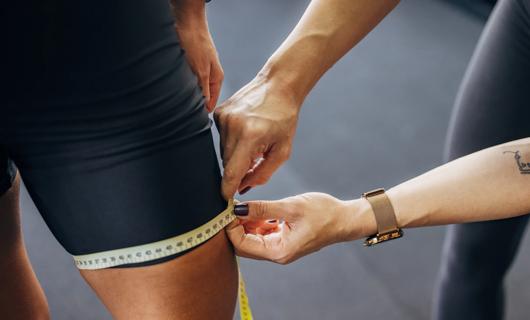
Increase the size of your muscles by bulking up on protein and focusing on slow, intense movements with progressive overloading
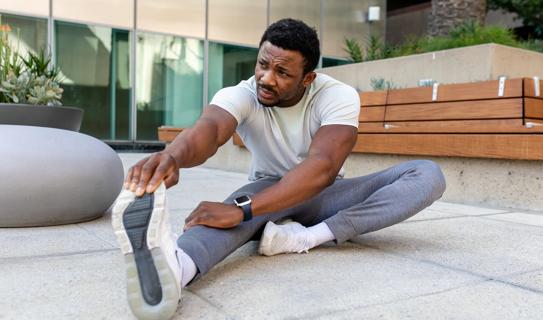
Low-impact exercises help you recover faster between sets, during cool downs and on rest days

Even small moments of time outdoors can help reduce stress, boost mood and restore a sense of calm

A correct prescription helps your eyes see clearly — but as natural changes occur, you may need stronger or different eyeglasses

Both are medical emergencies, but they are very distinct events with different causes











