Locations:





 Search
Discover which leafy green is better for your body
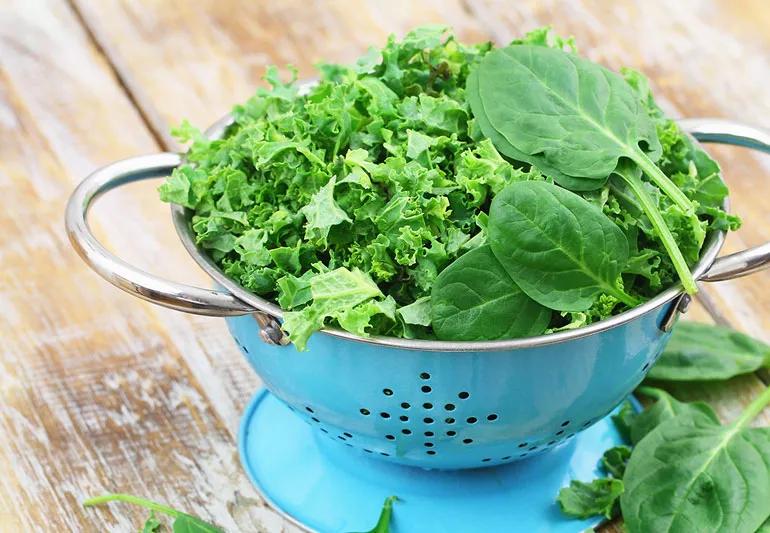
Image content: This image is available to view online.
View image online (https://assets.clevelandclinic.org/transform/07033a14-39ed-4283-afbb-5ba513fb7fec/spinachKale-1137786369-770x553-1_jpg)
cleaning spinach and kale
It’s the battle of the greens and the ultimate faceoff is spinach versus kale. Health aficionados can’t get enough of kale and its signature dark green color, but where does it stack up against its opponent spinach?
Advertisement
Cleveland Clinic is a non-profit academic medical center. Advertising on our site helps support our mission. We do not endorse non-Cleveland Clinic products or services. Policy
Kale and spinach — both “super veggies” — are packed with nutrients because they’re leafy greens, says preventive cardiology dietitian Kate Patton, MEd, RD, CSSD, LD.
From nutrients to health benefits, she helps unfold everything you need to know about this powerful duo and tips for working these leafy greens into your diet.
Kale and spinach are both super veggies loaded with nutrients, but which leafy green should rule when it comes to heart health?
The truth is that both spinach and kale are heart-healthy and are great choices.
“Leafy greens are so good for you that you really can’t eat too many,” says Patton. “In fact, they’re considered heart-healthy superfoods.”
Spinach is not only great for your heart, but it helps boosts eye health, helps reduce blood pressure levels and it helps prevent cancer. Not only that, but it boasts more fiber, protein and vitamin A than kale and is also higher in calcium and iron.
On the other hand, kale crushes spinach when it comes to vitamins K and C, plus it’s also lower in calories and richer in heart-healthy flavonoids. These flavonoids are packed with anti-inflammatory and anti-carcinogenic properties.
“Truly, you can’t go wrong with either choice,” she says. “As a bonus, both contain omega-3 fatty acids. This helps fight the inflammation at the root of heart disease and other chronic illnesses.”
Advertisement
Kale’s pungent, slightly bitter, peppery taste stands on its own very well — steamed, sauteed or baked into yummy kale chips. If you find kale’s taste a bit strong, look for blends of kale with other greens or try milder baby kale. Don’t forget to remove the tough middle part so you don’t get a bitter taste in your mouth after chewing on it.
While cruising through your local produce aisle, look for dark green leaves that are free of brown or wilted leaves. The firmer it is, the better.
When it comes to spinach, there’s a variety of ways you can prepare (or drink!) it. Spinach can be tossed fresh in a salad, layered in a wrap or sandwich, or added to just about any dish. Its fairly mild flavor complements eggs, pasta, rice and beans. Add spinach to soups or chop it and mix into burgers and sauces. Plus, try throwing it into your favorite smoothie for added benefits. Don’t worry, you won’t be able to taste it.
“All leafy greens are packed with vitamins, minerals and other nutrients, so don’t limit yourself to spinach and kale,” says Patton. “Think about adding collard greens, mustard greens, Swiss chard and turnip greens to salads and soups, or prepare them as a tasty side.”
Advertisement

Sign up for our Health Essentials emails for expert guidance on nutrition, fitness, sleep, skin care and more.
Learn more about our editorial process.
Advertisement
This amino acid is touted for relaxation and mental clarity, but current research remains inconclusive
This nutrient-rich fruit offers a surprisingly long list of potential health benefits, like lowering blood sugar and boosting brain health
Packed with vitamins and nutrients, watermelon can be enjoyed all year ’round

With a sweet, tangy flavor, this tropical fruit is versatile, nutrient-rich and full of antioxidants
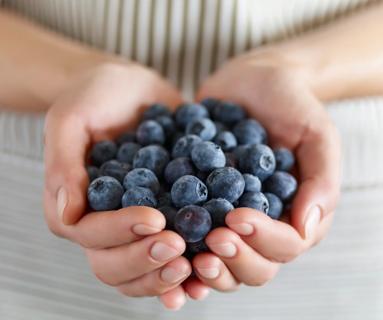
These versatile little fruits are full of powerful antioxidants that can help fight cell damage, manage cholesterol, boost body functions and more

These sweet red berries benefit your memory, boost your immune system and keep your heart healthy

These tasty little fruits can help fight inflammation, improve digestion and stabilize blood sugar
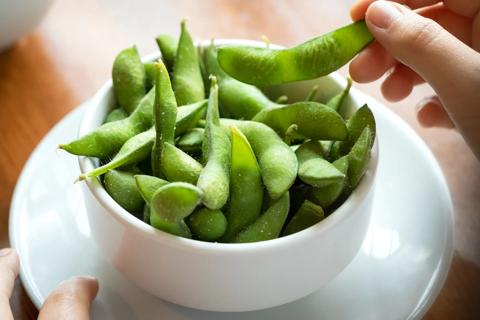
This legume is a good source of plant protein and fiber

These tiny saltwater larvae can get trapped under your swimsuit and trigger an itchy reaction called seabather’s eruption

Searching nature for edible items requires training and knowledge to avoid poisonous plants

Yes, but you can protect yourself with hats, scarves or even hair sunblock











