Locations:





Season this hearty soup with garlic, clove and cinnamon for an extra burst of flavor

Image content: This image is available to view online.
View image online (https://assets.clevelandclinic.org/transform/c96dac57-6214-4e6e-a8b5-8a86c41f1e47/peaSoupVegetables-105487524-770x533-1_jpg)
recipe Split pea soup with vegetables
Split peas are high in fiber, which can help decrease cholesterol, normalize blood sugar and help you achieve and maintain a healthy weight. What could be better? Mix with vegetables and you’ve got yourself a heart-healthy dish!
Advertisement
Cleveland Clinic is a non-profit academic medical center. Advertising on our site helps support our mission. We do not endorse non-Cleveland Clinic products or services. Policy
5 cups split peas
15 ounces low-sodium vegetable or chicken broth
Several cups of water
1/2 large yellow or white onion, diced
1 large bell pepper, any color, diced
2 cloves garlic, minced (about 2 teaspoons)
15 ounces no-salt-added diced tomatoes, partially drained
3 ounces canned chicken, drained (optional)
1 teaspoon Italian seasoning
1/8 teaspoon each of white pepper, cayenne pepper, cinnamon, ground clove, onion powder and garlic powder
1 tablespoon olive oil
Advertisement
Makes 8 servings
Calories: 270
Total fat: 3 g
Saturated fat: 0 g
Trans fat: 0 g
Cholesterol: 10 mg
Sodium: 85 mg
Carbohydrate: 42 g
Dietary fiber: 17 g
Sugar: 8 g
Protein: 19 g
Vitamin A: 10%
Vitamin C: 30%
Calcium: 4%
Iron: 15%
Advertisement

Sign up for our Health Essentials emails for expert guidance on nutrition, fitness, sleep, skin care and more.
Learn more about our editorial process.
Advertisement
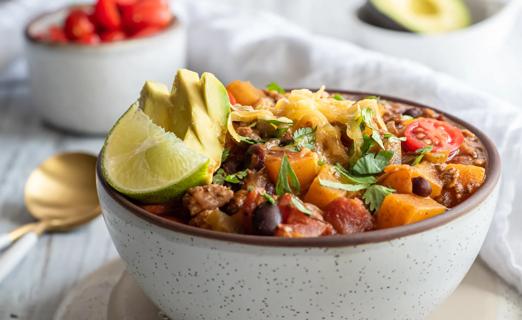
A flavorful and colorful family-pleaser

Creamy and sweetly satisfying

Low in calories, high in flavor
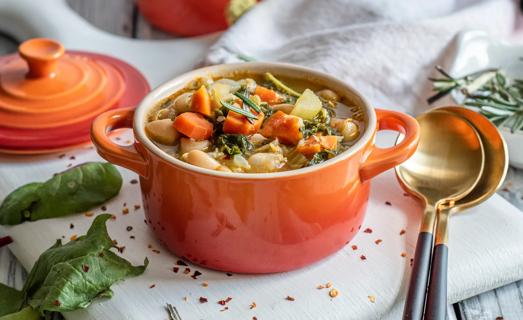
This hearty soup is full of nutrients and ready in 30 minutes
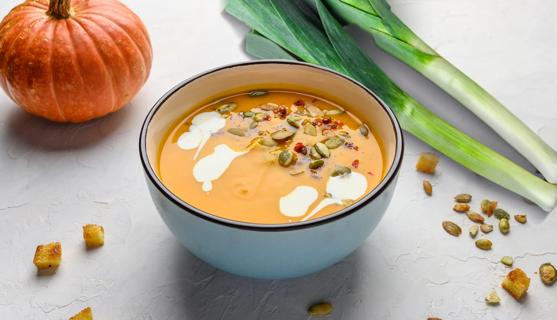
A satisfying, nondairy and low-in-calories soup sure to warm up your day
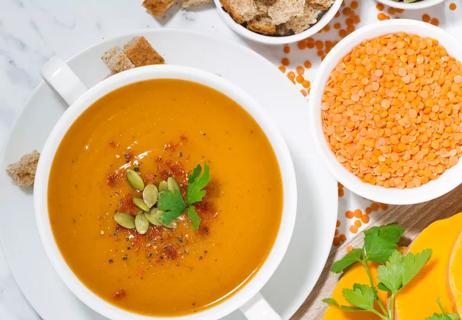
A delicious soup for any season

From meat to beans, we’ve got some ideas to help you create the perfect-for-you chili recipe

Forgo the fat, opt for flavor with this savory soup

Hormonal changes, a slower metabolism and muscle loss can make weight gain more common around menopause — healthy habits can help you manage it

Life-threatening complications include sepsis, stroke, pneumonia and more
Fruity-smelling breath can happen when your body burns fat for energy, and in some cases, can signal a medical emergency
 Search










