Locations:





They’re viral cousins, but enteroviruses are more likely to cause serious illness
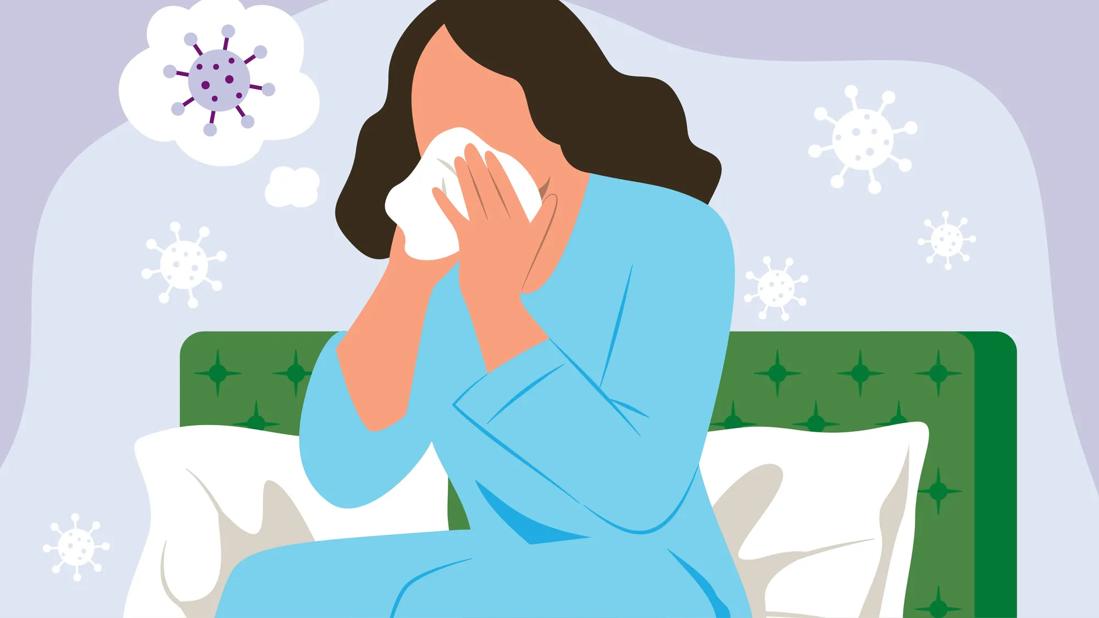
Image content: This image is available to view online.
View image online (https://assets.clevelandclinic.org/transform/55226b41-e7d9-4c7c-832b-9cdf18e89014/person-tissue-nose-sick-virus-2107804659)
Person sitting up in bed blowing their nose, with germs floating around
Rhinoviruses and enteroviruses can both make you feel lousy, but they don’t hit quite the same way. While they belong to the same virus family, the illnesses they cause — and how seriously those affect you — can be very different.
Advertisement
Cleveland Clinic is a non-profit academic medical center. Advertising on our site helps support our mission. We do not endorse non-Cleveland Clinic products or services. Policy
Family medicine physician Matthew Goldman, MD, shares what you should know about the key differences between rhinoviruses and enteroviruses, how they spread and when to worry.
Rhinoviruses and enteroviruses come from the same genus, but they’re not the same thing. They’re each subtypes (species) of the genus enterovirus.
If you remember high school biology, you may recall that genus is the classification just before species. For example, chimpanzees and bonobos are in the same genus, but they’re different species.
“Think of them as close cousins,” Dr. Goldman explains. “They come from the same virus group and share some features, but they behave very differently in the body.”
Together, there are more than 200 types of rhinoviruses and enteroviruses. All of them can cause viral infections. But they differ in where they tend to cause problems in your body and how serious those problems usually are.
Let’s take a look at some key differences.
Rhinoviruses usually affect your nose, throat and upper airways. They typically cause troubles like:
Enteroviruses, on the other hand, thrive in warmer parts of the body, like your digestive system. They can cause cold-like symptoms, but they’re also responsible for conditions like:
Advertisement
If you don’t have a chronic health condition, rhinoviruses are usually nothing more than an annoyance.
“Most people recover from rhinoviruses in a few days with nothing more than rest and other home remedies,” Dr. Goldman confirms. “But they can be more severe in young children, older adults or anyone with lung conditions like asthma or COPD.”
Enteroviruses tend to be more aggressive. They’re more likely to cause serious or even life-threatening illness — even in otherwise healthy people.
That said, it’s not always easy to tell the difference.
“Cold-like symptoms often suggest a rhinovirus, and stomach or neurological symptoms point to an enterovirus, but there’s a lot of overlap,” Dr. Goldman points out.
Some enteroviruses can look like a bad cold. And occasionally, rhinoviruses can cause minor stomach issues or affect your lungs like an enterovirus.
Both rhinoviruses and enteroviruses can spread easily between people, but they’re transmitted differently.
“Places like daycares, schools or crowded indoor spaces make it easier to pass either virus from person to person — even before someone is showing symptoms,” Dr. Goldman explains.
But rhinoviruses spread mainly through:
Some enteroviruses can also spread through the air, too. But more often, they’re passed through contact with poop (think: changing diapers or poor handwashing).
Most viral infections clear up on their own, but if your symptoms seem unusual or severe, reach out to a healthcare provider.
A little prevention can go a long way toward preventing rhinoviruses, enteroviruses and other bugs that can get you down. Wash your hands often, cover your coughs and sneezes, and stay home when you’re sick. And feel better soon!
Advertisement

Sign up for our Health Essentials emails for expert guidance on nutrition, fitness, sleep, skin care and more.
Learn more about our editorial process.
Advertisement
From poor hand hygiene and ventilation issues to contaminated food, many factors can make infectious diseases spread quickly

You can’t cure a cold, but these simple home remedies can help you feel better faster

Don’t expect miracles out of ‘immune-boosting’ supplements when you’re sick
Sinus infections tend to last longer and include symptoms like facial pressure and discolored mucus
Enteroviruses are often to blame for summer colds, leading to a runny nose, sore throat and digestive symptoms

Stress and unhealthy habits can lead to more colds, but taking some precautions may help you stay well

On their own, honey can help soothe a sore throat and garlic has immunity-boosting properties, but you don’t need to go the fermented route

Symptoms can overlap and be hard to distinguish, but there are some telltale differences

Hormonal changes, a slower metabolism and muscle loss can make weight gain more common around menopause — healthy habits can help you manage it

Life-threatening complications include sepsis, stroke, pneumonia and more

Fruity-smelling breath can happen when your body burns fat for energy, and in some cases, can signal a medical emergency
 Search










