Locations:


Tell them about any difficulties latching, excessive sleepiness and signs of discomfort
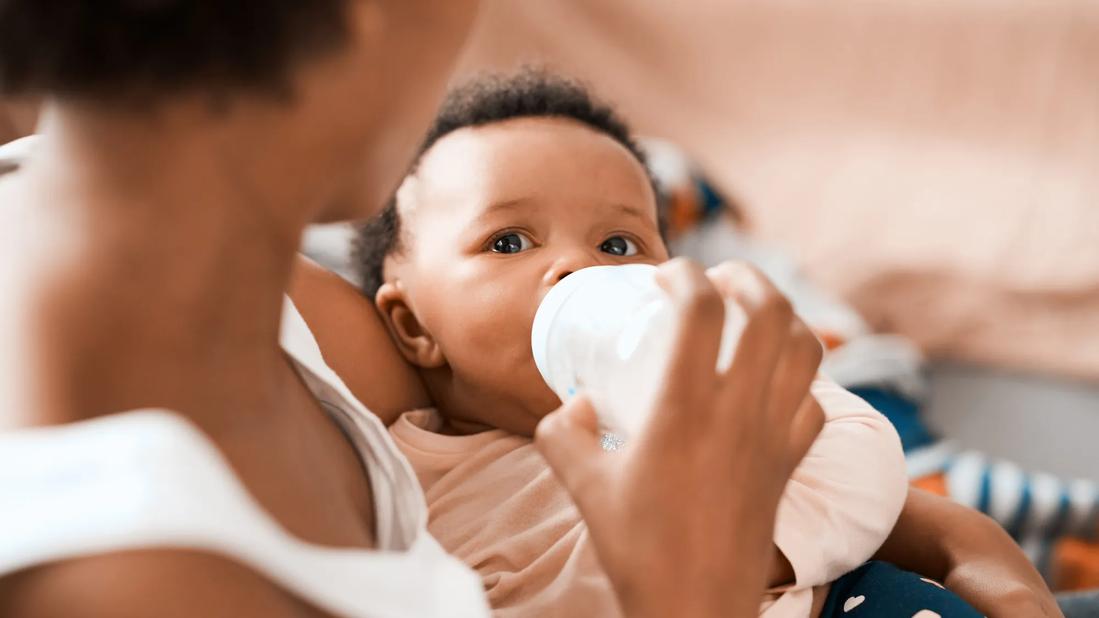
Image content: This image is available to view online.
View image online (https://assets.clevelandclinic.org/transform/c91892f0-8c6e-476b-965e-704329a8af67/poor-feeding-1178996554)
Caregiver holding a baby, feeding them a bottle
Caring for a newborn has a way of making you question everything. They’re sooo wittle. So helpless. And so utterly dependent on you. And when you start worrying if they’re eating well, it can make your head spin.
Advertisement
Cleveland Clinic is a non-profit academic medical center. Advertising on our site helps support our mission. We do not endorse non-Cleveland Clinic products or services. Policy
We hear you. We talked with pediatrician Amy Sniderman, MD, about signs of poor feeding in newborns so you can know what’s normal and when to seek help.
Here’s the first thing you should know about feeding a newborn: They need to eat often, but not a lot at a time.
That’s because in the first days of their lives, babies’ tummies are just about the size of a cherry. That means there’s not much room to pack away the milk. It also means the tank can run empty pretty quickly.
“Newborn babies feed very frequently,” Dr. Sniderman says. “They should eat at least every two to three hours around the clock initially, though some may eat hourly.”
How much should they eat at a time? Dr. Sniderman recommends these general guidelines:
Those numbers will increase slowly over the coming days and weeks.
“As they get back to their birth weight and beyond, babies may space their feeds out to every three to four hours, or they may continue to feed at that same frequency,” she adds.
Even if your baby is eating day and night, there can be times when they’re not feeding well.
Advertisement
Regular visits to your child’s healthcare provider, like a pediatrician, can help make sure your baby is getting the nourishment they need and developing appropriately.
But between visits, there are some signs that are worth paying close attention to. Dr. Sniderman shares these signs of poor feeding to discuss at your next appointment.
Perhaps the best indicator of whether your baby is eating properly is whether they’re gaining weight as expected.
“Almost all babies lose weight after birth,” Dr. Sniderman reassures. “Most lose less than 10% of their birth weight, but some might lose a little more and warrant closer follow-up.”
Most babies should regain their birthweight by the time they’re 2 weeks old. If your baby is having a hard time gaining weight, your pediatrician may recommend more follow-ups to make sure they get back on track.
Some babies may have trouble getting the hang of the process of eating.
Newborns should fall into a steady suck-swallow-breathe pattern when they chow down. But eating is a new skill, and one that can be tough for some babies to manage.
Signs of poor feeding include:
Advertisement
“Most babies are going to have some of these signs at least some of the time,” Dr Sniderman acknowledges. “But if they’re happening frequently, it’s worth bringing up to their healthcare provider.”
In addition to eating a lot, newborns sleep a lot. But if sleep gets in the way of eating, it can keep them from growing and developing properly.
“Being a little sleepy and hard to feed is very normal, but excessive sleepiness is definitely something to discuss with your pediatrician,” Dr. Sniderman advises. “If baby is too sleepy to feed or has other worrisome signs, like yellowing of the skin or fever, contact the doctor right away.”
Newborns can’t tell you what’s going on with them. So, if they’re not feeding well, there are only so many ways they can alert you.
Babies who are feeding poorly may be extra fussy. They may act like they want to eat, only to promptly reject the breast or bottle. They may be clingy, and they may cry.
They may also spit up — ranging from a bit of dribble to intense vomiting.
“A little spit up or fussiness with feeding can be normal,” Dr. Sniderman also reassures. “But extreme fussiness, frequent spit-up or episodes of projectile, bright yellow vomit can be signs of reflux or more serious conditions and should prompt a call to the pediatrician.”
Advertisement
What goes in must come out, right? For newborns, that means dry diapers can be a sign of poor feeding.
How do you know if they’re peeing enough? In general, babies should have as many wet diapers as they are days old for the first week. After that, they should have at least six wet diapers a day. The diapers also become heavier (wetter) as they get bigger.
If your baby is wetting fewer diapers than expected for their age, that’s a good reason to talk to the pediatrician.
There’s a reason baby well-visits are recommended so frequently: In addition to taking care of vaccines and other needs, those appointments are an opportunity for their provider to make sure they’re eating well.
Talk with their provider about things like fussiness, latching issues and spit-up. And seek urgent attention for signs of distress, like:
“It can be tricky for parents and caregivers to tell what’s normal and what’s not,” Dr. Sniderman acknowledges. “Never hesitate to contact your provider or schedule a weight check appointment. It can give families a lot of peace of mind.”
Advertisement

Sign up for our Health Essentials emails for expert guidance on nutrition, fitness, sleep, skin care and more.
Learn more about our editorial process.
Advertisement

In babies under 12 months old, cow’s milk has been associated with gastrointestinal bleeding

No juice until your child is 1 year old — and even then, they shouldn’t have much, if any
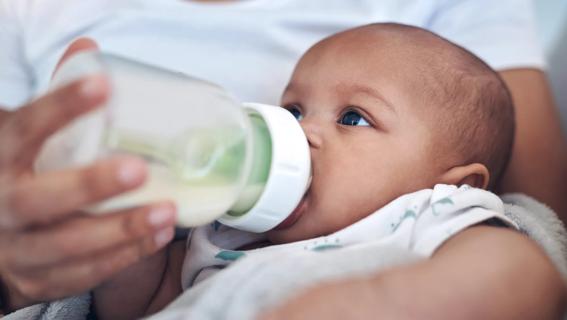
Ultimately, the choice depends on what works best for you and your baby, but it’s also important to be aware of the pros and cons of both
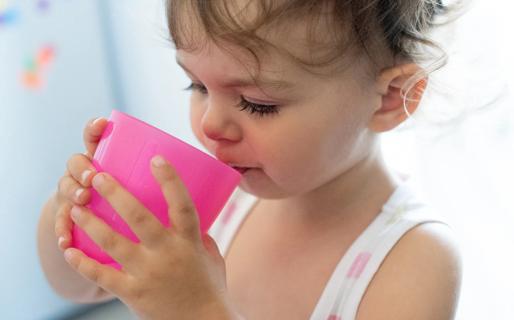
Ideally, you want your toddler to be drinking from a ‘big kid cup’ by age 2
Letting your baby feed themself foods the whole family enjoys has its benefits — but stick to softer foods and follow safe-eating guidelines
Levels are generally low, but there are ways to minimize potential health risks
Slowly introducing cow’s milk (or soy milk) can help your child make the change

In babies under 12 months, honey may cause a serious illness called infant botulism

A combination of lifestyle and health factors may be behind the trend

The plant-based milk option is low in calories and high in heart-healthy fats

Some birth control methods — and how you use them — may lighten or stop your period
 Search