Locations:





 Search
Spoiler alert: Taste buds change more often than you might think
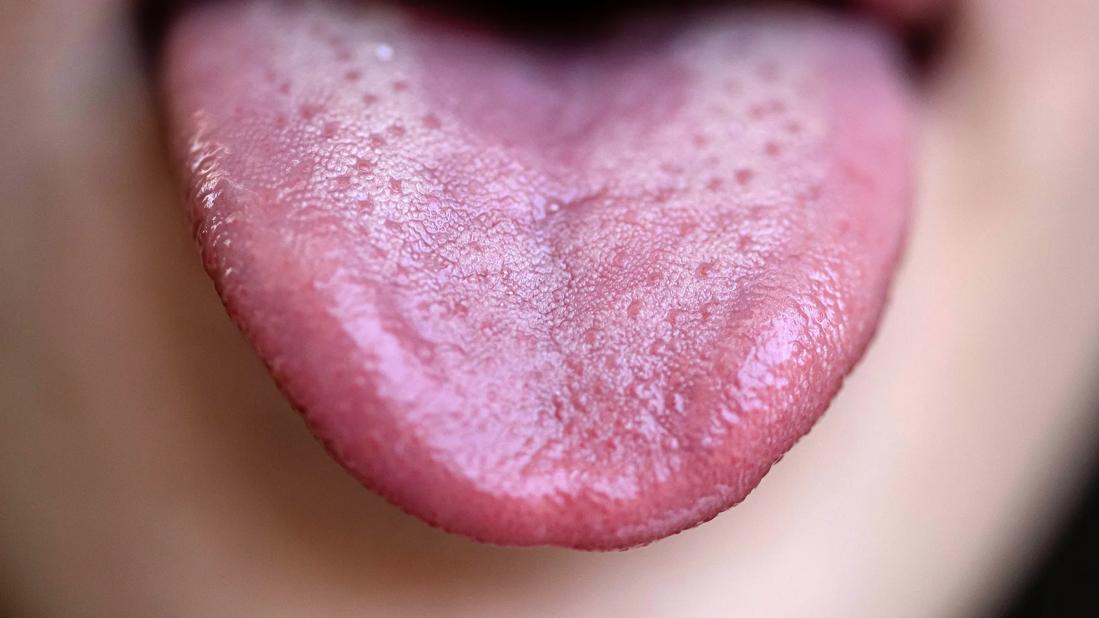
Every two weeks or so, your taste buds get a fresh start. That’s why a burnt tongue heals quickly, and why the foods you may have hated as a kid might actually taste good now.
Advertisement
Cleveland Clinic is a non-profit academic medical center. Advertising on our site helps support our mission. We do not endorse non-Cleveland Clinic products or services. Policy
Your taste buds constantly regenerate, but they don’t work alone. Other factors affect how you experience flavor. As Parveez Rangwala, DDS, explains, “Age, health, medications and even repeated exposure to certain foods all influence how flavors register in your brain.”
Put simply: Your taste buds are always changing — and so are you.
Taste buds naturally renew themselves every few weeks. But other things can affect how well they work.
“Sometimes, these changes are temporary, like when you’re sick and everything tastes bland,” Dr. Rangwala notes. “Other times, health conditions or medications can cause longer-lasting changes. Even habits like brushing and flossing matter.”
From getting older to catching a cold, many factors can change how things taste. Some are short-lived. Others may reflect underlying health or lifestyle issues. Here are some of the most common reasons your taste might shift.
As you get older, your sense of taste naturally fades. Here’s why:
Advertisement
“Many people notice food tastes more bland as they age,” shares Dr. Rangwala. “It’s a normal but sometimes frustrating part of getting older.”
Certain health conditions can dull your sense of taste, including:
Taste usually returns after you recover from an illness. But with chronic conditions, it’s important to talk to your provider.
“Some medicines can change how food tastes,” says Dr. Rangwala, “either directly or by causing side effects like dry mouth.”
Common culprits include:
If you notice a change in taste while on medication, tell your care team. They may be able to adjust your treatment.
Dental problems can dull your taste buds.
Common causes include:
“Brushing, flossing and regular dental check-ups help protect both your mouth and your sense of taste,” says Dr. Rangwala.
Chemicals in tobacco products — including cigarettes, cigars, chewing tobacco and snuff — can damage taste buds and blunt your sense of flavor.
The good news? Quitting tobacco can improve your sense of taste — and your overall health.
Your taste buds are always changing. Illness, medications and habits like oral hygiene or tobacco use can all play a role. The good news is that many taste changes are temporary — and manageable.
“Most of the time, shifts in taste are normal and nothing to worry about,” says Dr. Rangwala. “But if your sense of taste changes suddenly or doesn’t improve, it’s worth getting checked out.”
If something tastes off, don’t ignore it. A provider can help find the cause — and get you back to savoring your favorite foods.
Advertisement
Learn more about our editorial process.
Advertisement
Dehydration, medication and nasal congestion are common culprits

Smoking, medications, acid reflux and even aging can all leave you with a bad taste in your mouth

Some people experience taste — or certain flavors — more intensely than others

These berries may make life taste a little sweeter, but they may not be for everyone
8 reasons salty mouth happens and how to treat it

Expert advice on what might be causing that strange taste

An expert explains the primary causes

These common mouth sores are very different — cold sores are caused by a virus and are contagious, but canker sores aren’t

The tropical fruit is a good source of antioxidants and vitamin C

Most people fall asleep within 10 to 20 minutes, but if your experience is different, adjusting your sleep schedule may help

Exploring your hidden side can lead to better understanding of what makes you tick











