Locations:





Healthy servings of foods packed with protein, vitamins and minerals can amp up your collagen
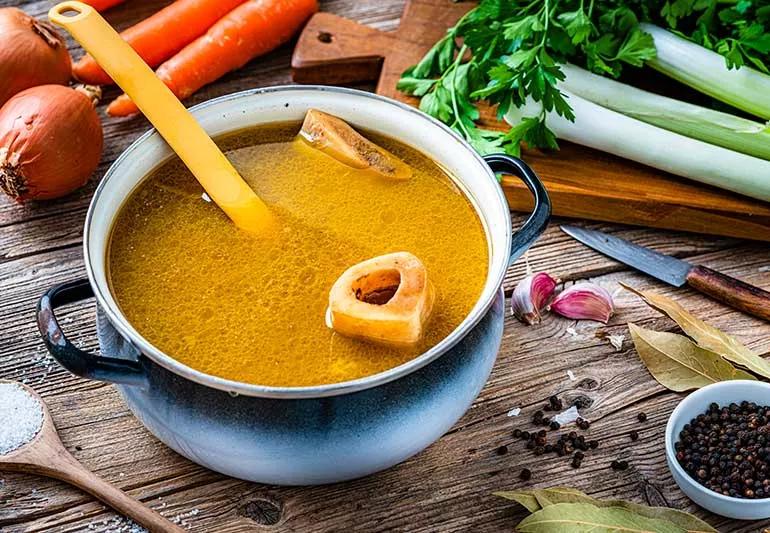
Image content: This image is available to view online.
View image online (https://assets.clevelandclinic.org/transform/c45b2091-6ac8-4e76-8e72-a25bed3ba3e5/Foods-With-Collagen-1360053849-770x533-1_jpg)
Bone broth.
Collagen isn’t just for wrinkles anymore. The trend has spread from cosmetic injections to products you see every day on grocery and drugstore shelves. Food, skin creams, pills and powders all tout collagen as the way to a healthy, vibrant body.
Advertisement
Cleveland Clinic is a non-profit academic medical center. Advertising on our site helps support our mission. We do not endorse non-Cleveland Clinic products or services. Policy
But are these collagen-rich products worth your money — or even necessary?
“Your body has been making collagen your whole life,” says Elizabeth Bradley, MD, Medical Director of Cleveland Clinic’s Center for Functional Medicine. “Products to boost your collagen levels may be helpful, but you first need to consider if your body needs more.”
Collagen is a protein — the most plentiful protein in your body. It’s in your muscles, bones, tendons, ligaments, organs, blood vessels, skin, intestinal lining, hair and other connective tissues.
While you can’t measure your collagen level, you can tell when it’s falling. Collagen decreases as you get older, contributing to:
“Aside from aging, the top reason people don’t have enough collagen is poor diet,” Dr. Bradley says. “Your body can’t make collagen if it doesn’t have the necessary elements.”
Start by having healthy servings of foods packed with protein, vitamins and minerals.
Dr. Bradley says her favorite collagen-boosting brew is bone broth.
Advertisement
Bone broth draws collagen out of beef, chicken or fish bones, leaving a flavorful liquid that you can drink straight up or use in other dishes. Most bone broth recipes require slowly simmering bones in water — on the stove or in a crockpot — for one or two days.
You can buy it in grocery stores or make it yourself. “I recommend buying only organic bone broth, or cooking broth from the bones of only organically raised animals,” Dr. Bradley says. “You don’t want the residue of pesticides, antibiotics and other contaminants in your broth.”
When your body makes collagen, it combines amino acids — nutrients you get from eating protein-rich foods.
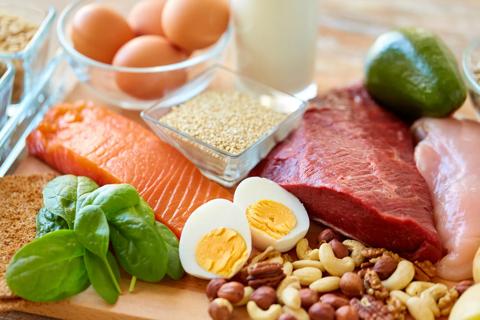
Foods packed full of proteins include:
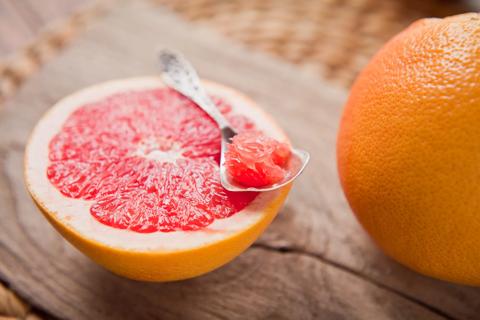
Making collagen also requires vitamin C. You can get vitamin C by eating fruits and veggies, including:
Your body also needs zinc and copper. These minerals are found in:
“As you age, however, your body may no longer absorb nutrients as well or synthesize them as efficiently,” Dr. Bradley notes. “To make sure your body has enough ingredients to make collagen, you may need to change what you eat or take dietary supplements.”
If you’re eating a healthy diet and feeding your body all the nutrients it needs to make collagen, you probably don’t need a supplement, Dr. Bradley says.
But if you do want to try a collagen supplement, ask your doctor first. A promising 2019 systematic review found that oral collagen supplements could help heal wounds and with keeping skin elastic, but more research was needed on the best dosage to take.
At any rate, hydrolyzed collagen (or “collagen peptide”) powder usually has no flavor and dissolves easily in beverages, smoothies, soups and sauces.
As for skin cream with synthetic collagen, it may work. It will add a film-like layer to your skin to reduce water loss and act as a barrier from environmental elements.
But using skin cream is probably not as effective as healthy eating — and protecting your skin from excessive sun exposure and sunburns, especially early in life, Dr. Bradley states.
“Your skin is your body’s largest organ,” she says. “The same way you nourish collagen stores throughout your body will nourish your skin, too.”
Advertisement

Sign up for our Health Essentials emails for expert guidance on nutrition, fitness, sleep, skin care and more.
Learn more about our editorial process.
Advertisement

This East Asian and subtropical fruit is packed with delicious nutrition
Lean meats, fish, dairy and plant proteins can help you meet your protein needs without piling on saturated fat and sugar
This citrus fruit delivers vitamin C, fiber and other nutrients that can support your heart, immune system and skin
Protein is essential in your diet, but piling more onto your plate isn’t always better

Both are healthy choices, but wild-caught salmon offers a few more benefits

This vibrant purple yam offers vitamin C, fiber and antioxidants in every bite
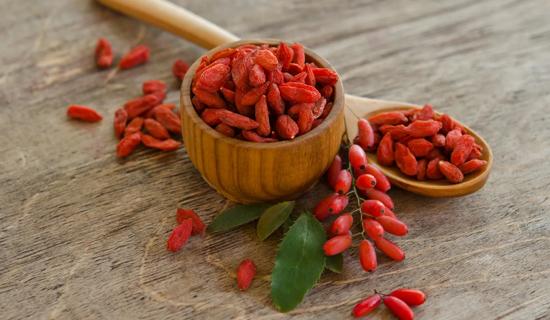
These bright berries are packed with nutrients and antioxidants that may support your eyes, immune system and overall well-being

The general rule is 1.2 to 1.6 grams of protein per kilogram of body weight — but that may not be exactly right for you

Managing your weight through physical activity may lower your chances of getting this common cancer

It typically starts in October and winds down in early spring, with cases at their highest in the middle of winter

Anxiety disorders, health conditions and past trauma can make driving nerve-wracking — help is available
 Search










