Locations:





 Search
Sleep masks can help you create total darkness so you can sleep better
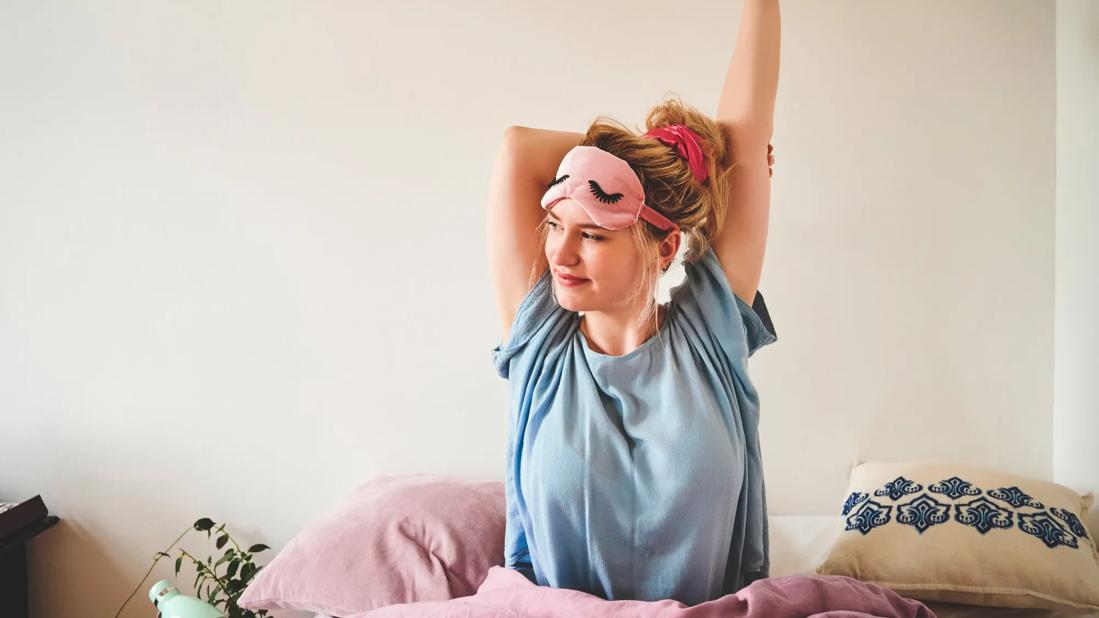
Image content: This image is available to view online.
View image online (https://assets.clevelandclinic.org/transform/856ce4e3-d9a2-4ada-ac2d-6bf4e2d79abf/sleep-mask-1312603484)
Person waking up, sitting up in bed, stretching, with sleep mask raised to forehead
For a better night’s sleep, it can help to embrace the dark side — as in, sleep in total darkness. Blackout curtains can help. So can keeping electronics out of your room and turning off the TV before bed.
Advertisement
Cleveland Clinic is a non-profit academic medical center. Advertising on our site helps support our mission. We do not endorse non-Cleveland Clinic products or services. Policy
A sleep mask is another simple way to block out ambient light at night. It’s a soft fabric mask that covers your eyes and helps your brain settle into sleep mode. Sleep masks come in a range of styles and materials, but they all aim to do the same thing — create a darker, calmer space for rest.
Sleep expert Samuel Gurevich, MD, notes that while sleep masks aren’t a cure-all for insomnia, many people do find them useful. “A safe, calm environment is important for a good night’s rest, and blocking out light is part of that,” Dr. Gurevich says. “Eye masks can help, especially if your normal sleeping time is during the day.”
Dr. Gurevich explains why sleep masks can help, who may benefit most and how to find the right one for you.
Sleep masks help keep light from reaching your eyes while you sleep. That’s important because we’re wired to wake up if there’s any hint of danger — and that includes light. Even small amounts of light can keep you from getting your ZZZs.
“Your brain needs to know everything is safe, comfortable and without a lot of stimulation, including artificial light or a TV,” Dr. Gurevich explains. “Eye masks can help because they create that darkened space that helps your brain settle.”
Advertisement
Darkness also boosts your production of melatonin, the hormone that helps regulate your sleep cycle.
You may find a sleep mask especially helpful if you:
There isn’t a lot of research supporting sleep masks’ effectiveness, but anecdotally, they seem to help.
For starters, they can be part of a calming nighttime routine that tells your brain it’s time to wind down.
“Putting on an eye cover when you go to bed can be part of a ritual that conditions your brain to recognize everything’s safe, calm and comfortable,” Dr. Gurevich says. “Your routine tells your brain it’s time to shut off and let sleep come.”
Because sleep masks help reduce interruptions from light, they may also improve your overall sleep quality and promote deeper sleep.
“Longer-term benefits of good, healthy sleep include a decreased risk of cardiovascular disease and stroke,” he adds. “Sleep is one of the unsung heroes of our health. We tend to take it for granted and borrow from it, but it affects every part of your life.”
Sleep masks come in many shapes and fabrics. Among your options are:
There’s no one “best” sleep mask. The right pick depends on your needs, preferences and sleep habits.
When choosing a sleep mask, look for one that:
Most of all, Dr. Gurevich says to trust how the mask feels. “Focus on what feels the best instead of what looks the best, and you’ll find the right eye mask for you.”
And don’t expect a sleep mask to make up for poor sleep hygiene or treat a sleep disorder. If you’re consistently having trouble getting enough good, quality sleep, talk with a healthcare provider. They can help you find solutions to help you get the rest your body and mind need.
Advertisement
Sleep tight, and enjoy your mask-erade slumber party.
Advertisement

Sign up for our Health Essentials emails for expert guidance on nutrition, fitness, sleep, skin care and more.
Learn more about our editorial process.
Advertisement

To avoid sleep deprivation and shift work sleep disorder, try adopting habits that minimize light exposure and prioritize daytime sleep
Sleep disorders, mental health conditions and other health concerns can all affect the quality of your sleep
Most people fall asleep within 10 to 20 minutes, but if your experience is different, adjusting your sleep schedule may help
Stick to a consistent schedule, be mindful of screen time and work on reducing your stress levels before bed
Napping can boost focus, memory and mood — if you time it right
These devices can help shed light on what’s happening with your body during rest
Keep a dream journal, set your intentions before bed and make sure you’re getting a full night of high-quality sleep
Controlling your dreams may help you tap into your creativity and even reduce anxiety

This ‘harm reduction’ approach to sobriety involves subbing one substance for another — a method that isn’t backed by research
Educate your child about body image, expectations and skin care first

A true chlorine allergy is extremely rare — it’s far more likely that you have a damaged skin barrier











