Locations:





Here's what you can do to help prevent it
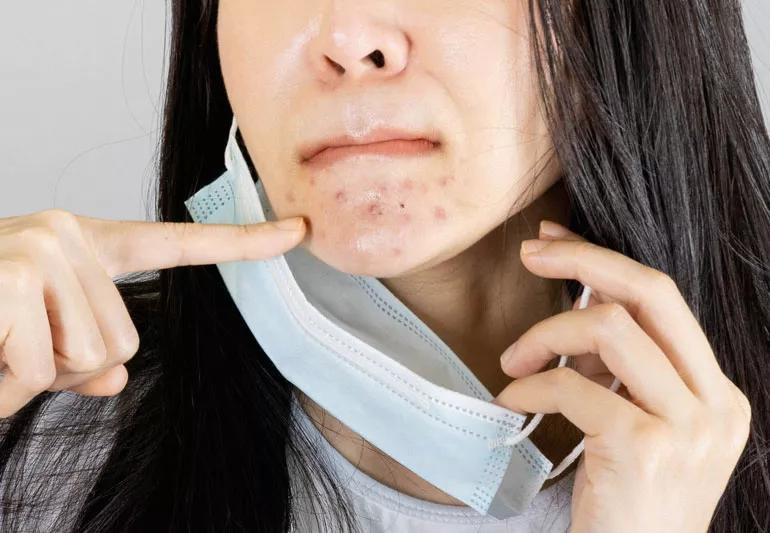
Image content: This image is available to view online.
View image online (https://assets.clevelandclinic.org/transform/8a61fcf9-d1a4-4a46-a824-f31a51cc070d/maskne-1237620580-770x533-1_jpg)
woman with maskne
With acne, none of us are truly in the clear.
Advertisement
Cleveland Clinic is a non-profit academic medical center. Advertising on our site helps support our mission. We do not endorse non-Cleveland Clinic products or services. Policy
It can pop up during infancy. And if it didn’t make an appearance during puberty, it can catch up with us later on in life. It’s annoying at any stage but thankfully, there are ways to deal with acne when it starts to take over our face or body.
The new normal requires us to wear masks regularly and for longer periods of time in some cases. While we’re covering up our mouths and noses to stop the spread of COVID-19, some of us are uncovering a new problem — maskne, or mask-related acne.
While maskne might be new to many of us, it didn’t originate out of nowhere.
“It has always been an issue in professions where you have to wear a mask regularly,” says dermatologist, Amy Kassouf, MD. “But now that the general public has to wear masks, the incidence of it has certainly increased.”
Dr. Kassouf explains that stress from the pandemic, as well as the local irritation from your mask, can make maskne more likely.
When you breathe or talk, your mask tends to trap in a lot of hot air. Besides being annoying, this air creates a warm, humid environment — and an ideal setting for yeast, bacteria and other flora, such as demodex (types of skin mites that naturally live on our skin), to grow.
Dr. Kassouf says that these bacterial imbalances and friction from your mask can promote acne and rosacea flare-ups as well as something called perioral dermatitis. This is when fine pimples and pustules appear around the nose and mouth.
Advertisement
You might assume that wearing these products under our masks can cause maskne to get out of control. That’s not always the case though. Dr. Kassouf says that lotion, topical treatments and sunscreen can help calm and balance our normal skin flora.
“A layer of moisturizer (lighter if you are oily or acne prone and thicker if you have sensitive or eczema-prone skin) or even a sunblock that contains zinc or titanium can help your skin by serving as a barrier against any friction or irritation that develops.”
Dr. Kassouf encourages you to keep in mind that thick layers of lotion or sunscreen on the face can aggravate breakouts with or without a mask, but occurs more easily when wearing one.
Don’t worry. You don’t have to return your latest beauty haul to the store. Dr. Kassouf says makeup is fine as long as you’re not heavy handed during application.
“Under our normal masks, it’s acceptable to wear a light layer of makeup. If you are wearing an N-95 mask that will be recycled, makeup stains may limit the ability to reuse it or fully clean it. In this case, you should avoid wearing makeup.”
Guys, we know this process can be really tough on those majestic beards and mustaches. Facial hair can present a problem given the fit of the mask, the warm air that gets trapped under it and moisture from sweat. But there’s hope and help for you as well.
If you have to wear your mask for a long period of time and aren’t in a position where you can wash your face, Dr. Kassouf suggests using a simple toner with alpha hydroxy acid or even witch hazel to freshen your skin and prevent problems. Just make sure you allow your skin and beard to fully dry before putting your mask on.
While lightweight fabrics might be better for your skin, they don’t quite offer the level of protection needed to block out COVID-19. Dr. Kassouf explains how mask fabrics factor into the equation.
“Lighter fabrics that are cooler and usually easier to breathe through are often the ones that don’t do a good job of filtering the virus in either direction. Tight weave fabrics and masks with several layers are the best protection. Some fabrics are softer and more flexible so they may be more comfortable. Washing the fabric or mask first to remove any finishes on the fabric can help reduce the possibility of irritation as well.”
Changing your mask frequently can help reduce irritation, especially after sweating or exercising. After each use, Dr. Kassouf suggests washing your masks with a fragrance-free detergent, rinsing them twice and putting them in the dryer. Not only does washing your masks help make them more tolerable to wear, but this process is also very important for infection control.
Advertisement
According to Dr. Kassouf, there are a number of options.
Sure, wearing a mask can be tricky or just plain annoying. But when it comes to stopping the spread of COVID-19, a mask is your first line of defense.
Think of it this way. If you get maskne, a trip to the beauty counter, dermatologist or drug store can get you back on the road to Glow Town. If you end up with the coronavirus, your skin will be the least of your worries.
Advertisement
“Wearing a mask these days is of penultimate importance. By wearing your mask, you protect others and show respect for them. And in return, when others wear theirs, they protect you and show respect towards you,” says Dr. Kassouf.
Advertisement

Sign up for our Health Essentials emails for expert guidance on nutrition, fitness, sleep, skin care and more.
Learn more about our editorial process.
Advertisement
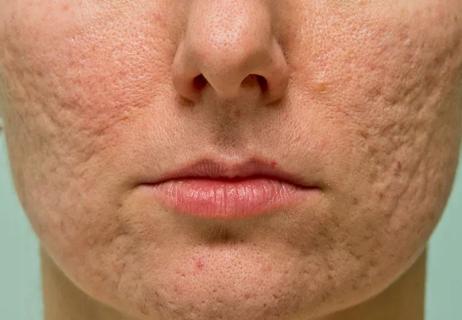
Achieve clearer skin with chemical peels, dermabrasion, fillers and laser resurfacing
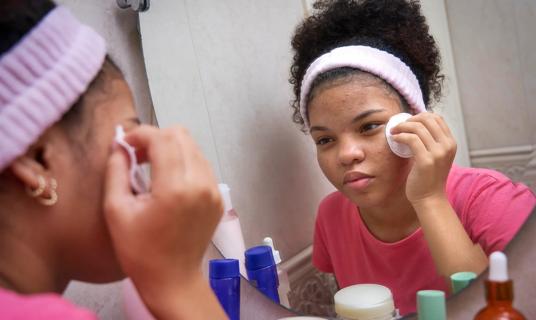
Antibiotics should be used for short periods alongside other treatments to help with inflammation
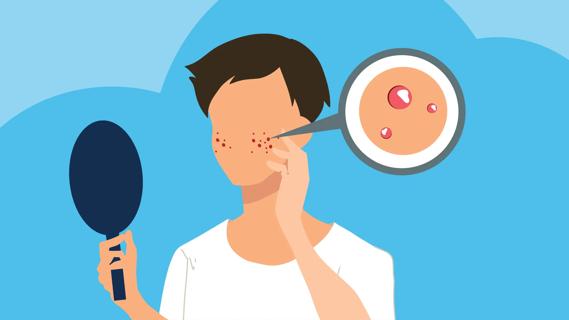
It’s best to avoid picking at zits, which can damage your skin (though there are ways to minimize the risk)
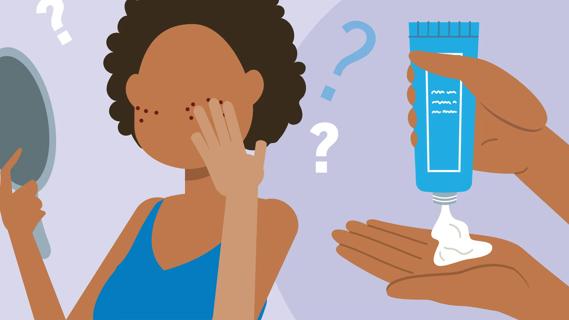
This medication only works well for short periods of time and when paired with other treatments
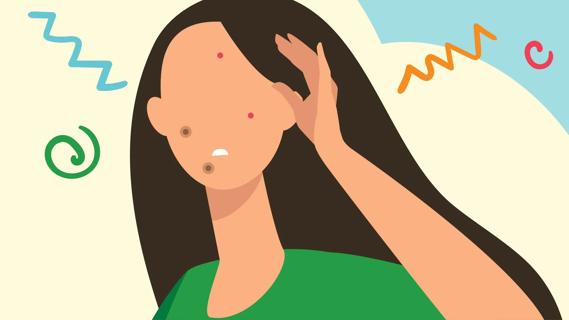
‘Zit stickers’ can help heal a new or popped pimple, but they’re limited when it comes to managing acne
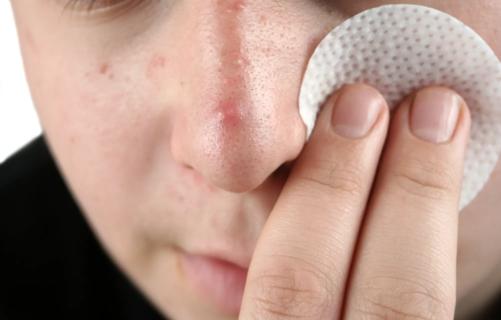
Try exfoliating and using salicylic acid to treat this pesky skin care issue
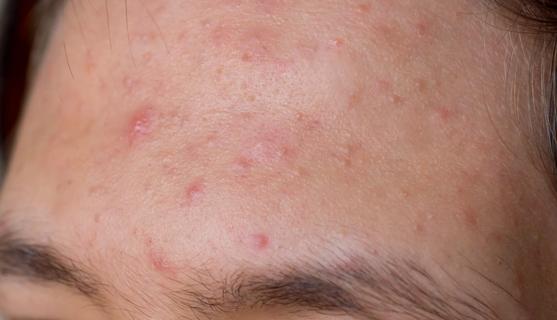
Wear light, breathable clothing, shower after you exercise and change your sheets regularly
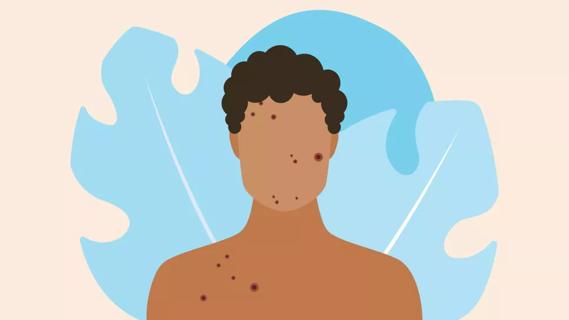
As you age, hormones can continue to play a big role in breakouts
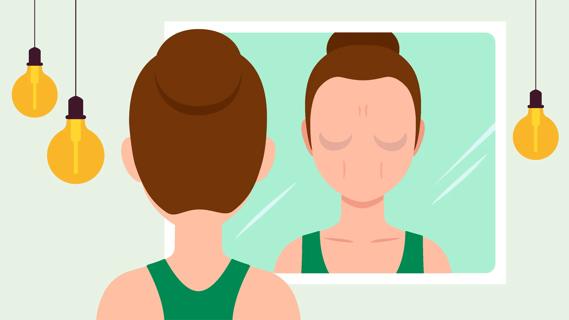
Rapid weight loss can cause loose skin, facial volume loss and body contour changes
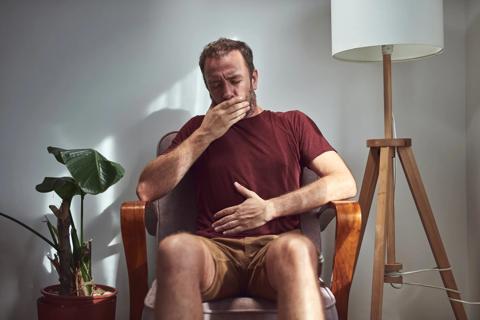
Swallowing too much air, certain foods and drinks, and digestive conditions can all make you belch more
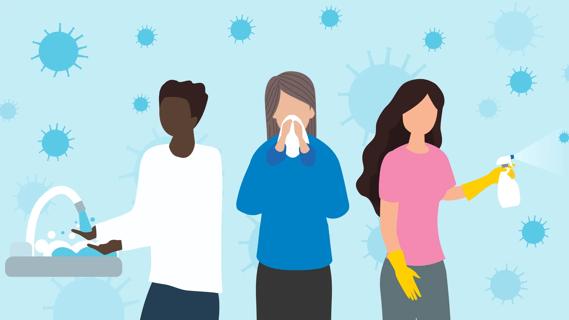
From poor hand hygiene and ventilation issues to contaminated food, many factors can make infectious diseases spread quickly
 Search










