Locations:





Masking can help reduce the spread of respiratory illnesses in certain situations
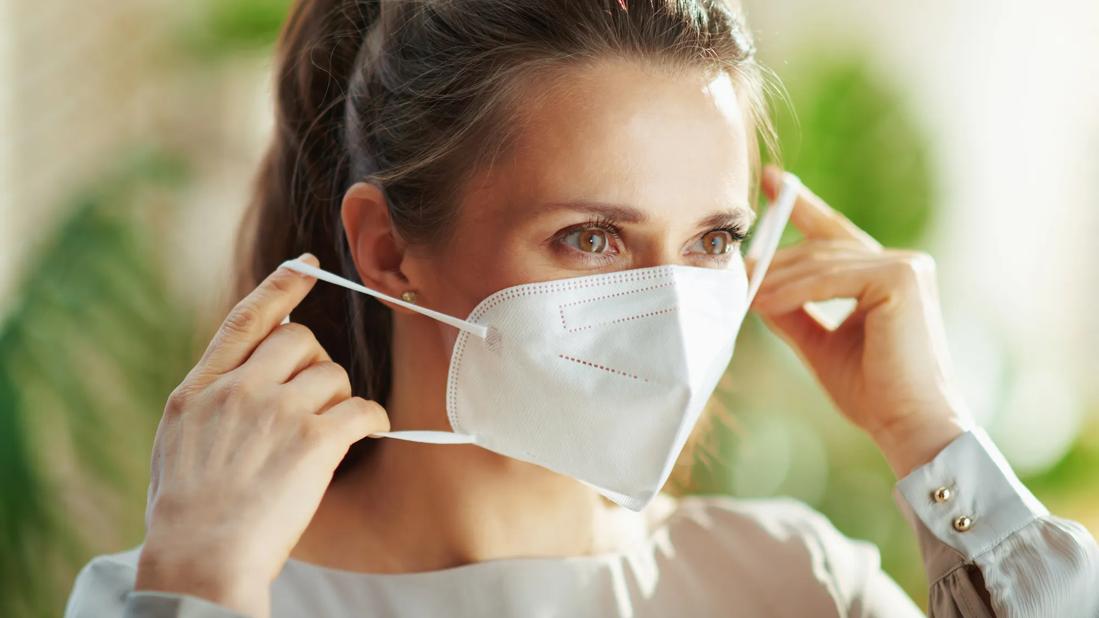
Image content: This image is available to view online.
View image online (https://assets.clevelandclinic.org/transform/af93a68f-29eb-4b2f-b201-d8015f64c91e/putting-on-face-mask-1311420208)
Woman putting on a disposable medical mask
You don’t have to be in the thick of a global pandemic to benefit from wearing a mask. Worn properly, they’re a great way to reduce your risk of getting sick — or getting someone else sick.
Advertisement
Cleveland Clinic is a non-profit academic medical center. Advertising on our site helps support our mission. We do not endorse non-Cleveland Clinic products or services. Policy
Wondering what type of masks are best, when to wear them or how they work?
Pediatric infectious disease specialist Frank Esper, MD, answers these questions and more in a crash course on masking.
Masks prevent the spread of infections by acting as barriers for the respiratory droplets and small particles that we expel when breathing out, talking, singing and more. Coughing and sneezing can propel these germ clouds even farther, up to 26 feet.
“Masking protects both you and the people around you,” Dr. Esper states. “The particles you put out get caught inside your mask, while the particles other people put out hit the outside.”
They aren’t effective 100% of the time, but research shows that, when used properly, high-quality masks are an extremely helpful tool for preventing the spread of respiratory infections like the flu, respiratory syncytial virus (RSV), COVID-19 and even the common cold.
There are many different types of masks on the market that prevent infectious disease transmission. Which option is best for you depends on the situation you’re in and your health history.
In high-risk situations, you may choose to use a respirator instead of a mask. Respirators are protective masks (like N95s) that are more securely fitted to the face. They also offer better quality filtration, protecting against both small and large droplets. Regular masks only filter large droplets.
Advertisement
The options include:
Even the best mask is only as good as its fit. The mask should be snug, yet comfortable against the sides of your face, without gapping. The material should allow you to breathe easily.
You’ll get the greatest benefit from your mask if you practice the following simple but effective storage, handling and hygiene procedures.
Advertisement
Although some jobs and circumstances require masking, most of the time, the choice to wear personal protective equipment is yours. Dr. Esper recommends wearing a mask if you are:
While masking is no longer required in most settings, some people choose to keep them on hand.
“It’s like keeping an umbrella handy for a rainy day or, in this case, respiratory season,” Dr. Esper illustrates.
There are some people who can’t wear masks for medical reasons, but generally speaking, wearing a mask is safe for most people. While inhaling high levels of carbon dioxide is dangerous, masks are designed to prevent CO2 gas from building up.
“It’s a good idea to step outside and drink some water every hour or two if you have to wear a mask all day,” Dr. Esper advises. “Dehydration is the biggest risk that comes with wearing a mask.”
People who can’t safely wear masks include:
Advertisement
While rare, people with certain disabilities or chronic conditions may not be able to mask either.
If you or a family member isn’t able to wear a mask, a face shield may be a good alternative. They don’t offer the same level of protection that masks do, but studies suggest they can still make a difference.
“If you wear a mask around someone who can’t, you’re helping protect them, too,” Dr. Esper reminds us.
Masking is a great way to protect yourself against certain kinds of infectious diseases — but it’s not the only way, and it’s not a substitute for other precautions, like:
“If you do all of these things consistently, your odds of staying sniffle-free go down substantially,” Dr. Esper notes. “They’ll go down even further if you choose to wear a mask, too.”
Advertisement

Sign up for our Health Essentials emails for expert guidance on nutrition, fitness, sleep, skin care and more.
Learn more about our editorial process.
Advertisement
No, but find out how you could be making things more uncomfortable
They’re a hot seller, but a proper fit is critical
It depends on your symptoms and where you feel them in your body, but you may want to sit this one out
Symptoms like constant fatigue, shortness of breath and chills could all be signs of low iron
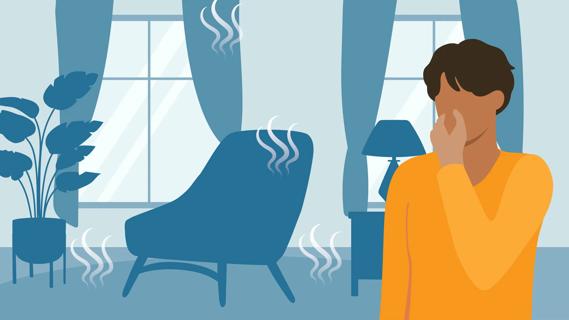
Nicotine and other lingering chemicals from smoking can harm people who don’t smoke, including children
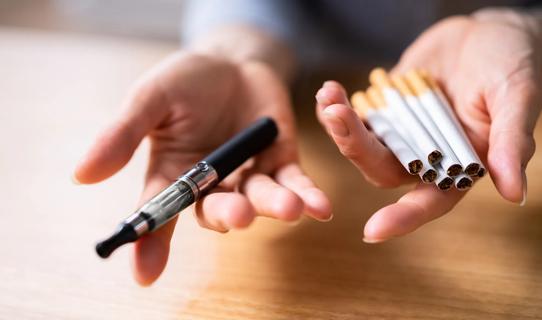
Nicotine in any form is hazardous to your health

Both respiratory illnesses cause coughing, but croup brings a distinctive ‘barking’ sound
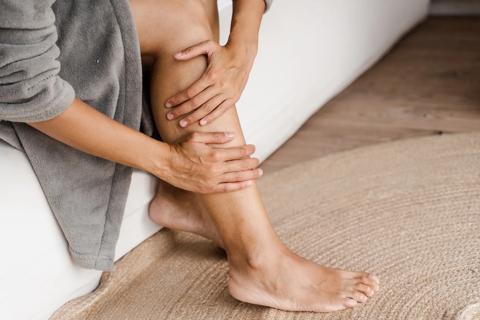
Leg-related symptoms indicate DVT, while chest symptoms point to a pulmonary embolism

Hormonal changes, a slower metabolism and muscle loss can make weight gain more common around menopause — healthy habits can help you manage it

Life-threatening complications include sepsis, stroke, pneumonia and more

Fruity-smelling breath can happen when your body burns fat for energy, and in some cases, can signal a medical emergency
 Search










