Locations:





 Search
Advice for smart holiday eating, while still enjoying yourself

Image content: This image is available to view online.
View image online (https://assets.clevelandclinic.org/transform/9295ee52-1156-4513-84bf-92d156855711/healthyHolidayEating-1144859784-770x533-1_jpg)
eating healthy over the holidays
The holidays are filled with family, parties, traditions and lots of yummy, festive food. But research shows that most adults usually gain some sort of weight over the holiday season. But don’t despair — this year can be different! It’s possible to make smart, healthy decisions while still enjoying yourself.
Advertisement
Cleveland Clinic is a non-profit academic medical center. Advertising on our site helps support our mission. We do not endorse non-Cleveland Clinic products or services. Policy
Registered dietitian Julia Zumpano, RD, LD, shares tips and advice on ways to enjoy the holidays without adding on the pounds.
Advertisement
Advertisement

Sign up for our Health Essentials emails for expert guidance on nutrition, fitness, sleep, skin care and more.
Learn more about our editorial process.
Advertisement

Connecting with others, giving back and stepping away from social media can all help you cope

Follow these tips, like hand washing and self-care, to keep illness at bay as you celebrate the season

You’re more likely to be allergic to the debris that came in with this festive evergreen

Define your relationship, set expectations and don’t plan too far in advance

Don’t skip meals or go ‘cold turkey’ — eat a balanced diet and talk to a healthcare provider instead
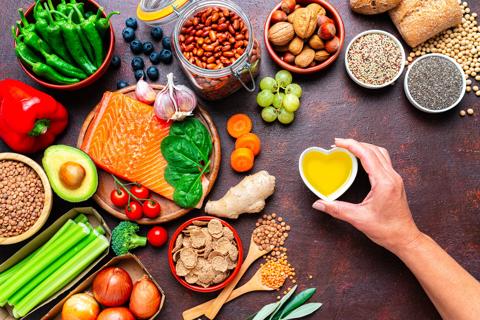
Eating more natural, whole foods can help lower your risk of heart and cardiovascular diseases

Keto can reduce blood sugar, but that doesn’t mean it’s right for everyone

Cravings are a natural response to hormonal changes, but giving into them may make you feel worse

This ‘harm reduction’ approach to sobriety involves subbing one substance for another — a method that isn’t backed by research
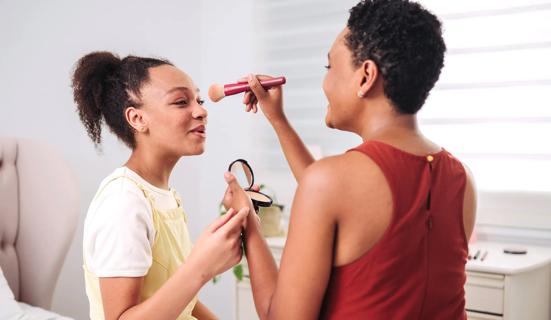
Educate your child about body image, expectations and skin care first

A true chlorine allergy is extremely rare — it’s far more likely that you have a damaged skin barrier











