Locations:





 Search
Over-the-counter products and other remedies for keratosis pilaris
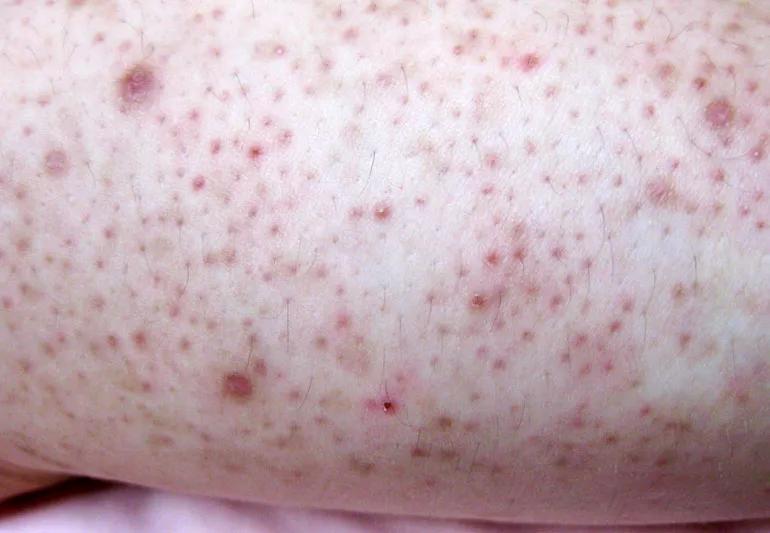
Image content: This image is available to view online.
View image online (https://assets.clevelandclinic.org/transform/231442bf-a391-4491-a8e4-1221dbfa1bad/KP-skinBumps-507545471-770x553_jpg)
Bumps on arm keratosis pilaris
Long ago, a common skin condition known as keratosis pilaris earned the nickname “chicken skin” given its similarity to the surface of a freshly plucked bird. Now odds are you’ve never seen a deplumed chicken … but you know it can’t look good, right?
Advertisement
Cleveland Clinic is a non-profit academic medical center. Advertising on our site helps support our mission. We do not endorse non-Cleveland Clinic products or services. Policy
Keratosis pilaris, or KP, typically dots your skin with discolored bumps that can be very noticeable. The itchy, rough, dry bumps may also make your skin feel like sandpaper.
The good news? KP is totally harmless, says dermatologist Alok Vij, MD.
The bad news? That doesn’t make the unsightly speckles any less annoying. KP can often clear up over time, but there are ways to reduce the symptoms for those who don’t want to wait. Dr. Vij offers some suggestions to banish the bumps.
KP occurs when keratin, a protein in skin, builds up around your hair follicles. The bumps are actually collections of dead skin cells blocking your pores.
The bumps can be skin-colored or shades of white, brown or red. These splotchy spots most often form on your upper arms. But they can show up in other areas of your body, too, including your thighs and face.
KP is most common in babies, teenagers and young adults, says Dr. Vij. Sometimes, the condition has staying power and can linger into your 30s.
People with other skin conditions, such as eczema, also are more likely to develop KP. Genetics also may play a role in developing KP. High body weight or asthma could be contributing factors, too.
There’s no cure for KP other than time, says Dr. Vij. However, there are ways to make your time with the condition a little better and the bumps a little less noticeable.
Advertisement
The best approach to try and smooth over a KP problem? Moisturize. Dr. Vij recommends looking for over-the-counter skin lotions and creams that feature any of the following three ingredients:
Dry skin can make KP symptoms worse. Here are two ways aside from moisturizing to keep your skin hydrated:
Friction is not a friend of your skin — and that’s especially true if you’re dealing with KP. Tight-fitting clothes can irritate skin and amp up KP symptoms. Try to avoid wearing garments that rub and aggravate the bumps.
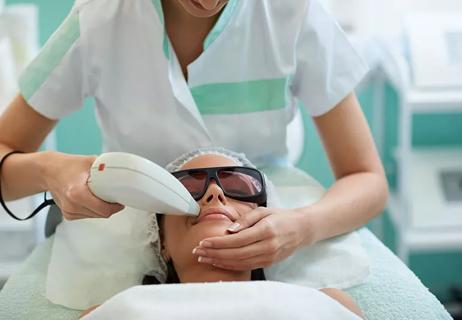
Some people with KP are more bothered by the redness than the roughness — especially those with fair skin and those who have the bumps on their face. In those cases, laser treatments done in a dermatologist’s office can help fade the red, Dr. Vij says.
Getting rid of KP takes some patience. Dr. Vij recommends:
You may need some trial and error to get rid of so-called chicken skin. And once you find a lotion, cream or treatment that works, you’ll likely have to keep using it to keep KP at bay. But with these extra steps, clearer skin can be had.
Advertisement

Sign up for our Health Essentials emails for expert guidance on nutrition, fitness, sleep, skin care and more.
Learn more about our editorial process.
Advertisement
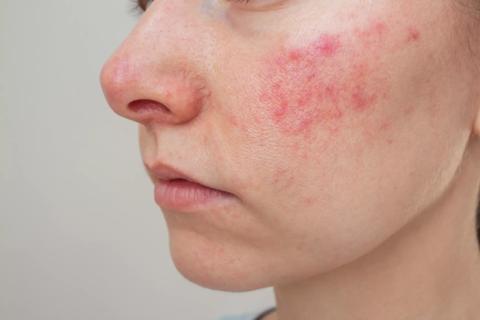
You can turn down the redness and soothe the irritation with natural remedies like green tea, raw honey and aloe vera
The upper lip discoloration is caused by factors like sun exposure, hormones and medications
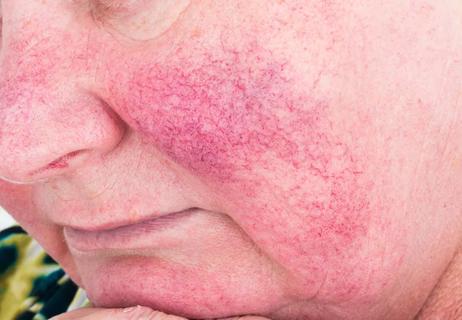
Learn about 5 common triggers, treatments & risk factors

Avoid at-home options and trust medical professionals to cut, burn or freeze off skin tags
Sweat less by using antiperspirant, wearing breathable fabrics and talking to a provider about medical options
Stress, tight clothing and even sunlight can cause this itchy condition

Treatment is tailored to you and may involve medications like antihistamines, corticosteroids or antidepressants
OTC medications, loose clothing, sun protection and other health habits can help manage flares

This ‘harm reduction’ approach to sobriety involves subbing one substance for another — a method that isn’t backed by research
Educate your child about body image, expectations and skin care first

A true chlorine allergy is extremely rare — it’s far more likely that you have a damaged skin barrier











