Locations:





 Search
Feeling lonely may increase your risk of cardiovascular disease, depression and high blood pressure
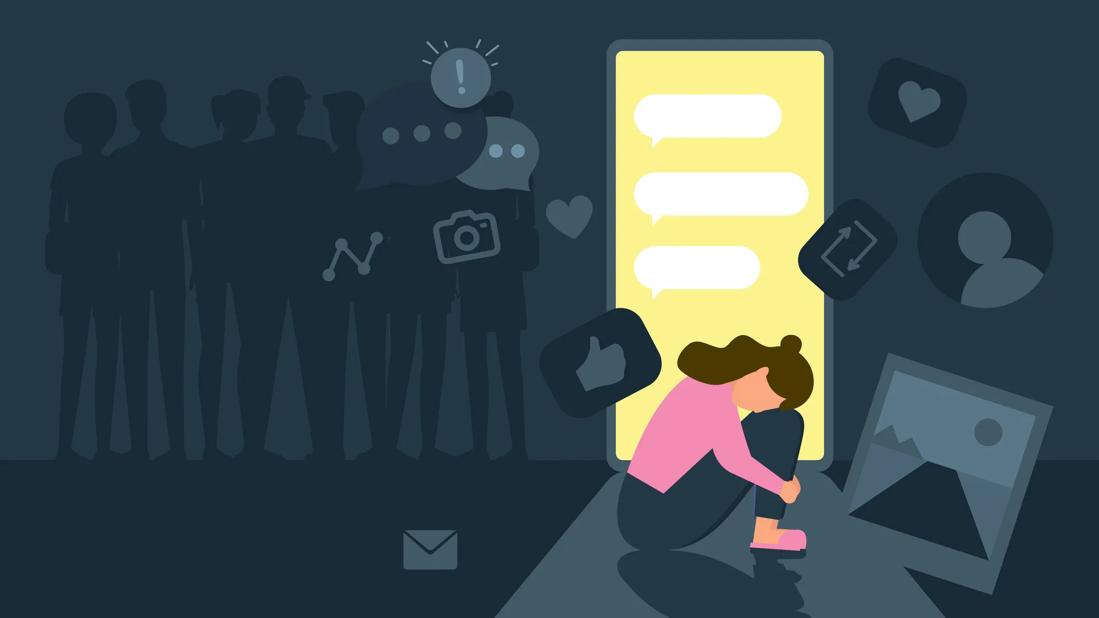
With all the convenient ways you can connect with others — like texting or using social media sites like Facebook, Instagram and TikTok — you’d think it would be hard for someone to be lonely.
Advertisement
Cleveland Clinic is a non-profit academic medical center. Advertising on our site helps support our mission. We do not endorse non-Cleveland Clinic products or services. Policy
But that’s not the case.
In 2023, the U.S. Surgeon General issued an advisory on the effects of loneliness and social isolation. According to the advisory, more than half of all Americans have reported feelings of loneliness daily. And while Americans of all ages are spending less time connecting in person, that disconnect is more common in people ages 15 to 24.
“Loneliness is an epidemic,” says psychologist Amy Sullivan, PsyD. “We’re the most socially connected society, yet so many people experience extreme loneliness.”
The problem of loneliness has a surprising impact — it can drill into both mental and physical health, says Dr. Sullivan. In fact, the advisory cites research that the impact of loneliness and feeling socially disconnected is similar to smoking 15 cigarettes a day.
“Loneliness is a universal human emotion. We all feel lonely at times,” adds psychologist Adam Borland, PsyD. “We have to recognize when we have that desire for human connection. We’re social creatures, and when we don’t have that opportunity, that’s where loneliness comes into play.”
Dr. Sullivan and Dr. Borland explain how loneliness can impact your health and share ways to manage loneliness.
We all can feel lonely at different times in our lives. It’s not necessarily about being physically alone, it’s more about feeling alone. Think of it as a state of mind — you want to have social connection and interaction with others but feel alone.
Advertisement
Dr. Sullivan points out that loneliness isn’t the same thing as social isolation. It’s more about how you perceive your level of connectedness to others.
“Someone who’s socially isolated and doesn’t have a lot of social contacts may not feel lonely at all, but someone else may feel lonely even when they’re surrounded by lots of people,” she clarifies.
And while feeling lonely is an unpleasant experience, it can also have long-term health consequences.
“When you’re experiencing loneliness, your levels of cortisol, a stress hormone, go up,” she explains. “Cortisol can impair cognitive performance, compromise the immune system, and increase your risk for vascular problems, inflammation and heart disease.”
When you think of all the things you do to be healthy, like eating a balanced diet, exercising and getting enough sleep, you may not immediately think of how maintaining social connections can benefit or prevent certain health conditions.
But loneliness — and the increase of cortisol that comes with it — can have a negative impact on your health.
“We know clearly that sitting, smoking and obesity are linked to chronic disease,” Dr. Sullivan says. “But I think of loneliness as another risk factor for chronic health conditions.”
The health risks associated with loneliness include:
“We know the effect stress has on the body and loneliness is extremely stressful,” adds Dr. Borland. “If we’re experiencing loneliness, we don’t necessarily take care of ourselves the way we should. And that can lead to health issues.”
So, how can you manage your feelings of loneliness? Dr. Sullivan and Dr. Borland suggest the following to help turn loneliness around.
It’s normal to feel lonely occasionally, but if you’re noticing that you feel lonely more often than not, it’s time to take action. Dr. Borland suggests reaching out to others and trying to strike up a conversation. Consider volunteering, joining a book club or signing up for a sports league.
“This may require you to step outside your comfort zone,” he notes. “If you don’t have others that you can reach out to, there are organizations that you can get involved with.”
Many people who take care of their health by eating well and exercising ignore this important aspect of wellness. But social connection is just as important as following a healthy diet and getting enough sleep.
Advertisement
“Create and maintain a healthy daily routine,” suggests Dr. Borland. “This can include exercise, meditation, a healthy diet and focusing on gratitude.”
Some examples? Plan to spend time with a friend instead of catching up via text. Even opting for a phone conversation over an email can help you feel more connected.
Small daily decisions can also help.
Make a point of walking down the hall to speak to a coworker instead of sending an instant message or email.
Maybe it’s buying someone coffee or sending a thoughtful, hand-written note to a friend. And as you give to others, it also takes your mind off yourself.
“Those kinds of things are really powerful and help to improve your connection,” emphasizes Dr. Sullivan.
Scrolling through your friends’ feeds isn’t a replacement for real, in-person interaction.
“What we find is that when people pull back from social media, they become much more intentional in seeking out real relationships,” says Dr. Sullivan.
A coffee date with a friend with whom you have an authentic connection will do more to quell your loneliness than having thousands of Facebook friends or Instagram followers.
“When we look at social media, it’s this sense of a connection but it’s not that deep. We’re missing that personal interaction that we can only get when we’re together,” says Dr. Borland. “You may have a lot of ‘friends’ on social media, however, there’s no depth to that.”
Advertisement
Remember that loneliness can happen to anyone regardless of age, sex or race.
Feeling lonely is sometimes a symptom of depression. A therapist can help you work through this and develop strategies for reconnecting with others. And sometimes, loneliness can become a difficult rut to get out of, but speaking with a healthcare professional can help.
“I think it can be scary for people to reach out,” recognizes Dr. Sullivan. “If you put yourself out there, then there’s a risk of rejection. But in the end, the payoff is much greater than the risk.”
Advertisement
Sign up for our Health Essentials emails for expert guidance on nutrition, fitness, sleep, skin care and more.
Learn more about our editorial process.
Advertisement

Burnout is often driven by long periods of stress without time to recover — but practicing self-care and creating work/life boundaries can help
If you’re torn between contradictory beliefs, questioning your decisions or feeling ashamed about your choices, you may be experiencing cognitive dissonance

This theory of human motivation says people seek to meet their needs in a predictable order
This trendy practice may boost your physical and mental health — but done incorrectly, it could make things worse
Only some people experience autonomous sensory meridian responses, but it can be beneficial to those who do
You can address negative thinking by reframing the situation, asking for help when you’re stuck and giving yourself some grace

The power of positive thinking can influence your physical, mental and emotional health

Speaking, thinking or writing these affirming statements can help boost confidence, reduce anxiety and overcome self-doubt
Even small moments of time outdoors can help reduce stress, boost mood and restore a sense of calm

A correct prescription helps your eyes see clearly — but as natural changes occur, you may need stronger or different eyeglasses

Both are medical emergencies, but they are very distinct events with different causes











