Locations:





 Search
The short answer from a dermatologist
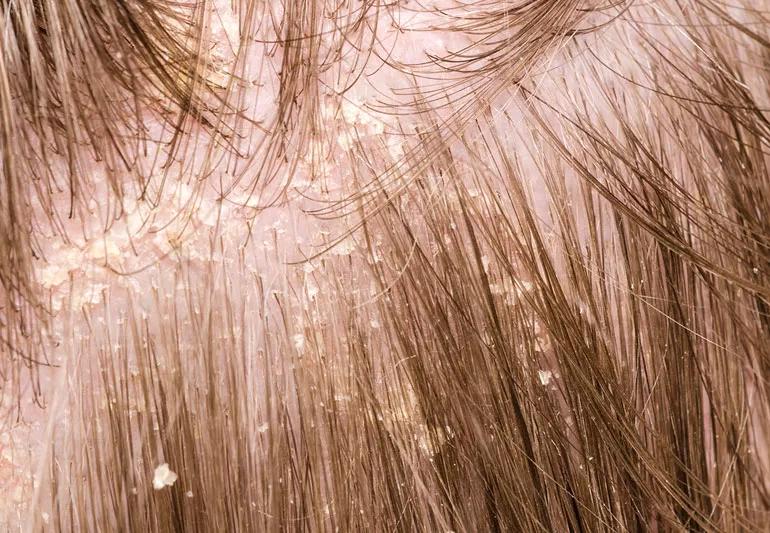
Image content: This image is available to view online.
View image online (https://assets.clevelandclinic.org/transform/43f02ec1-1de2-4e03-8f18-e9951852d616/dandruff-183996925-770x533-1_jpg)
Dandruff in hair
Video content: This video is available to watch online.
View video online (https://cdnapisec.kaltura.com/p/2207941/sp/220794100/playManifest/entryId/1_rzfaco1p/flavorId/1_5f3sgelj/format/url/protocol/https/a.mp4)
Learn three effective ways to manage dandruff.
A: Skin or scalp dandruff (also called seborrheic dermatitis) is very common. In fact, about 11% of the population has this condition. We see it not just on the scalp, but also on the eyebrows, around the nose, on the ears and chest and around the mouth. Having dandruff doesn’t mean the skin is dirty or infected.
Advertisement
Cleveland Clinic is a non-profit academic medical center. Advertising on our site helps support our mission. We do not endorse non-Cleveland Clinic products or services. Policy
Typically, we first treat seborrheic dermatitis with anti-dandruff shampoos that you can buy over the counter. For resistant cases, however, we may prescribe an antifungal product called ketoconazole (Nizoral®), available in a 2% formulation as a shampoo or cream. We may also prescribe you medicated foam, cream or solution.
What’s most important is to realize that this condition is intermittent and chronic — meaning it comes and goes over long periods of time. Continuing to use the medications recommended to you will help minimize the recurrence of this otherwise chronic condition.
— Dermatologist Christine Poblete-Lopez, MD
Advertisement

Sign up for our Health Essentials emails for expert guidance on nutrition, fitness, sleep, skin care and more.
Learn more about our editorial process.
Advertisement

Dandruff, allergic reactions and lice can get you scratching your head
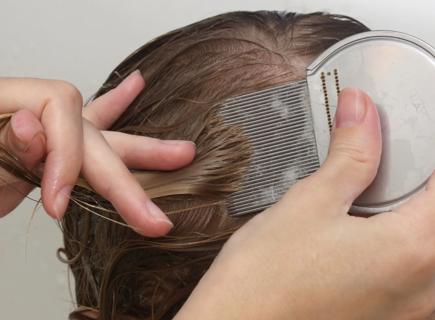
Lice don’t jump — but they can spread with direct head contact
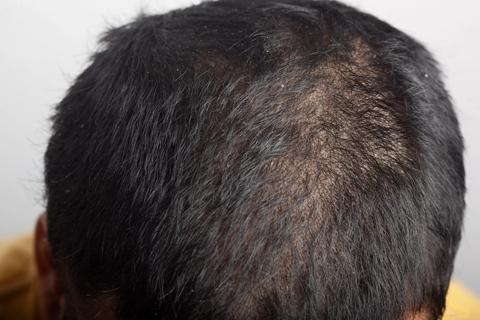
Calm an itchy scalp by using medicated shampoo, avoiding blow-drying and resisting the urge to scratch

Excessive exposure to saltwater can dehydrate skin and hair, despite having a few benefits
A fresh water rinse before and after swimming can go a long way
The sooner you address hair loss, the better your chances of preserving — and even regrowing — it

Genetics, hormones and aging are usually responsible, but treatments can help slow hair loss and even encourage regrowth
Natural shedding, alopecia and stress are just a few possible reasons for hair loss

Gradually increasing your training, choosing proper footwear and listening to your body can help keep shin pain from sidelining your workouts

Self-stimulating behaviors can help you self-regulate or cope with intense emotions
At-home remedies may help calm symptoms and make it easier to relax at bedtime











