Locations:





You don’t have to wait until you have symptoms of heart disease to seek cardiology care

Image content: This image is available to view online.
View image online (https://assets.clevelandclinic.org/transform/72455625-fb2d-4b71-af09-b244b0484e8d/cardiologist-2184805830)
Smiling healthcare provider talking with patient at desk
You know how important it is to have a healthy heart. But when should you see a cardiologist? That decision can be tricky, especially if you don’t have concerning symptoms or don’t know all the different things these specialists can offer.
Advertisement
Cleveland Clinic is a non-profit academic medical center. Advertising on our site helps support our mission. We do not endorse non-Cleveland Clinic products or services. Policy
Interventional cardiologist Grant Reed, MD, MSc, shares common reasons to see a cardiologist, as well as what these specialists do.
Why see a cardiologist? The short answer is that heart and blood vessel specialists see people of all ages for many different reasons. Some people may need to start seeing a specialist from a young age, while others may not need to start seeing one until much later, if ever. Whether you need to see one is worth discussing with your primary care provider.
“We see people both for prevention and treatment of cardiac issues,” says Dr. Reed. “My job isn’t just to help when a problem occurs. I also try to prevent problems before they start, and help you make the best decisions about your options to prevent and treat cardiac disease.”
Here are some common reasons you might see a cardiologist.
If your biological family has a strong family history of heart disease, you might see a cardiologist to help you identify and address potential long-term risk factors.
“It’s extra important to make an appointment if a biological family member dies unexpectedly from a heart-related condition, especially before age 50,” Dr. Reed says.
Certain medical conditions are known to increase heart disease risk. If you have a chronic illness, your primary care provider may want you to start working with a specialist early to prevent cardiac complications. You may be referred if you have a condition like:
Advertisement
Dr. Reed recommends coming prepared to talk about your health — both how it is now and your past history. Better still: Bring a copy of your medical records.
“We’ll discuss both your chronic conditions and general health topics, like eating habits, exercise, stress management, smoking and sleep,” he says. “That conversation helps us frame your cardiovascular risk.”
Managing chronic conditions — through lifestyle changes, regular doctor appointments and, in some cases, medication — may help you avoid a heart disease diagnosis down the line.
Cardiologists often see people for symptoms that could point to heart issues. Your primary care provider is likely to send you to a cardiologist if you have:
“If you’re experiencing heart-related symptoms, think about how to describe them,” Dr. Reed advises. “It’s also helpful to share when your symptoms started, whether they’ve been worsening over time and what (if anything) helps you feel better when you experience them.”
If your symptoms are rapidly getting worse, go to the emergency room (ER), as this could indicate a serious problem with your heart.
“The tipping point is different in everyone. But if your symptoms aren’t going away, seek medical attention,” he urges. “You know your body. If something’s out of the ordinary or you can tell something just isn’t right, don’t take a chance. Seek medical attention.”
Why would someone need to see a cardiologist if they haven’t been diagnosed with a heart condition and don’t have a family history of heart disease?
Based on your medical history, you may need to see a cardiologist for regular check-ups, just to make sure all is still well. This can happen if you’ve had:
Some healthcare plans allow you to see a cardiologist without a referral, but it’s more common to be connected through another healthcare provider, usually your primary care provider (PCP).
Advertisement
“Referrals typically happen because you tell your PCP about a heart health concern or a worrisome symptom,” Dr. Reed explains.
But your PCP isn’t the only medical professional who can connect you with a cardiologist. You may also be referred:
“We treat a wide range of different diagnoses,” Dr. Reed says. “We take care of people with long-term, chronic conditions, like heart failure or valvular heart disease. We also address acute conditions, like infections and heart attacks, which are when people need care the most urgently.”
Advertisement
Common issues that cardiologists treat include:
Making the decision to talk to a healthcare provider about your heart can be scary. When your ticker’s involved, even little concerns can feel big. But the same worries that might keep you from picking up the phone are the ones that are best addressed by a cardiologist.
“A lot of what I do is counseling people through lifestyle changes and helping them make decisions regarding treatment options. But heart doctors are also here to address or dispel your concerns,” Dr. Reed reassures. “It’s totally understandable to be anxious about your heart health — it’s obviously important. But you don’t have to navigate cardiac issues alone. We’re in your corner.”
Advertisement

Sign up for our Health Essentials emails for expert guidance on nutrition, fitness, sleep, skin care and more.
Learn more about our editorial process.
Advertisement

Focus on what you eat, how well you sleep and your physical activity to help keep your ticker in tip-top shape

Eating more natural, whole foods can help lower your risk of heart and cardiovascular diseases

Age, sex and genetics are just a few factors that can affect your risk of developing coronary artery disease

Move a little more, eat a little healthier, sleep a little better and destress a lot

The Mediterranean diet, DASH diet or more plant-based eating plans can improve heart health

Having underweight, having overweight and having obesity can be dangerous for your heart

Avoid smoking, eat a good diet and exercise to prevent your heart from aging prematurely
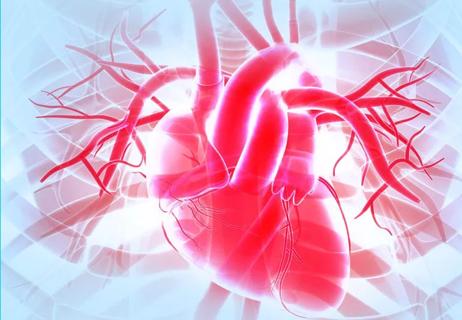
Your life depends on this incredible organ doing its job 24/7

Managing your weight through physical activity may lower your chances of getting this common cancer

It typically starts in October and winds down in early spring, with cases at their highest in the middle of winter

Anxiety disorders, health conditions and past trauma can make driving nerve-wracking — help is available
 Search










