Locations:





The photic sneeze reflex is a surprisingly common reaction to bright lights

Image content: This image is available to view online.
View image online (https://assets.clevelandclinic.org/transform/3bb5bfb1-227e-48c3-8ae4-fb979d561c95/coughing-into-arm-1227594166)
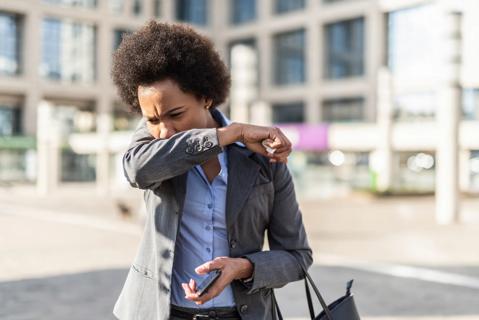
Person coughing into arm under the influence of the sun
There’s just something about a sunny day that makes you feel … like sneezing? That’s a reality for a surprising number of people with a condition known as ACHOO syndrome. They literally sneeze when they see the sun or any other bright light.
Advertisement
Cleveland Clinic is a non-profit academic medical center. Advertising on our site helps support our mission. We do not endorse non-Cleveland Clinic products or services. Policy
So, why does this happen and what can be done about it? We talked to allergist Dylan Timberlake, MD, to find out.
ACHOO syndrome is a reflex in which a person sneezes once or a few times when suddenly exposed to bright light, especially sunlight. Basically, it’s an exaggerated response to something that shouldn’t cause issues.
And the funny name? Well, ACHOO is an acronym for a wordy and more formal title — Autosomal dominant Compelling Helio-Ophthalmic Outburst.
The condition is also known as photic sneeze reflex, as well as sun sneezing and photosneezia.
Typically, a sneeze is a response to some sort of nasal irritation. Examples include infections, congestion or nose-tickling triggers like pollen or pepper.
But a sun-driven sneeze originates in your brain. Exposure to a bright stimulus seems to activate a sneeze pathway in your brain that runs between nerve circuits around your eyes and nose.
“These circuits ‘cross-talk’ with each other and convince your brain a sneeze is needed, even though it’s not,” explains Dr. Timberlake. “The reaction is typically immediate and short-lived. Once you sneeze, it’s over — at least until the next exposure.”
ACHOO syndrome usually strikes on initial exposure to the sun or very bright light. It’s most common when moving from a darker to a lighter environment, like walking outside or driving out of a tunnel.
Advertisement
A camera flash or turning on bright indoor lights can bring on sneezing, too.
While sneezing at the sight of the sun might sound odd, it doesn’t appear to be that unusual.
It’s estimated that 18% to 35% of us have ACHOO syndrome. (Higher than you thought, right?) But there aren’t many robust studies on the photic sneeze reflex, so there’s debate about the numbers.
An older study found that solar sneezing is more common in people who are white, especially women. Having a deviated septum may also be a contributing factor.
ACHOO syndrome is a dominant genetic trait, which means you have a 50% chance of inheriting the condition if one of your biological parents has it.
The act of sneezing after your eyes catch a glimpse of bright light isn’t inherently dangerous. But what is dangerous is sneezing uncontrollably in high-risk situations that need focus, like when you’re driving.
That sort of bad timing happens, too: One case study documented a 26-year-old involved in THREE crashes linked to sunlight-induced sneezing fits.
“Uncontrollable sneezing can cause problems or be inconvenient in certain situations,” notes Dr. Timberlake. “You certainly wouldn’t want it to happen when you’re behind the wheel or operating heavy machinery.”
Other dicey moments created by ACHOO syndrome include sneezing during eye or dental procedures due to bright light usage. (We probably don’t need to explain why that could turn out badly.)
Some photic sneezers also react to certain kinds of anesthesia given for procedures.
Given the above, Dr. Timberlake says it’s important to let your healthcare providers know that bright lights may trigger sneezing before they start procedures. (Anesthesia use may make you more sensitive to a photic sneeze reflex, too.)
There’s no specific treatment for ACHOO syndrome, but Dr. Timberlake says there are three different tactics that may be worth trying to reduce bouts of solar-powered sneezing.
Advertisement
“Managing ACHOO syndrome is mostly about knowing your triggers and being prepared,” says Dr. Timberlake. “You know that a sneeze might be coming in certain situations. It’s best to be ready for it.”
Advertisement

Sign up for our Health Essentials emails for expert guidance on nutrition, fitness, sleep, skin care and more.
Learn more about our editorial process.
Advertisement
No, but it momentarily slows down during this involuntary body function
If you’re sneezing, you’re definitely awake — you just don’t realize it
It’s best to allow yourself to sneeze naturally, and cover your mouth and nose with a tissue or turn into your elbow to help prevent the spread of germs
Research on whether glyphosate increases cancer risk is mixed, but you can take steps to limit your exposure

The sun’s sneaky rays can cause temporary eye damage or raise your risk for future problems

Excessive exposure to saltwater can dehydrate skin and hair, despite having a few benefits

Bright bathing suit colors can make kids easier to see in pools, lakes and oceans — but color is only one part of water safety
UVA rays from tanning beds increase your risk of skin cancer, wrinkles and eye damage

Managing your weight through physical activity may lower your chances of getting this common cancer
It typically starts in October and winds down in early spring, with cases at their highest in the middle of winter
Anxiety disorders, health conditions and past trauma can make driving nerve-wracking — help is available
 Search










