Locations:





 Search
Sleep disorders, mental health conditions and other health concerns can all affect the quality of your sleep
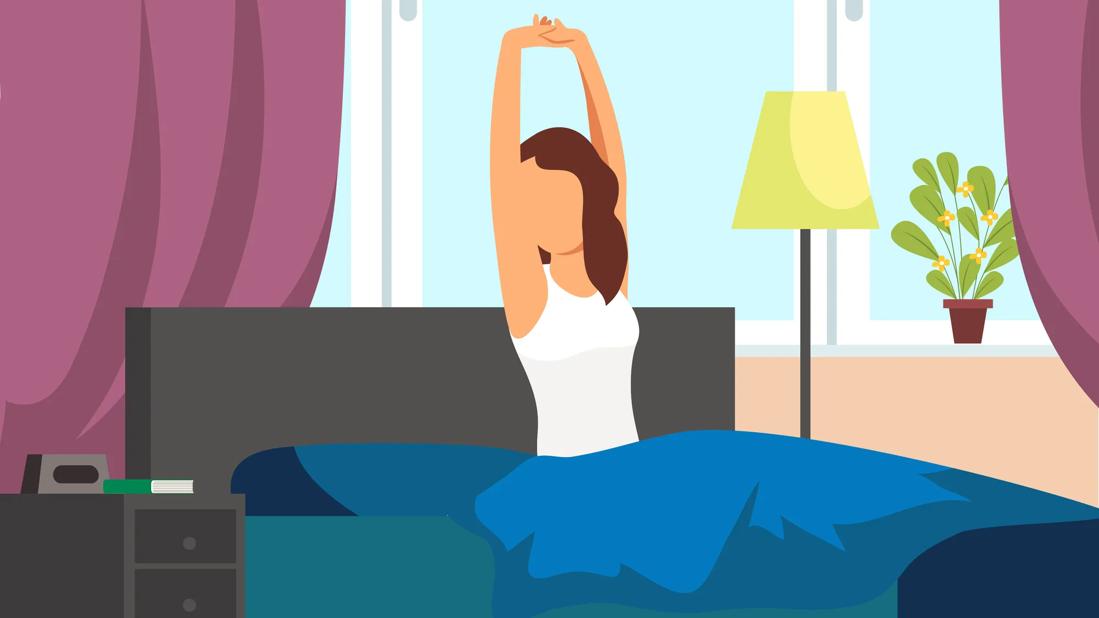
Image content: This image is available to view online.
View image online (https://assets.clevelandclinic.org/transform/a6ea6a6e-0cc2-40ae-acc7-fcac7163bc58/wake-up-tired-1285928015)
Person in bed, waking up tired, stretching
You’re going to bed at a reasonable time and clocking a solid seven to nine hours … but still, you wake up tired. Shouldn’t more sleep equal more energy?
Advertisement
Cleveland Clinic is a non-profit academic medical center. Advertising on our site helps support our mission. We do not endorse non-Cleveland Clinic products or services. Policy
Not always.
The truth is, how you sleep matters just as much as how long you sleep. Sleep medicine specialist Alicia Roth, PhD, explains what could be interfering with your ZZZs to leave you drowsy the next day.
If you regularly wake up exhausted despite seemingly getting enough sleep, one (or more) of these factors may be at play.
If you’re feeling foggy and tired during the day, it could be a sign of an underlying sleep disorder, like sleep apnea.
“Sleep apnea is a condition where you either stop breathing or don’t breathe as well as you could while you sleep,” Dr. Roth explains. “This can lead to a lot of awakenings in the middle of the night that you may not even be aware of.”
Even if you don’t fully wake up, your brain may repeatedly shift into a lighter stage of sleep to keep you breathing. That constant interruption can keep you from reaching deep, restorative sleep. And that can leave you tired the next day.
Other sleep disorders that may contribute to daytime fatigue include:
Fatigue isn’t always caused by sleep alone.
“Other factors, like chronic medical conditions or hormonal changes — including those that happen during menopause — can lead to feeling fatigued or unrefreshed during the day, regardless of how much sleep you get,” Dr. Roth says.
Advertisement
Having bloodwork done can sometimes reveal issues like:
Your bedroom setup may be quietly sabotaging your sleep. Factors like noise, light and temperature can all influence how deeply you sleep. A room that’s too warm, bright or noisy can cause frequent micro-awakenings throughout the night, even if you don’t realize it.
“Excessive light can prevent your body’s natural melatonin level from getting as high as it should to ready you for sleep,” Dr. Roth says.
And electronics can play a role, too, especially if you’re prone to using them in bed.
“It’s not necessarily even the screens themselves,” she notes. “It’s that using screens while you’re in bed that can interrupt your ability to feel sleepy and fall asleep. Your brain starts to associate bed with screen time instead of with sleep.”
What you consume can affect the quality of your sleep — and so can when you consume it. Eating a big meal too close to bedtime, for example, can play a role.
“When you eat a big meal, the digestion process revs up a system that should be shutting down for sleep,” Dr. Roth explains. “That can interrupt the quality of your sleep.”
That doesn’t mean you should go to bed hungry — just that sticking to smaller portions around bedtime can help you sleep better at night.
What you drink can make a difference, too.
“A lot of people say caffeine doesn’t affect them because they can fall asleep just fine,” she adds. “But it can still interfere with your brain’s ability to reach deep sleep.”
And while drinking alcohol before bed may help you fall asleep faster, it often fragments sleep later in the night. Have your last drink at least two hours before you turn in, Dr. Roth advises.
Mental health and sleep are deeply connected.
“Even run-of-the-mill stress and anxiety can make our brains more hypervigilant at night,” Dr. Roth says. “That can prevent the automatic process of falling asleep from happening.”
Other mental health conditions and mood disorders — including depression and bipolar disorder — can also disrupt sleep and contribute to lasting fatigue.
An iron deficiency can sometimes contribute to fatigue by triggering restless legs syndrome (RLS).
“We know that low iron can be responsible for RLS, which makes you feel a sensation in your legs that can only be relieved with movement,” Dr. Roth says. “In turn, that can cause sleep disruption that makes your sleep feel unrestorative.”
Advertisement
Only a healthcare provider can determine whether you’re experiencing an iron deficiency that could be contributing to your symptoms.
Yes — sleeping too much can sometimes backfire.
“Usually, we say over nine hours can make you feel more tired and less energetic than if you’d gotten less sleep,” Dr. Roth says.
That doesn’t mean long sleep is always a problem. Some people naturally need more sleep than others, and it’s especially common to need more if you’re recovering from an illness.
If you’re regularly sleeping for 10 or more hours and still feeling unrefreshed, it could signal an underlying issue.
If you continue to wake up tired despite getting enough sleep, start by improving your sleep hygiene. This means making changes, if needed, to your sleep environment and the timing of your meals.
But if these lifestyle tweaks don’t help and you’re still waking up tired, Dr. Roth recommends reaching out to a healthcare provider sooner rather than later.
“They’ll want to try to look into possibilities like sleep apnea, thyroid issues and hormone imbalances,” she says. “They may recommend a sleep study or bloodwork.”
Sleep is a cornerstone of your overall health. So, if you’re clocking enough hours each night but your body keeps telling you something isn’t right, it’s important to listen.
Advertisement
Advertisement

Sign up for our Health Essentials emails for expert guidance on nutrition, fitness, sleep, skin care and more.
Learn more about our editorial process.
Advertisement

These brief episodes of sleep last only seconds, but they can have serious consequences when they happen at the wrong time

Your chronotype reflects when your body naturally wants to sleep and wake — and why your energy peaks when it does

Putting on socks at night can help regulate your core body temperature to bring on ZZZs
The term refers to how long it takes you to fall asleep, which can be a key factor in overall sleep quality

A little ‘prep work’ before going to bed can help you get the quality sleep your body needs

Sleep masks can help you create total darkness so you can sleep better

To avoid sleep deprivation and shift work sleep disorder, try adopting habits that minimize light exposure and prioritize daytime sleep
Most people fall asleep within 10 to 20 minutes, but if your experience is different, adjusting your sleep schedule may help

Gradually increasing your training, choosing proper footwear and listening to your body can help keep shin pain from sidelining your workouts

Self-stimulating behaviors can help you self-regulate or cope with intense emotions
At-home remedies may help calm symptoms and make it easier to relax at bedtime











