Locations:





For most people, the risks outweigh the possible benefits
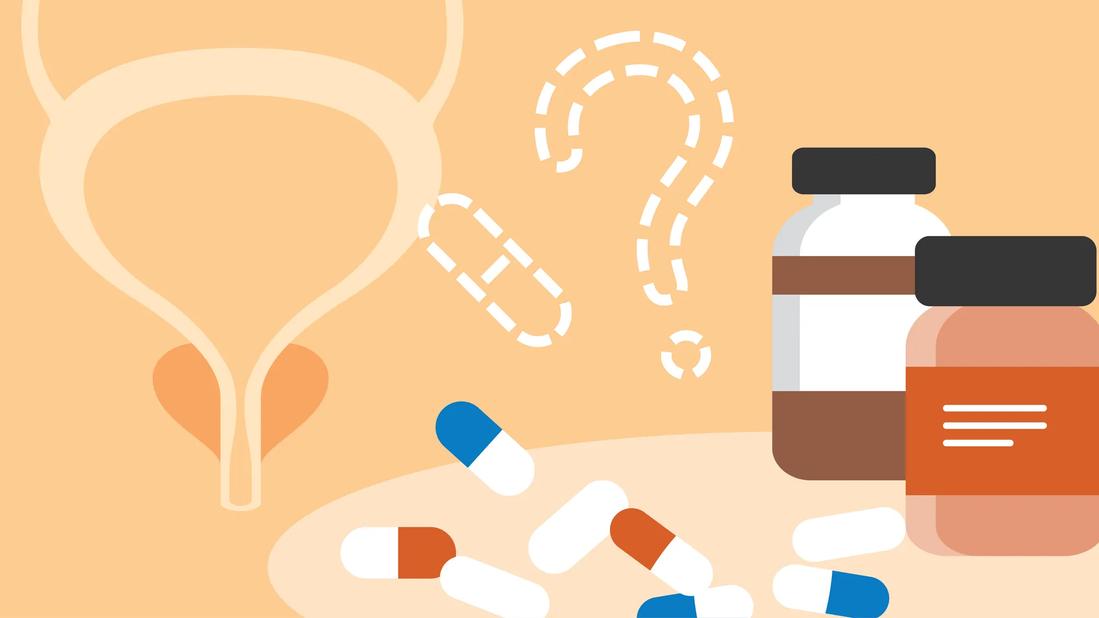
Image content: This image is available to view online.
View image online (https://assets.clevelandclinic.org/transform/46375f61-2056-45f4-b0aa-f81fe55a2edd/pills-bottle-question-1217004823)
Bottles of medications and supplements, with capsules and pills, prostate and question mark
If you’ve watched a loved one struggle with prostate disease, you may have thought about taking a prostate health supplement to prevent going through it yourself.
Advertisement
Cleveland Clinic is a non-profit academic medical center. Advertising on our site helps support our mission. We do not endorse non-Cleveland Clinic products or services. Policy
But do those products really work? Let’s look at the claims with urologist Brad Gill, MD.
Prostate health supplements are over-the-counter products sold to support healthy prostate function as you age. People often take them because they’re touted as a natural way to:
Prostate supplements are a big business, but Dr. Gill explains that they aren’t backed by the scientific research — or federal regulations — that prescription drugs are.
“I can give you a prescription medication to shrink your prostate. And I know you’re getting 5 milligrams in every pill,” he explains. “But if you take an over-the-counter supplement, you can’t be sure what's in it, or if it’ll actually work.”
There’s no shortage of supplement suggestions for prostate health if you look it up online. Here are the most common ones that come up — and what you should know about each:
Advertisement
Those are some of the best-studied ingredients found in prostate health supplements. You may also hear hype around:
Dr. Gill says there’s not enough evidence to know if these substances are safe or helpful.
But do they actually work?
“If a proven prostate health supplement existed, we’d all be taking it,” he notes. “But the evidence is fairly weak or lacking.”
Based on the current science, the risks outweigh any possible benefits.
If you’re thinking of taking a prostate health supplement, Dr. Gill warns that you can’t be sure about the product’s ingredients, strength or purity. That’s because the U.S. Food and Drug Administration (FDA) doesn’t regulate supplements for quality and safety like they do prescription medications.
“We can’t know for sure what effect that supplement may have,” he emphasizes. “Doses can vary from batch to batch and from one manufacturer to another.”
Dr. Gill recommends talking with your doctor before starting a supplement to make sure it’s safe and won’t interact with other medications you take.
“It’s very rare for vitamins and supplements, used at recommended doses, to be dangerous. But using too much of certain compounds or getting too high a dose can lead to serious medical problems,” he adds. “It’s best to be careful.”
You’re not going to find the key to long-term prostate health in the supplement aisle. Instead, experts recommend that you:
The best thing you can do? Speak up if it’s getting harder to pee, there’s blood in your urine or something just doesn’t feel right.
Advertisement
“Come in and get it checked out. Let us help you figure out whether it’s dangerous or problematic,” Dr. Gill urges. “The most important thing is not to ignore it.”
Advertisement

Sign up for our Health Essentials emails for expert guidance on nutrition, fitness, sleep, skin care and more.
Learn more about our editorial process.
Advertisement

Trouble peeing and leaking urine are common indicators of prostate gland issues

A prostate massage is used most often for sexual stimulation
Foods that can help, and harm, your prostate

This South Pacific plant is often promoted for stress relief and relaxation, but there are a few things you should know before trying it
There’s limited research on whether the supplement can help you snooze — adopting proven sleep habits may be a better place to start

Most penis-enlargement products, devices and procedures deliver only modest (if any) gains
This imaging can help your care team see where the cancer has spread and determine the best treatment for you

The compound that gives chili peppers their kick may support your health — and even help relieve certain types of pain

Managing your weight through physical activity may lower your chances of getting this common cancer

It typically starts in October and winds down in early spring, with cases at their highest in the middle of winter

Anxiety disorders, health conditions and past trauma can make driving nerve-wracking — help is available
 Search










