Locations:





 Search
Your period may return weeks or months after delivery — it can be heavier, lighter or no different from before
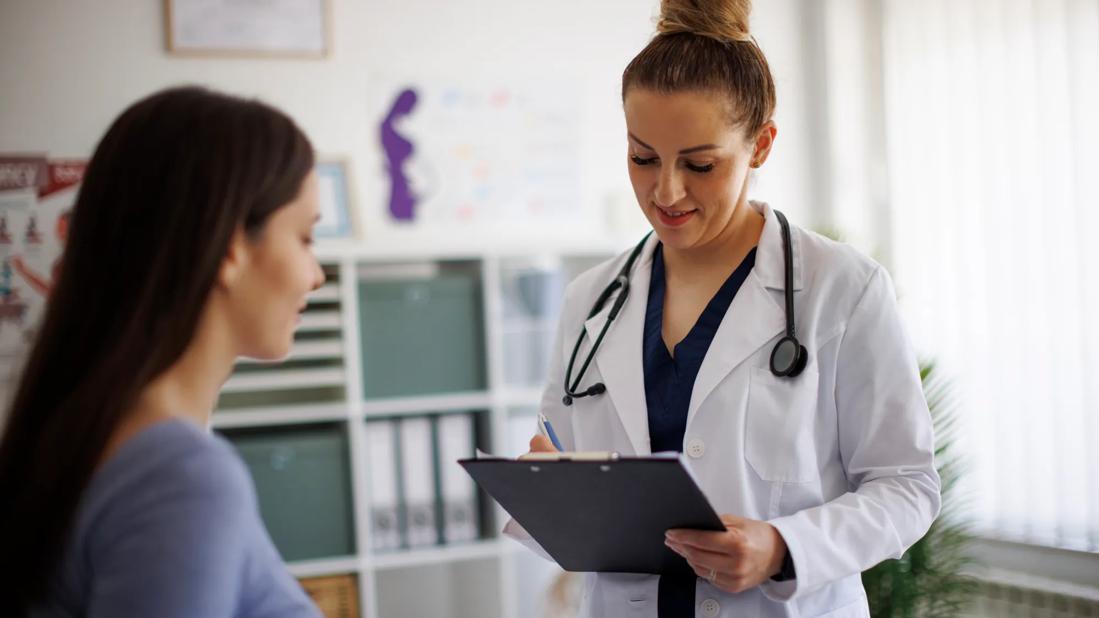
Image content: This image is available to view online.
View image online (https://assets.clevelandclinic.org/transform/087c706f-6394-4259-9344-fd7ab66fedbf/post-pregnancy-appointment-2269071794)
Woman talking with Ob/Gyn
There’s no doubt that pregnancy changes a lot about your body. And after your baby arrives, things may still be different from before. Including your menstrual cycle.
Advertisement
Cleveland Clinic is a non-profit academic medical center. Advertising on our site helps support our mission. We do not endorse non-Cleveland Clinic products or services. Policy
When will your period return? And what will it be like?
Only time will tell.
“The bottom line is that periods can change after having a baby,” says Ob/Gyn Diane Young, MD. “You may find that your period returns to normal. Or it may get better or worse.”
Pregnancy puts your fertility on pause. After delivery, your body gradually resets — and not always in predictable ways.
Hormones play a big role in that. So do physical changes to your body during pregnancy and beyond.
“During pregnancy, estrogen and progesterone levels rise. After giving birth, they drop quickly,” Dr. Young explains. “At the same time, your uterus stretches and then shrinks back down. And your cervix may remain slightly more open than before. All of that can affect your menstrual cycle.”
Your periods may not be noticeably different from before. Or they may be:
Advertisement
When your cycles will return depends largely on whether you’re breastfeeding.
Why?
When you produce breast milk, your body makes more of the hormone prolactin. It suppresses ovulation (meaning, it keeps your ovaries from releasing an egg). No ovulation, no period.
That said, you can still get pregnant before your first postpartum period — even if you’re breastfeeding. If you don’t want to get pregnant, use contraception.
Right after delivery, you’ll have vaginal bleeding. That’s called lochia, and it’s not the same as your period.
“Lochia is your body shedding the blood and tissue that supported your pregnancy,” Dr. Young explains. “It can last for several weeks and gradually becomes lighter.”
Your first true period will come later.
Your first period may look or feel different from what it was before you were pregnant. You may notice changes in:
If you had conditions like endometriosis or painful periods before pregnancy, you might notice temporary relief. But before you get your hopes up, know that it may not last.
“Increased progesterone left over from pregnancy may temporarily shrink endometrial implants (the tissue that causes endometriosis),” Dr. Young says. “The result can be less painful periods.”
Your first few cycles postpartum may be erratic. But after several months, they should settle into a mostly predictable pattern.
Your new normal may look similar to what you experienced before pregnancy. But some differences may stick.
While many changes in your menstrual cycle after pregnancy are normal, severe or long-lasting troubles may point to an underlying issue.
Heavier, longer or more painful periods may be linked to:
Very light or absent periods can also signal rare complications, including:
“These conditions are uncommon, but important to recognize,” Dr. Young states.
Advertisement
If your periods feel different after pregnancy, you’re not alone — and you don’t have to just live with it.
“If you’re concerned about your periods, make an appointment with a women’s health specialist,” Dr. Young advises. “There are medical therapies to help your periods.”
Treatment depends on what’s causing the changes. Options may include hormonal birth control, medication or minimally invasive procedures.
Advertisement

Sign up for our Health Essentials emails for expert guidance on nutrition, fitness, sleep, skin care and more.
Learn more about our editorial process.
Advertisement

Yes, new fathers can experience mood changes after bringing baby home
But if you’re worried, don’t hesitate to call your doctor or midwife
Heavy bleeding, pain and persistent sadness could be something more serious
Having sex after giving birth isn’t only about being medically ready
It’s normal to experience some changes
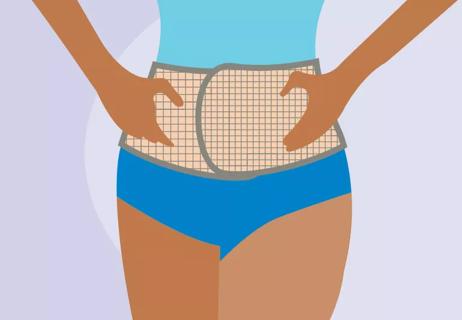
Belly wraps provide physical support after you give birth
Sad feelings and teariness that persist are a sign
Patience is the best solution

This ‘harm reduction’ approach to sobriety involves subbing one substance for another — a method that isn’t backed by research
Educate your child about body image, expectations and skin care first

A true chlorine allergy is extremely rare — it’s far more likely that you have a damaged skin barrier











