Locations:





 Search
Get to know the care team to stay informed

Image content: This image is available to view online.
View image online (https://assets.clevelandclinic.org/transform/a82bdacc-526b-44d1-a0f8-1276ae3aa609/ICUpatient-182717543-770x553_jpg)
Intensive Care Unit monitor and IV drip
The Medical Intensive Care Unit, or what people commonly call the ICU, can be just that – intense.
Advertisement
Cleveland Clinic is a non-profit academic medical center. Advertising on our site helps support our mission. We do not endorse non-Cleveland Clinic products or services. Policy
The focus of the ICU is to stabilize, diagnose and allow a patient to recover. Many patients in the ICU have other diseases in addition to the severe illness that made them so sick, says critical care physician Eduardo Mireles-Cabodevila, MD. These patients require round-the-clock care and multiple teams to care for them.
In these situations, feeling can run high for both patients and families. Here are three questions to ask doctors and caregivers to stay informed.
Asking this question will help you set expectations. As a general rule, the ICU team will contact you when things change drastically or when they need to inform you on events, Dr. Mireles-Cabodevila says – for example, if your loved one needs a procedure.
Most ICUs also have a time of the day when the patient and family are informed on the patient’s progress. Many intensive care units allow and/or encourage the family to be present during the team rounds. Although medical language can sound foreign or complicated, don’t be shy to ask the team to explain.
Some ICUs allow you to request phone calls by the bedside nurse at the beginning and end of his or her shift, to keep you updated of any needs. This is helpful when you are unable to be at the bedside and just want to be sure that things are OK.
Advertisement
Remember, you can always ask to speak to the attending physician by asking the nurse or one of the other team members. The afternoon hours are the best time of the day for physicians to speak with you.
This is a very important question. The ICU team is truly a team. You want to know who is directing the care team, and which team members are able to provide a complete statement of the plan of care.
You can expect close to 10 professions to be involved in helping your loved one recover. This means that you will see a lot of people come into the room, all of whom have specific roles and responsibilities.
Many times, a consultant may also come into the room to discuss parts of the care. This is a common source of confusion for families, Dr. Mireles-Cabodevila says, as they hear many opinions. When this happens, ask to talk to your team.
It is also important to know that the number of physicians available at night is less than during the day. Although the physician at night is capable of caring for your loved one, it is best to leave deep conversations to the day team.
The ICU team is made up of the following:
As you can imagine, multiple shift changes occur, so familiarize yourself and your family with each member of the medical team.
Recovery time in the ICU can be highly variable, from a few days to a few weeks. At times, it is too early to know how long recovery will take, but asking can help you plan your time and resources.
Stay in touch with the attending physician in a continued, open relationship. This doctor and the medical team can advise you on the condition of your loved one’s health and next steps.
There are times when you may have to let the team do a procedure or let your loved one rest. But the rest of the time you can be doing things to help – for example, bringing pictures of them and their loved ones, or telling the care team what they like to eat, what TV programs they like to watch or what music they like to hear.
You can help your loved one stay engaged by telling family stories, reading to them, playing games or updating them on world news. Just be sure to ask the care team if there are any restrictions on interactions you can have with them. (Is it OK to give him a foot massage? Can I comb his hair? Move his arms?)
Long gone are the times where patients where kept isolated from their families. “We have learned a lot over the last decades,” Dr. Mireles-Cabodevila says. “Family at bedside is welcomed and essential.”
Advertisement

Sign up for our Health Essentials emails for expert guidance on nutrition, fitness, sleep, skin care and more.
Learn more about our editorial process.
Advertisement

There’s limited research on whether the supplement can help you snooze — adopting proven sleep habits may be a better place to start

Most breast pain isn’t a sign of cancer, but certain symptoms deserve a closer look

Celebrate individuality, create opportunities for cooperation, and stay calm and in control

Massage, teething rings, chilled items and pain relievers can help dull the discomfort when baby teeth erupt

Your fertility, menstrual cycle and period symptoms can return quickly
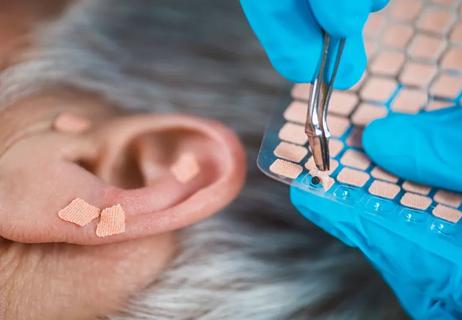
Early research suggests this auriculotherapy technique may help with pain, insomnia and more

Clean their bottom using plain water and a soft washcloth, then apply an ointment — and let them go diaperless when possible

Massaging your breast tissue can help reduce breastfeeding pain, treat lymphedema and find cancer early

Glute bridges are simple bodyweight exercises worth adding to any workout

Cancer that’s spread beyond the prostate is considered ‘advanced’

The best choices are high in omega-3s and protein and low in mercury











