Locations:





Snacking can bring benefits with healthy food choices and planning
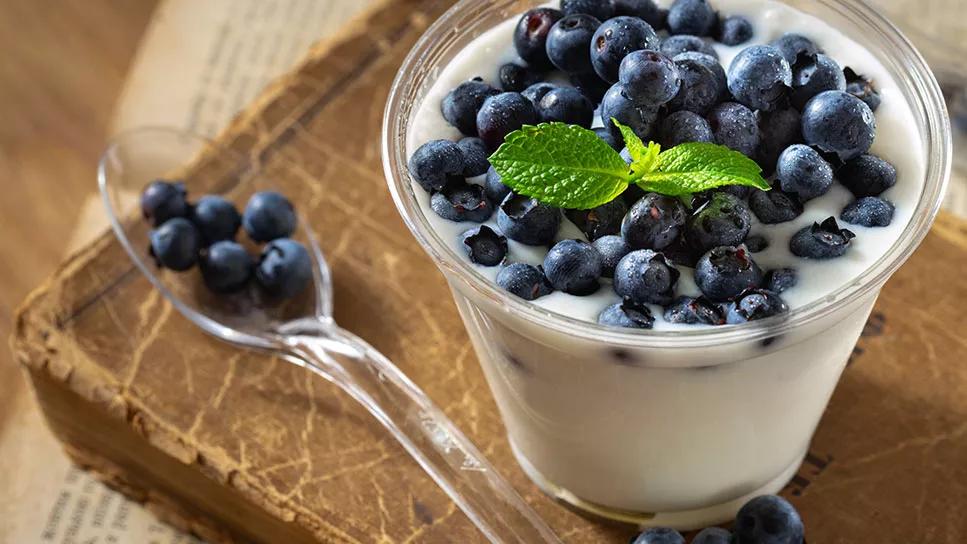
Image content: This image is available to view online.
View image online (https://assets.clevelandclinic.org/transform/75d5117b-f2a0-43b9-b88b-d199c9849432/yogurt-blueberry-snack-cup-1325354454)
Small cup of yogurt with fresh blueberries on top, with mint sprig
Snacking isn’t bad if it’s done right.
Advertisement
Cleveland Clinic is a non-profit academic medical center. Advertising on our site helps support our mission. We do not endorse non-Cleveland Clinic products or services. Policy
Surprised? Don’t be. Munching here and there during the day brings a full plate of benefits. It can curb food cravings, boost energy levels, rev up your metabolism, and spark your mind and muscles.
Planned snacking — with a definite emphasis on “planned” — can even help you maintain a healthy weight or lose unwanted pounds, says registered dietitian Kate Patton, MEd, RD, LD.
“Healthy snacking is a way to feed your body the nutrition it needs every few hours,” explains Patton. “It can leave you feeling more satisfied while maintaining your energy and blood sugar in a steady and balanced way.”
The “snacking” we’re talking about is different from “grazing,” or the unintentional and mindless consumption of whatever food is within reach. It’s not gobbling something down because you’re bored or stressed.
Instead, it’s a deliberate decision to fortify yourself between meals at a time when you feel your body beginning to lag.
And let’s be clear here: Most of us snack. More than 70% of Americans grab something extra to eat at least once a day, according to the 2023 Food and Health Survey from the International Food Information Council.
“Planning your snacks ahead of time sets you up for success,” says Patton. “Work it into your daily eating plan and how it fits into your overall calorie intake. Then, choose snacks that aren’t high in calories, bad fats, salt or sugar.”
Advertisement
So, what’s a healthy snack that’ll fill and fuel you up without piling on too many calories? Patton has some ideas. Here are 39 potential snacks divided into five categories to get you through the day.
NOTE: An * marks the snacks that have 10 grams or more of protein per serving. An ~ marks the snacks that are “grab and go” and don’t require refrigeration.
Advertisement
Consider the above list as nothing more than a starting point for healthy snacking. There’s a seemingly infinite number of food combinations to fit your specific tastes.
Spend some time reading food labels as you come up with your own snack creations. Try to use fresh ingredients whenever possible and stay away from processed foods high in empty calories, saturated fat, carbs and added sugars. Limit sodium, too.
“Look to pack in the whole grains, fruits, veggies and proteins,” advises Patton. “Odds are, you’ll find endless low-cal options in your cupboard and fridge if you search them out.”
Advertisement

Sign up for our Health Essentials emails for expert guidance on nutrition, fitness, sleep, skin care and more.
Learn more about our editorial process.
Advertisement

This famously funky-smelling fruit is packed with fiber, vitamins and minerals
This citrus fruit delivers vitamin C, fiber and other nutrients that can support your heart, immune system and skin
Protein is essential in your diet, but piling more onto your plate isn’t always better
Eating about 20 to 30 grams of protein for your first meal can help you feel fuller longer and fend off cravings
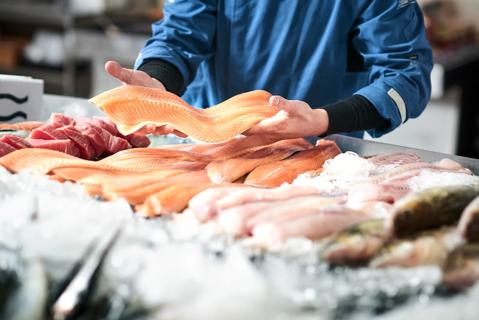
The best choices are high in omega-3s and protein and low in mercury
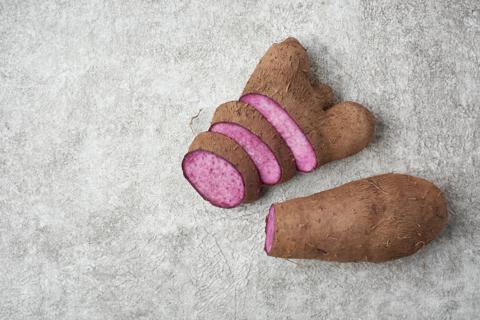
This vibrant purple yam offers vitamin C, fiber and antioxidants in every bite
Look for foods with a variety of nutrients that last a long time and work in multiple meals — like legumes, whole grains and frozen or canned produce
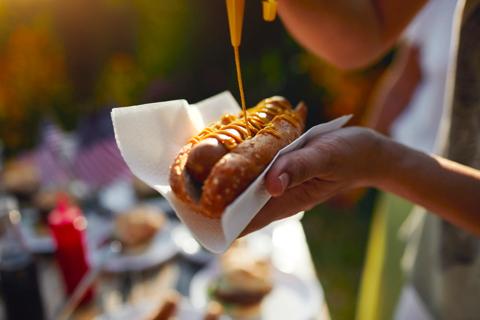
The traditional hot dog isn’t exactly a nutritious choice, but that doesn’t mean you can’t enjoy one here and there
Managing your weight through physical activity may lower your chances of getting this common cancer
It typically starts in October and winds down in early spring, with cases at their highest in the middle of winter

Anxiety disorders, health conditions and past trauma can make driving nerve-wracking — help is available
 Search










