Locations:





All vegetables are good, but some are simply overrated
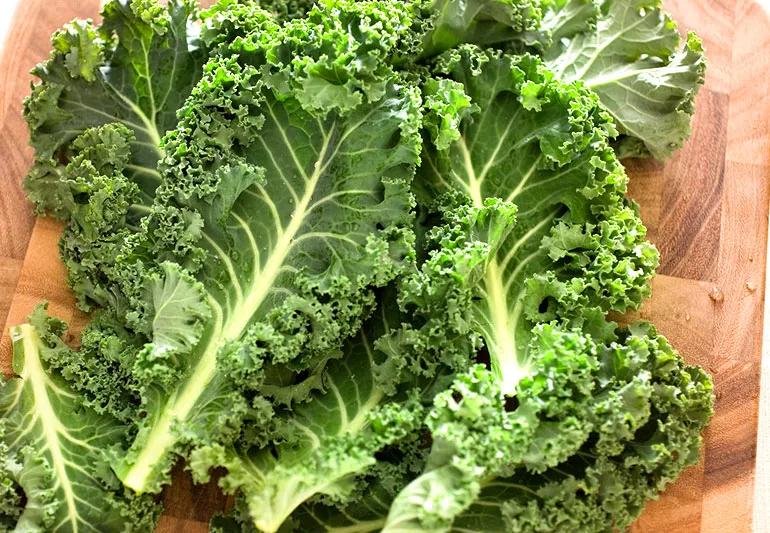
Image content: This image is available to view online.
View image online (https://assets.clevelandclinic.org/transform/0e1f1128-6ab7-443d-935f-90587427bac5/kaleHype-182668418-770x533-1_jpg)
Leaves of Kale
First, let’s set the record straight — you really can’t go wrong with vegetables. They’re a highly nutritious food group that offer a huge variety of flavors and benefits. That’s why dietitians, doctors and nutritionists recommend them as a key part of every healthy diet.
Advertisement
Cleveland Clinic is a non-profit academic medical center. Advertising on our site helps support our mission. We do not endorse non-Cleveland Clinic products or services. Policy
That said, it’s also fair to say some veggies pack a bigger nutritional punch than others.
If you’re wondering which ones might not be at the top of our list, check out the following vegetables many dietitians would probably downplay in favor of other more nourishing options.
“It may be colorful and sweet and we look forward to it when it’s in season, but unfortunately sweet corn is also one of the starchiest veggies out there,” says clinical dietitian Kate Patton, MEd, RD, CSSD, LD.
“Corn has some nutritional value like fiber, folate, vitamin C and potassium. But your body sees and reacts to sweet corn similarly to the way it reacts to bread, which is not great from a metabolic standpoint.”
When you’re looking to add more veggies to your diet there’s a whole spectrum of better options out there than corn.
If you’re not ready to give up corn just yet, at least try to be mindful of what you’re putting on top of it. “Try to limit your portion of butter and salt.There are healthy toppings with higher nutritional value instead of the butter and salt duo we often turn to,” she says.
“Kale is good for you, but somewhere down the line kale received a superstar status that overtook all the other great veggies like broccoli, beets, Brussels sprouts and Swiss chard,” Patton says.
Advertisement
While kale is great, variety is even better, she adds. Kale can also be an acquired taste and can be hard to incorporate into meals. And for many people, digesting kale is a struggle.
There are lots of dark, leafy greens you can turn to instead that contain nutrients similar to kale. Swapping those into your diet gives you the same nutritional value, plus so much more to choose from. Patton suggests adding in leafy greens and lettuces like:
Store-bought vegetable juices may give you a good amount of vitamins and minerals. But in a lot of cases you’re missing all the benefits of the fiber and extra nutrients found in their skins.
You may also be getting extra additives and sugar or salt you don’t need.
Instead, try making your own homemade smoothies that incorporate fresh vegetables from your fridge. Use cruciferous vegetables like shredded cabbage or broccolibok choy that really pack that nutritional punch.
“Cruciferous vegetables are nutrient-rich and contain glucosinolates, an anti-inflammatory phytonutrient linked to reduced risk of cancer,” Patton says.
“This pale lettuce falls short of the reputation of its darker-hued cousins and contains fewer vitamins and phytonutrients,” Patton says.
“But some lettuce is better than no lettuce at all, provided you don’t slather it with high-saturated fat ranch, Caesar or bleu cheese dressings.”
Love iceberg lettuce salads? That’s fine. Just pump up the nutrition, she suggests. Add in a variety of other chopped veggies like:
“Then dress your new mixture instead with red wine vinegar and one teaspoon of extra virgin olive oil. You’ll feel much better about making your iceberg lettuce intake a little more on the nutritional side.”
“From a nutritional perspective these starchy vegetables have potential be unhealthy depending on how they are prepared. For example, fried French fries, fried hash browns, scalloped and mashed potatoes are loaded with extra fat calories which diminish their nutritional value,” Patton says.
“You have to be careful when they are eaten without all the extras, too. While potatoes contain fiber and potassium, they also cause a much faster spike in blood sugar levels than non-starchy vegetables like kale or broccoli,” she emphasizes.
A recent study suggests that replacing one serving of potatoes (boiled, baked, mashed or French fries) with one serving of non-starchy vegetables (spinach, peppers or onions, for example) can lower your risk of hypertension.
Advertisement
Dietitians agree that veggie variety is key. So don’t be afraid to try new vegetables instead of the ones you’re used to. The hype may outweigh the benefits. Switch things up and you’ll be consuming a wider variety of nutrients, and your diet will be a whole lot more colorful!
Advertisement

Sign up for our Health Essentials emails for expert guidance on nutrition, fitness, sleep, skin care and more.
Learn more about our editorial process.
Advertisement

This famously funky-smelling fruit is packed with fiber, vitamins and minerals
This citrus fruit delivers vitamin C, fiber and other nutrients that can support your heart, immune system and skin
Protein is essential in your diet, but piling more onto your plate isn’t always better
Eating about 20 to 30 grams of protein for your first meal can help you feel fuller longer and fend off cravings

The best choices are high in omega-3s and protein and low in mercury

This vibrant purple yam offers vitamin C, fiber and antioxidants in every bite

Look for foods with a variety of nutrients that last a long time and work in multiple meals — like legumes, whole grains and frozen or canned produce

The traditional hot dog isn’t exactly a nutritious choice, but that doesn’t mean you can’t enjoy one here and there

Hormonal changes, a slower metabolism and muscle loss can make weight gain more common around menopause — healthy habits can help you manage it

Life-threatening complications include sepsis, stroke, pneumonia and more

Fruity-smelling breath can happen when your body burns fat for energy, and in some cases, can signal a medical emergency
 Search










