Locations:





A healthy diet can easily meet your body’s important demands for magnesium

Image content: This image is available to view online.
View image online (https://assets.clevelandclinic.org/transform/23d0b1d6-d5df-4daa-a8dd-7c520e0b0505/magnesiumRichFoods-LMC-062320-770x533-1_jpg)
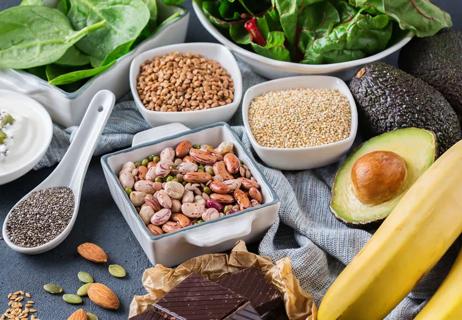
White bowls full of pumpkin seeds, dark chocolate and various kinds of nuts
More than 300 essential processes within your body rely on magnesium. It’s a heavy-hitter list that includes heart rhythm, muscle contractions, blood pressure control, bone health and creating energy.
Advertisement
Cleveland Clinic is a non-profit academic medical center. Advertising on our site helps support our mission. We do not endorse non-Cleveland Clinic products or services. Policy
So, are you doing enough to feed your body’s need for magnesium? Probably not, judging by typical eating habits in the United States and around the world.
But fixing that situation isn’t as complicated as you might think. Tossing a few key foods into your grocery basket can easily take you from magnesium-deficient to magnesium-sufficient. So, let’s build a magnesium-rich shopping list with registered dietitian Anna Taylor, RD, LD.
Magnesium is a mineral naturally present in many foods. That’s a good thing, too, because you really need it in your diet. Experts recommend that you consume between 310 and 420 milligrams (mg) of magnesium per day (depending on age and sex).
But before you pull out a calculator and start poring over nutrition labels, Taylor has some advice.
“I rarely recommend people tally up magnesium or other vital nutrients,” she says. “It’s tedious, difficult and ungainly. Instead, make sure to include a variety of fiber-rich plant foods in your diet every day and you’ll get where you need to be.”
Here are Taylor’s top picks (arranged by food type) to keep your magnesium levels in the optimal range:
Nuts and seeds may be small in size, but they pack a nutritional punch with gobs of protein, fiber, healthy fats and minerals such as magnesium, says Taylor. Here are five options with their stellar magnesium resumes:
Advertisement
Biologically speaking, a legume is a plant from the Fabaceae family. Nutritionally speaking, they’re a powerhouse on multiple levels, including magnesium content. Here are three to consider:
Magnesium content is yet another reason to add whole grains to your diet.
Dairy products get a lot of attention for calcium content, but they also can be a good source of magnesium, notes Taylor. Consider it a two-for-one deal!
Dark and leafy greens qualify as a superfood, with magnesium content being just one of their many superpowers.
It’s recommended that you eat two servings of fruit per day as part of a healthy diet. Consider these to check that box, plus the one for magnesium:
“Eat your veggies” has long been good advice. These three will help you meet your magnesium goals:
Dark chocolate is a decadent treat that can treat your body right when it comes to magnesium.
Tap, mineral and bottled waters can be sources of magnesium, but it can be difficult to know how much magnesium they contain because it depends on the water source. “It can be anywhere from 1 mg per liter to 120 mg per liter,” notes Taylor.
So, if you drink the recommended 2 liters of water per day, that could be up to 240 mg of magnesium.
Advertisement
Magnesium supplements can be helpful if a doctor determines you have a magnesium deficiency. But if you have no major health problems, try to get magnesium from what’s on your plate.
“’Food first’ is my mantra,” states Taylor. “If you take a dietary supplement for magnesium and take too much, you may experience uncomfortable side effects such as cramping, diarrhea and nausea.”
To get the recommended amount of magnesium your body requires, Taylor recommends eating:
Meals featuring the magnesium-rich foods noted above are just plain good for you, too. The benefits of these foods often go far beyond just magnesium. Consider them a foundation for a healthy diet.
“You’re not just getting magnesium from these foods,” says Taylor. “You’re also getting so many fantastic nutrients, such as vitamins, other minerals and phytonutrients that can benefit your body in so many different ways.”
Advertisement

Sign up for our Health Essentials emails for expert guidance on nutrition, fitness, sleep, skin care and more.
Learn more about our editorial process.
Advertisement

They’re both essential minerals, but they do different jobs in your body

Magnesium is a powerhouse that helps with everything from muscle function to mental health
Early warning signs include fatigue and stiffness

From sauerkraut to kimchi, these foods can help keep your gut healthy

This famously funky-smelling fruit is packed with fiber, vitamins and minerals

This South Pacific plant is often promoted for stress relief and relaxation, but there are a few things you should know before trying it

There’s limited research on whether the supplement can help you snooze — adopting proven sleep habits may be a better place to start
You can get a good amount of protein from eating lentils, beans, tofu, grains, seeds and nuts

Managing your weight through physical activity may lower your chances of getting this common cancer

It typically starts in October and winds down in early spring, with cases at their highest in the middle of winter

Anxiety disorders, health conditions and past trauma can make driving nerve-wracking — help is available
 Search










