Locations:





You can get a good amount of protein from eating lentils, beans, tofu, grains, seeds and nuts
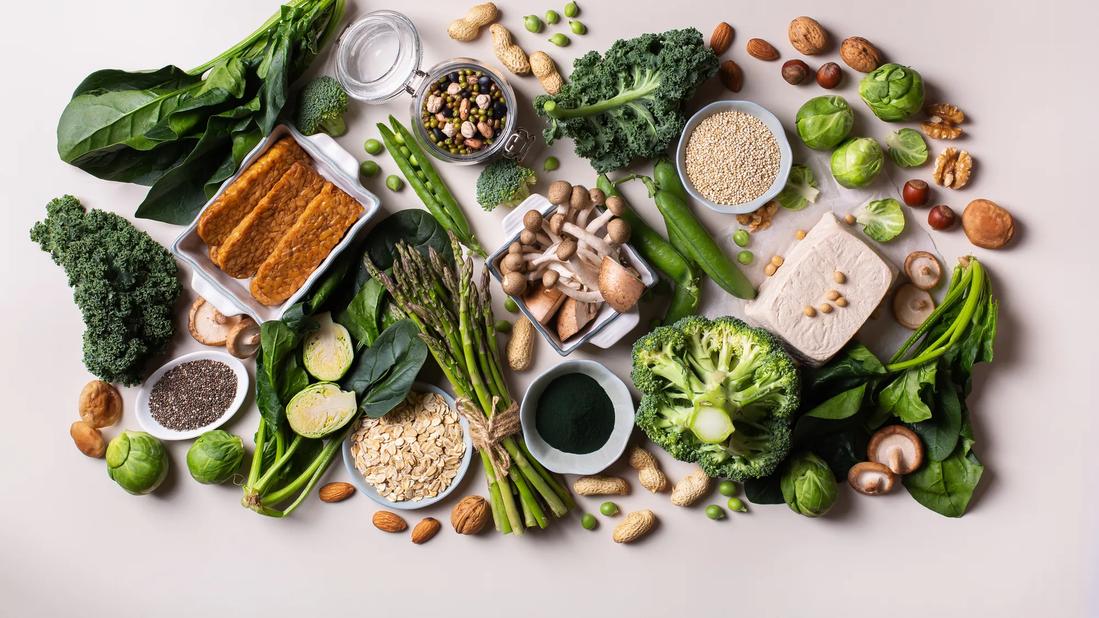
Image content: This image is available to view online.
View image online (https://assets.clevelandclinic.org/transform/31dcbbac-22e1-4758-b6b6-585efed74d59/plant-based-protein-1369489882)
Variety of plant-based protein, including soy beans, tofu, vegetables and soy milk
When you think of protein, a big juicy steak or an omelet with bacon might come to mind. But protein doesn’t just come from animal-based foods. Many plants are high in protein, too.
Advertisement
Cleveland Clinic is a non-profit academic medical center. Advertising on our site helps support our mission. We do not endorse non-Cleveland Clinic products or services. Policy
So, if you’re thinking of going vegetarian or vegan — or just scaling back on your meat intake a few days a week — you can still get the nutrients you need from plant-based protein sources like legumes, grains and nuts.
Registered dietitian Julia Zumpano, RD, LD, shares more about which plant-based foods are good protein options and the simple ways to work them into your meals.
Consider this: A diet rich with whole plant foods can get you on the right track to lowering your risk for many chronic illnesses and help you feel better overall.
“You can get enough protein if you eat an adequate number of calories from a variety of whole foods,” says Zumpano.
Try adding some of these plant-based foods to your meals to help you reach your protein goals.
Soy is considered a complete protein, meaning it provides all the amino acids your body needs but can’t make on its own. And soy comes in many forms, offering between 8 and 18 grams of protein per serving.
Options include:
Soy is a great source of fiber and contains B vitamins, iron and zinc, too.
“Tofu is so versatile that you can use it in place of meat in a recipe or even as a base for creamy desserts,” recommends Zumpano. “Tempeh’s firm but chewy texture makes it a superb addition to sandwiches and salads. Or crumble it to substitute for ground meat in recipes.”
Advertisement
Just a half-cup of any bean variety packs 6 to 9 grams of protein, while a half-cup of cooked lentils adds about 12 grams of protein to your meal.
Options include:
Beans may also help lower cholesterol, while lentils may lower blood pressure. And both promote healthy gut bacteria, notes Zumpano.
“Try adding beans and lentils to soups, curries, tacos or salads,” she suggests.
Most varieties of seeds contain about 7 to 8 grams of protein per ounce.
Options include:
Seeds also come with other benefits, including nutrients that support bone and brain health.
“Think about sprinkling your morning oatmeal with seeds,” says Zumpano. “Or try a protein- and fiber-packed chia seed pudding.”
Many types of nuts range between 6 and 7 grams per quarter-cup serving. (Fun fact: Though it’s technically a legume, the peanut packs the most protein out of all the commonly consumed nuts, with 9 grams per quarter-cup serving.)
Options include:
Nuts can also be a good source of fiber and provide vitamins and minerals, such as magnesium, B vitamins and vitamin E.
“Grab a handful as a snack or top your toast with a tablespoon of natural nut butter to add protein and filling healthy fats,” says Zumpano.
You may think of grains as primarily carbohydrates, but they also pack a protein punch. For example, a half-cup serving of oats adds 5 grams of protein to your morning meal.
Other options include:
Eating whole grains can also help reduce your blood pressure and cholesterol, lowering your risk of heart disease.
“Make a grain bowl with one of these grains as your base,” recommends Zumpano. “It’s a nutritious option and you can customize your toppings and sauces.”
Vegetables aren’t the most abundant sources of protein, but you can get about 4 to 5 grams of protein per cup with some varieties.
Options include:
And don’t sleep on nutritional yeast. The secret ingredient in many vegan “cheese” sauces, nutritional yeast is a great source of protein and B vitamins. One tablespoon sprinkled on top of your meal adds 2 grams of protein.
Zumpano offers the following advice:
Advertisement
If you’re easing into adding more plant-based protein options to your diet, Zumpano points out that you don’t have to overhaul your meals. It’s OK to go at your own pace and try what you’re comfortable with.
“Think about variety and explore the different types of plant-based proteins,” she encourages. “Simply adding one plant protein to each meal can make a difference.”
Advertisement

Sign up for our Health Essentials emails for expert guidance on nutrition, fitness, sleep, skin care and more.
Learn more about our editorial process.
Advertisement

A nutrient-packed diet driven by fruits and veggies can lower certain health risks
It’s possible to drop a few pounds as long as you watch what you eat
From sauerkraut to kimchi, these foods can help keep your gut healthy
This East Asian and subtropical fruit is packed with delicious nutrition

This famously funky-smelling fruit is packed with fiber, vitamins and minerals

This South Pacific plant is often promoted for stress relief and relaxation, but there are a few things you should know before trying it

They’re both essential minerals, but they do different jobs in your body
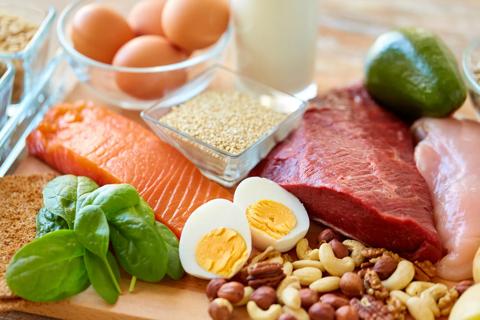
Lean meats, fish, dairy and plant proteins can help you meet your protein needs without piling on saturated fat and sugar

Hormonal changes, a slower metabolism and muscle loss can make weight gain more common around menopause — healthy habits can help you manage it

Life-threatening complications include sepsis, stroke, pneumonia and more
Fruity-smelling breath can happen when your body burns fat for energy, and in some cases, can signal a medical emergency
 Search










