Locations:


While there’s limited research, the horned melon contains nutrients that may help with your immune system and skin health
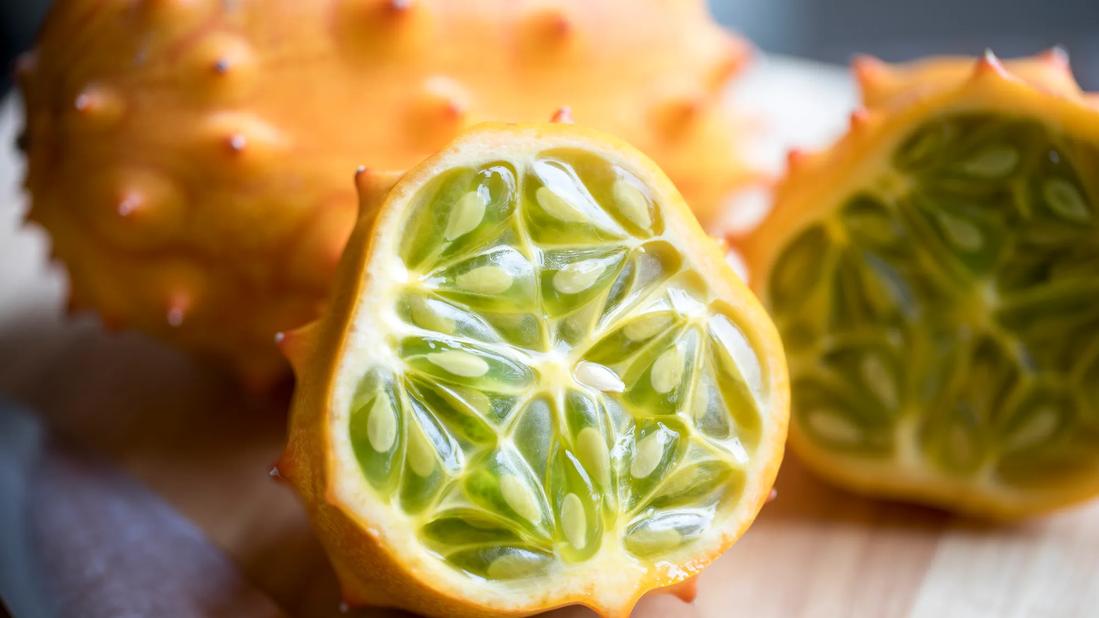
Image content: This image is available to view online.
View image online (https://assets.clevelandclinic.org/transform/4ff9fc25-00e0-4567-8bef-81b74c540fb3/kiwano-melon-646331958)
Whole and cut kiwano fruit
When it comes to melon, there’s cantaloupe, honeydew and, of course, watermelon.
Advertisement
Cleveland Clinic is a non-profit academic medical center. Advertising on our site helps support our mission. We do not endorse non-Cleveland Clinic products or services. Policy
But you may not have heard about kiwano melon. Also known as horned melon, this African tropical fruit is part of the gourd and cucumber family.
Though its spiky shell might put you off, there’s plenty of goodness inside — including a source of essential nutrients that may support your immune system and skin health.
Registered dietitian Beth Czerwony, RD, LD, shares the details.
A kiwano can fit in the palm of your hand — though cradle it gently to avoid being poked by its spikes!
When it’s ripe, a kiwano’s rind will turn orange. The inside of a kiwano can range from bright green to yellow. It has a slightly jelly-like texture that’s dotted with edible seeds.
So, how does a kiwano taste? It’s similar to a cucumber — cooling and refreshing — with hints of kiwi and banana.
One cup of horned melon (kiwano) contains about:
The United States Department of Agriculture (USDA) doesn’t specifically include fiber in its nutritional breakdown of kiwano, but it’s thought that 1 cup may have about 4 grams.
Kiwano also provides nutrients like:
There’s no guarantee that eating horned melon will prevent or treat a health condition.
Advertisement
Why is that? There isn’t a lot of direct research on the health benefits of kiwano. Most of the potential advantages come from a connection to its nutrients and how they may impact your well-being.
Let’s learn more.
There are a few notable antioxidants in kiwano: vitamin A, vitamin C and zinc.
Antioxidants protect your cells from damage caused by oxidative stress. Too much damage to your cells can lead to an increase in inflammation. Chronic inflammation has been associated with conditions like heart disease and diabetes.
“While there’s no direct research on kiwano and inflammation, we know eating antioxidant-rich foods can help your overall health,” says Czerwony.
Iron can do a lot when it comes to your health, but one of its most vital benefits is supplying oxygen to your body.
Not only is kiwano a good source of iron, but its vitamin C content may also play a potential role in supporting the production of red blood cells and transporting oxygen.
“Kiwano has something known as non-heme iron,” explains Czerwony. “Your body doesn’t absorb this type of iron as well. But research shows that when combined with vitamin C, iron absorption improves.”
Kiwano is considered a low glycemic index food, which means it won’t spike your blood sugar quickly. Another factor that may help? The magnesium found in the melon, which is known to regulate blood sugar and help prevent insulin resistance.
Advertisement
But, again, more research is needed — there isn’t enough scientific evidence yet to fully understand the fruit’s effects on blood sugar.
“If you have diabetes, consider talking to your healthcare provider about adding kiwano to what you eat,” advises Czerwony. “It’s best to follow the eating plan recommended by your care team.”
Kiwano is high in water content, meaning it can help keep you hydrated. Another benefit? It also contains electrolytes like magnesium, potassium and sodium that help to keep your body working at its best.
“Staying hydrated can help your muscles and nerves function as they should,” says Czerwony. “While there aren’t any studies showing a direct link to kiwano and hydration, its electrolytes and water content can make it a great option to add to your meals.”
There’s no conclusive evidence on how kiwano can impact your immune system. Instead, there’s a connection to one of its nutrients, vitamin C.
The jack-of-all-trades vitamin is needed to help support your immune system. But before you think of vitamin C as the holy grail of cold fighters, there’s a caveat about what it can do when you’re sick.
“Vitamin C won’t prevent you from catching a cold,” emphasizes Czerwony. “But research shows that getting vitamin C daily may help reduce the severity and duration of colds.”
Advertisement
As you age, your collagen production slows down. And that can cause fine lines and wrinkles on your face.
While there’s no direct link between kiwano and how it can improve your skin, kiwano does contain vitamin C. The vital nutrient helps with collagen production and fights free radicals.
“Collagen is an essential protein in your body,” says Czerwony. “Eating foods that are good sources of vitamin C can help protect and repair your skin.”
Though its rind is edible, most people choose just to eat the flesh (and seeds) of a kiwano by cutting it in half and scooping out its insides.
Try it:
Though it may have a prickly exterior, kiwano can be a sweet treat for those looking for a fruit that’s hydrating and full of vital nutrients.
Some of kiwano’s nutrients have been linked with health benefits, such as supporting your immune system and increasing iron absorption — but more research, particularly in humans, is needed.
“While we don’t fully know all the ways that kiwano can be good for your health, it may be worth giving the tropical fruit a try,” concludes Czerwony.
Advertisement
Advertisement

Sign up for our Health Essentials emails for expert guidance on nutrition, fitness, sleep, skin care and more.
Learn more about our editorial process.
Advertisement
Small, but mighty, they’re nutritional powerhouses with loads of fiber and protein

This tropical fruit is a good source of fiber and vitamin C, but it can be unsafe for people with kidney problems

Products like turmeric, fish oil and probiotics blur the line between food and supplements
The root vegetable is a low-calorie food that may help with gut health

This East Asian and subtropical fruit is packed with delicious nutrition
Lean meats, fish, dairy and plant proteins can help you meet your protein needs without piling on saturated fat and sugar
This citrus fruit delivers vitamin C, fiber and other nutrients that can support your heart, immune system and skin

Protein is essential in your diet, but piling more onto your plate isn’t always better

This low-impact activity could boost your cardiorespiratory health

The advice dates to 1574, but it falls a little short given what we know today

Most tongue pain isn’t too serious, but seek help if it’s severe or lasts longer than a few weeks
 Search