Locations:





This citrus fruit delivers vitamin C, fiber and other nutrients that can support your heart, immune system and skin
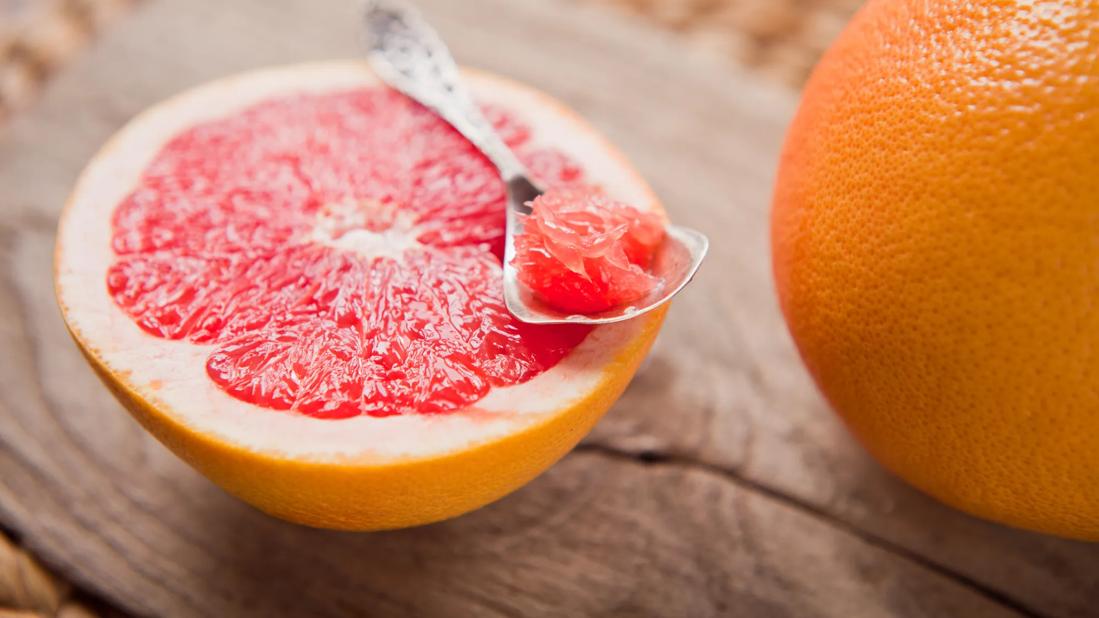
Image content: This image is available to view online.
View image online (https://assets.clevelandclinic.org/transform/d45d6bd3-9d3a-48c0-b146-ae808963070e/grapefruit-546187188)
Halved grapfruit with spoon, and whole grapefruit
With its cheery color and unmistakable pucker, grapefruit brings a little sunshine to your breakfast plate.
Advertisement
Cleveland Clinic is a non-profit academic medical center. Advertising on our site helps support our mission. We do not endorse non-Cleveland Clinic products or services. Policy
And there’s plenty going on underneath that thick peel. Grapefruit is packed with nutrients that can support your heart health, boost your immune system and improve your skin.
But there’s an important catch: Grapefruit can interact with a surprising number of medications.
“Grapefruit can absolutely be part of a healthy diet,” says registered dietitian Michelle Dodd, RD, LD. “But if you take certain medications, you need to be careful about how much you consume.”
Dodd explains the benefits of grapefruit — and when you may want to steer clear.
Grapefruit is a citrus fruit known for its juicy flesh and tart, slightly bitter flavor.
Depending on the variety, the inside can range from pale yellow to pink or deep ruby red. But you don’t need to agonize over which color to toss into your grocery cart. All varieties can contribute nutrients to a healthy diet.
For example, one half of a medium-sized grapefruit contains:
It also provides these nutrients:
Yes. Grapefruit benefits include supporting your immune system, heart, skin and more.
Advertisement
Dodd peels back some of its potential advantages.
When you think of citrus, you probably think of vitamin C. And grapefruit delivers, with about 50% of the recommended daily value in half of a medium-sized grapefruit.
As vitamin C is an antioxidant, it may help protect your cells against damage and keep inflammation in check. Vitamin C also supports your immune system — and research shows it may slightly reduce the severity and duration of cold symptoms.
Grapefruit contains other nutrients involved in immune function, too, including vitamin A, and minerals like zinc, copper and iron.
Grapefruit brings several heart-friendly nutrients to the table.
Its fiber can help support healthy cholesterol levels, while grapefruit’s antioxidants can help fight inflammation. Potassium also plays a role in healthy blood pressure and heart function.
Grapefruit contains flavonoids, too, a group of plant compounds with antioxidant properties. Dodd points specifically to naringin, a flavonoid found in grapefruit, as another compound being studied for its potential effects on cholesterol and fat metabolism.
But there’s a big caveat here: If you’re already taking medication for high cholesterol, blood pressure or another heart condition, don’t start loading up on grapefruit in hopes of giving your heart an extra boost. Grapefruit can interfere with some of those medications, like statins. More on that in a bit.
Grapefruit isn’t a treatment for diabetes or insulin resistance. But its nutritional makeup can make it a useful fruit choice as part of an overall healthy diet.
Dodd notes its fiber, high water content and relatively low glycemic impact as potential advantages.
Fiber slows digestion, which can help keep your blood sugar from rising as quickly after you eat. And because grapefruit contains plenty of water, it can be filling without being particularly calorie-dense.
But if you have diabetes and use insulin, you’ll still need to account for the carbohydrates (including sugar) in grapefruit just as you would with other carbohydrate-containing foods.
Citrus fruits contain citric acid, which research shows can help prevent the formation of certain kidney stones. But kidney stones come in different varieties.
Grapefruit may not be appropriate for everyone with a history of them, especially for common types, like calcium oxalate stones.
“If you have stones, you have to figure out what type of stone you have first,” Dodd emphasizes. “If you have calcium-oxalate stones, eating more grapefruit can increase the likelihood of kidney stones.”
So, don’t start eating grapefruit specifically to prevent kidney stones without first talking with your healthcare provider about whether it’s OK.
Advertisement
Your skin may benefit from eating grapefruit, too.
Your body needs vitamin C to make collagen, a protein that helps provide structure and elasticity to your skin. Its antioxidant properties also help protect your cells from damage.
While you can apply topical forms of vitamin C, research shows that eating foods high in vitamin C may also help with signs of aging and discoloration.
“Vitamin C is one of the most powerful antioxidants for skin,” Dodd says. “You need vitamin C for collagen production, which is a big part of your skin elasticity.”
You’ve probably heard about the grapefruit diet and claims that it can melt away pounds. But grapefruit itself isn’t a miracle fat burner.
“Instead of eating excessive amounts, grapefruit in moderation can be a part of a well-rounded healthy eating plan,” says Dodd. “Any food that’s high in fiber, low in calories and has a high-water content can help you feel fuller longer and eat fewer calories.”
In other words, you can leave the grapefruit diet in the past. The fruit itself, though? That’s worth keeping around.
For many people, grapefruit is a nutritious addition to their diet. But it isn’t right for everyone. The biggest concern is medication interactions.
Advertisement
Grapefruit contains compounds that can interfere with how your body processes certain medications. That can change the amount of medication in your bloodstream and potentially increase your risk of side effects.
Interactions can occur with some:
“If you take prescription medication, ask your healthcare provider or pharmacist whether grapefruit or grapefruit juice is safe for you,” stresses Dodd. “Don’t stop taking medication or change your dose on your own.”
Grapefruit may also not agree with you if you:
There are plenty of ways to enjoy grapefruit beyond eating half of one with a spoon.
Advertisement
Dodd suggests adding grapefruit segments to salads, yogurt or cottage cheese. You can also blend them into a smoothie or protein shake.
And if grapefruit’s bitterness makes you reach for the sugar bowl, try pairing it with other foods instead.
“We don’t want people adding a bunch of sugar on it just to eat it,” she advises. “If you don’t like bitter foods, adding grapefruit to other things is a good way to enjoy it.”
Grapefruit may not be the miracle food some old-school diets made it out to be. But if it’s safe for you to eat, its combination of fiber, vitamin C, and other nutrients gives you plenty of reasons to savor the sweet and the sour.

Sign up for our Health Essentials emails for expert guidance on nutrition, fitness, sleep, skin care and more.
Learn more about our editorial process.
Advertisement

This famously funky-smelling fruit is packed with fiber, vitamins and minerals
Protein is essential in your diet, but piling more onto your plate isn’t always better

Eating about 20 to 30 grams of protein for your first meal can help you feel fuller longer and fend off cravings

The best choices are high in omega-3s and protein and low in mercury

This vibrant purple yam offers vitamin C, fiber and antioxidants in every bite

Look for foods with a variety of nutrients that last a long time and work in multiple meals — like legumes, whole grains and frozen or canned produce

The traditional hot dog isn’t exactly a nutritious choice, but that doesn’t mean you can’t enjoy one here and there

Grocery shopping with a plan, paying attention to portion sizes and eating at your own pace can all help you put an end to this habit

Hormonal changes, a slower metabolism and muscle loss can make weight gain more common around menopause — healthy habits can help you manage it

Life-threatening complications include sepsis, stroke, pneumonia and more

Fruity-smelling breath can happen when your body burns fat for energy, and in some cases, can signal a medical emergency
 Search










