Locations:





This East Asian and subtropical fruit is packed with delicious nutrition
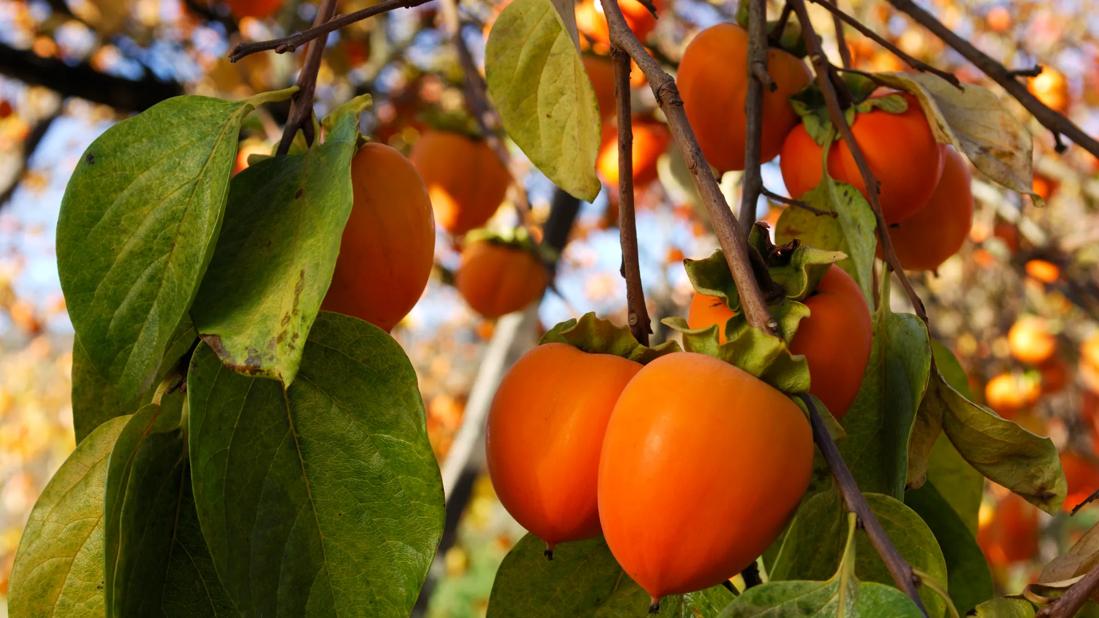
Image content: This image is available to view online.
View image online (https://assets.clevelandclinic.org/transform/051789f1-369a-47a4-8a65-256e809fc8f6/persimmons-157720944)
Cluster of persimmon fruit growing on a tree branch
If you’re over the same old apples and oranges, consider biting into a persimmon. This orange-hued fall fruit may not be common in every U.S. grocery store, but it’s certainly worth seeking out.
Advertisement
Cleveland Clinic is a non-profit academic medical center. Advertising on our site helps support our mission. We do not endorse non-Cleveland Clinic products or services. Policy
“They’re absolutely delicious,” says registered dietitian Sereen Zawahri Krasuna, RD, LD. “If they were readily available to me all the time, I’d never stop eating them.”
And persimmons bring much more than flavor to the table. They’re rich in fiber and contain all kinds of nutrients good for heart health, digestion and more.
So, what exactly is a persimmon, and how healthy are they? Zawahri Krasuna shares the juicy details.
Persimmons are fruits native to East Asia, particularly China, Korea and Japan. They now also pop up in California and other warm, subtropical regions where the fruit typically ripens in the fall and early winter.
One raw Japanese persimmon (168 grams) contains about:
“Dried persimmons are considered a traditional food in a lot of East Asian cultures,” shares Zawahri Krasuna. “Persimmons are also seen as a symbol of harvest, abundance and good fortune.”
Some persimmons look a bit like a bright orange tomato, while others more closely resemble an acorn. Different varieties are eaten at different stages of ripeness, so it’s important to know which kind you’ve brought home.
Advertisement
Two of the most common Japanese varieties are:
Eating a persimmon certainly won’t transform your health overnight. But working them into a balanced diet alongside other fruits and vegetables can help your body get the nutrients it needs.
Here are some of the benefits persimmons bring to the table.
A single persimmon can provide about 6 grams of fiber, making them a great choice if you’re looking to get more fiber in your diet.
“Fiber helps keep your bowels moving and helps you feel fuller longer,” says Zawahri Krasuna. “But we don’t consume enough of it in a traditional American diet.”
Fiber can also help:
Fiber-rich foods like persimmons are part of a heart-healthy diet because they help lower cholesterol and blood sugar levels.
Persimmons also contain potassium, which supports healthy blood pressure, as well as several antioxidants. Antioxidants help protect your cells from damage that contributes to inflammation and chronic disease.
Unripe persimmons get their dry, bitter taste from tannins, a kind of polyphenol (or plant-based antioxidant). Some research suggests the tannins in persimmons may affect cholesterol metabolism and reduce oxidative stress. But more research is needed in this area.
“That’s why it helps to think of persimmons as one food that can fit into a heart-healthy diet, rather than a single fruit that can lower your cholesterol or prevent heart disease,” clarifies Zawahri Krasuna.
One persimmon contains 253 micrograms of beta-carotene, a plant pigment your body uses to make vitamin A. And vitamin A plays an important role in maintaining healthy vision.
“The beta-carotene in persimmons can be really good for eye health,” says Zawahri Krasuna. “It can help maintain eye tissue and protect against oxidative damage.”
But again, that doesn’t mean persimmons will improve your eyesight. But their nutrients can contribute to a diet that supports eye health.
The vitamin C in persimmons and other fruits can boost your immune system.
Advertisement
It also supports the production of collagen, a protein that’s especially important for skin health and other connective tissues.
For most people, persimmons are just another nutritious fruit to add to the grocery list. But there are a few exceptions.
Because persimmons are high in fiber, you may want to curb how much you eat if you’re on a low-fiber diet.
In rare circumstances, like in cases of delayed stomach emptying, consuming large amounts of unripe persimmons can contribute to the formation of a bezoar. This is a mass of undigested food that can collect in the digestive tract. “Be cautious of this if you have gastroparesis,” warns Zawahri Krasuna.
If you’re buying dried persimmons, be aware of any added sugars, especially if you’re managing diabetes or watching your sugar intake.
For everybody else, the bigger challenge might be figuring out just where to buy a persimmon and how long to wait before you can eat them.
“You can usually find persimmons at local Asian food markets or you can ship them directly to your home from other areas,” says Zawahri Krasuna. “Just make sure you research how and when it’s best to eat the variety you buy and how long it takes for it to ripen.”
Advertisement

Sign up for our Health Essentials emails for expert guidance on nutrition, fitness, sleep, skin care and more.
Learn more about our editorial process.
Advertisement
From sauerkraut to kimchi, these foods can help keep your gut healthy
Lean meats, fish, dairy and plant proteins can help you meet your protein needs without piling on saturated fat and sugar

Choosing snacks with protein can help curb hunger, support muscle health and keep your energy steady between meals

Fish packs plenty of protein, heart-healthy fats and other body-boosting nutrients into every bite

Both are healthy choices, but wild-caught salmon offers a few more benefits
These bright berries are packed with nutrients and antioxidants that may support your eyes, immune system and overall well-being

The general rule is 1.2 to 1.6 grams of protein per kilogram of body weight — but that may not be exactly right for you

Prepping ingredients ahead of time, rethinking your snacks and making smart protein swaps can up your daily intake

Managing your weight through physical activity may lower your chances of getting this common cancer

It typically starts in October and winds down in early spring, with cases at their highest in the middle of winter

Anxiety disorders, health conditions and past trauma can make driving nerve-wracking — help is available
 Search










