Locations:


Small, but mighty, they’re nutritional powerhouses with loads of fiber and protein
Good things really can come in small packages, especially when it comes to legumes.
Advertisement
Cleveland Clinic is a non-profit academic medical center. Advertising on our site helps support our mission. We do not endorse non-Cleveland Clinic products or services. Policy
These tiny nutritional powerhouses pack a big punch. They’re loaded with protein, fiber and essential nutrients — and may help support heart health, improve gut health and prevent Type 2 diabetes.
Ready to give them a starring role on your plate? Registered dietitian Julia Zumpano, RD, LD, explains why legumes can be a vital part of a balanced diet.
Legumes are technically a vegetable. But more specifically, they’re the edible seeds and pods that come from certain plants that mostly grow on vines, bushes and shrubs, though a few types also grow underground.
Legumes fall into one of three subcategories:
They contain nutrients like:
“They’re full of nutrients,” says Zumpano. “Some legumes have more of certain nutrients than others, but they’re all nutritious options.”
Ready to dig into the world of legumes? Check out these popular varieties you can generally find at your local grocery store:
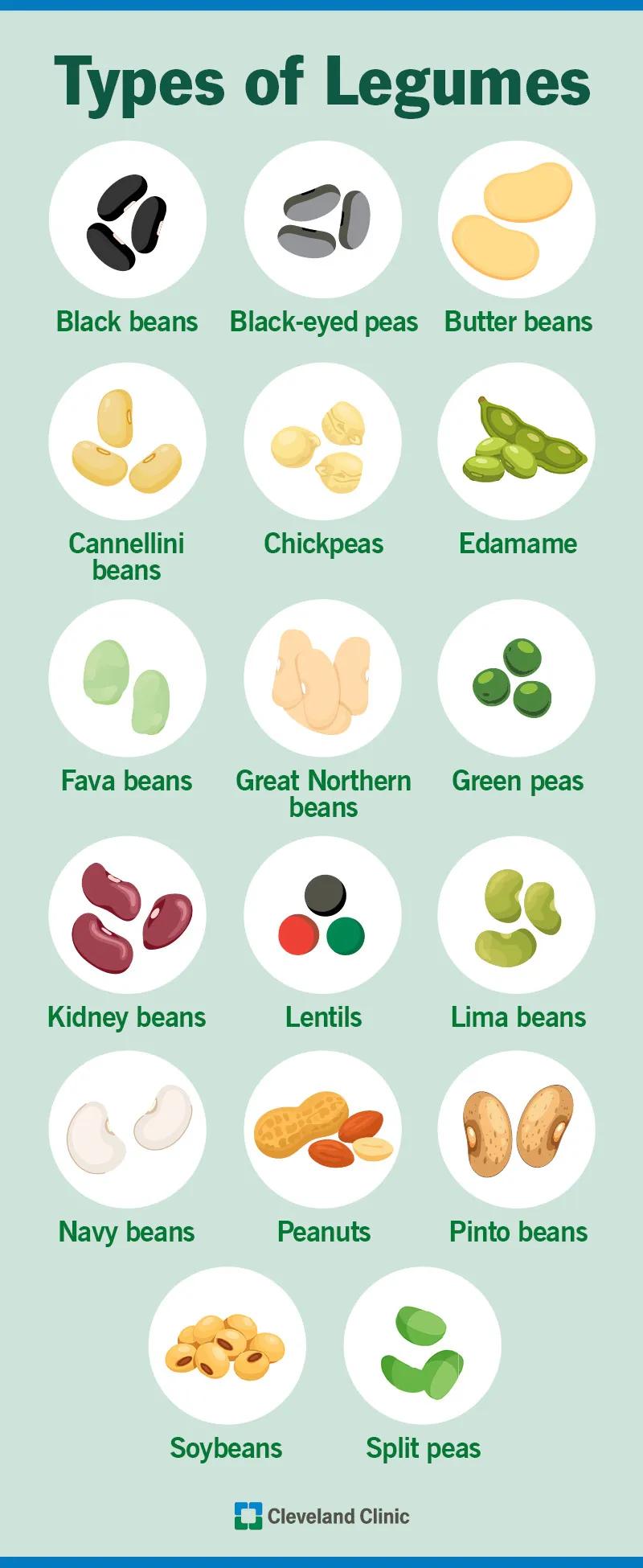
Image content: This image is available to view online.
View image online (https://assets.clevelandclinic.org/transform/889dad3c-773d-4144-afe3-bc7e3557d756/legumes-infographic)
Advertisement
The United States Department of Agriculture (USDA) recommends eating four to five servings of legumes a week. A serving is about a 1/2 cup of cooked or canned legumes.
And it’s easy to see why. They provide a lot of nutritional benefits that can affect your health in a variety of ways.
Zumpano shares more.
Looking to step up your protein game? Legumes can help you reach your goals. There are about 6 to 8 grams of protein per serving.
Some outstanding options for protein?
“Legumes can be an excellent source of plant-based protein, especially if you’re limiting or avoiding meat,” notes Zumpano.
Fiber is essential for your body to function at its best. For example, eating enough fiber each day can help you:
And the good news? “Legumes can be a healthy way to get enough fiber each day,” says Zumpano. “They typically have about 4 to 8 grams of fiber per serving.”
A few standouts when it comes to fiber?
Legumes are considered a low glycemic index food, which means they may help prevent spikes in blood sugar levels. The fiber also helps slow down how quickly your body absorbs carbohydrates.
Advertisement
Another factor? “The resistant starches found in legumes act as a fiber, fermenting slowly and feeding the good gut bacteria, instead of breaking down into glucose and spiking your blood sugar,” explains Zumpano.
“So, resistant starches can reduce inflammation and help improve insulin, digestion and satiety.”
Research shows that all these qualities make legumes a good choice for supporting metabolic health and managing blood sugar. And that can help lower your risk of Type 2 diabetes.
Whether you’re eating green peas or kidney beans (or any kind of legume!), you’ll also get some important heart-health protection, according to recent research.
Thanks to their fiber content, legumes can help lower your LDL (“bad”) cholesterol. And essential minerals — think potassium and magnesium — may help reduce the risk of high blood pressure.
“Overall, eating legumes can be great for your heart,” says Zumpano. “As it’s a low-fat food, substituting it for red meat and other forms of animal-based protein can help cut down on the amount of saturated fat you’re consuming. This can help keep your cholesterol at healthy levels.”
“Research shows that legumes, especially if eaten on a regular basis, may help with weight management,” shares Zumpano. “They’re very filling, and they’re very satiating.”
Advertisement
That’s because of the amounts of fiber and protein found in them. And because they’re a low glycemic index food and contain resistant starches, eating them can help manage cravings.
Need another reason to add more legumes to your meals? Research suggests that regularly eating them can play an important role in your digestive health.
“Legumes basically act as prebiotic,” explains Zumpano. “The resistant starch found in peas, beans and lentils travels undigested to your colon to feed it beneficial gut bacteria.”
A healthy gut can help you:
Legumes are generally safe for everyone. But there are a few considerations when eating them.
The most common side effect is gas and bloating. Zumpano suggests starting out with about a 1/4-cup serving once a day and giving your body time to adjust before adding more to your meals.
But if you have a gastrointestinal condition, like irritable bowel syndrome (IBS), and are currently following a low-FODMAP diet, you may need to limit or avoid legumes. They’re a high-FODMAP food, which means your body may have trouble digesting them.
Advertisement
That being said, you don’t need to limit all legumes on a low-FODMAP diet. For example, lentils, peanuts and chickpeas are considered low-FODMAP options.
High-FODMAP foods can cause symptoms, like:
Both canned and dried are nutritious options, but Zumpano offers some advice on how to choose:
Advertisement
There are endless ways to use legumes in your meal planning. Try them in:
“You can also use black beans to make a plant-based burger,” shares Zumpano. “Or some legumes, like chickpeas, can be used in baking.”
There are plenty of reasons to love legumes. Protein? Check. Fiber? Check. Vital nutrients? Check.
And eating them consistently can benefit your health in big ways.
“Legumes are small, but mighty,” concludes Zumpano. “In addition to all the potential benefits, they’re a versatile ingredient that can be used in everything from appetizers to desserts.”

Sign up for our Health Essentials emails for expert guidance on nutrition, fitness, sleep, skin care and more.
Learn more about our editorial process.
Advertisement
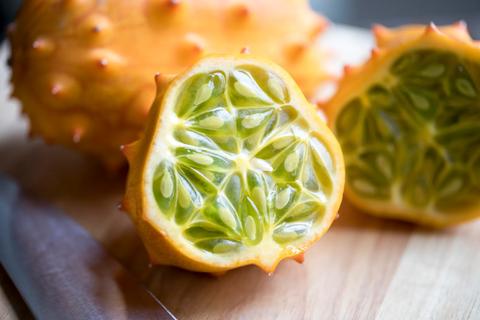
While there’s limited research, the horned melon contains nutrients that may help with your immune system and skin health

This tropical fruit is a good source of fiber and vitamin C, but it can be unsafe for people with kidney problems
Products like turmeric, fish oil and probiotics blur the line between food and supplements
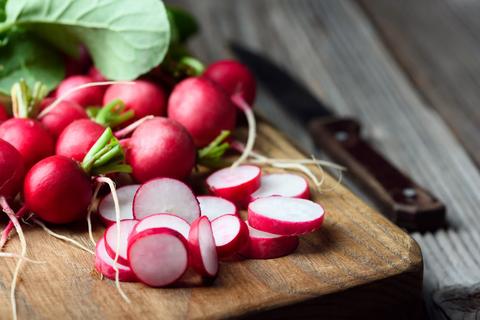
The root vegetable is a low-calorie food that may help with gut health
This East Asian and subtropical fruit is packed with delicious nutrition
Lean meats, fish, dairy and plant proteins can help you meet your protein needs without piling on saturated fat and sugar

This citrus fruit delivers vitamin C, fiber and other nutrients that can support your heart, immune system and skin

Protein is essential in your diet, but piling more onto your plate isn’t always better

This low-impact activity could boost your cardiorespiratory health

The advice dates to 1574, but it falls a little short given what we know today

Most tongue pain isn’t too serious, but seek help if it’s severe or lasts longer than a few weeks
 Search