Locations:





High-FODMAP foods contain specific carbohydrates that may irritate your GI tract if you have IBS, SIBO or other digestive disorders

Image content: This image is available to view online.
View image online (https://assets.clevelandclinic.org/transform/8a9336ce-e9b5-4825-b9f6-11ea191bef26/grocery-shopping-1854164319)
Person picking out apples at grocery store
If you’re living with belly pain, bloating or cramping, your healthcare provider may have recommended avoiding high-FODMAP foods for some time. That’s a typical strategy for detecting whether certain foods are triggering symptoms of irritable bowel syndrome (IBS) or other GI concerns.
Advertisement
Cleveland Clinic is a non-profit academic medical center. Advertising on our site helps support our mission. We do not endorse non-Cleveland Clinic products or services. Policy
But what are high-FODMAP foods? And what can you eat instead? Registered dietitian Michelle Dodd, RD, LD, explains.
High-FODMAP foods have high amounts of short-chain carbohydrates that aren’t always well absorbed by your body. It’s an acronym that stands for
“High-FODMAP foods travel to your large intestine and get fermented by your gut bacteria,” Dodd explains. “They also draw extra water into your intestines.”
Together, those processes can lead to symptoms like gas, bloating, abdominal pain, diarrhea and constipation in people with sensitive digestive systems.
But that doesn’t mean high-FODMAP foods are unhealthy.
“Many healthy foods are high in FODMAPs,” she continues. “But some people are better off avoiding specific ones that are found to trigger their symptoms.”
Many everyday foods are high in FODMAPs. If your healthcare provider has suggested cutting out high-FODMAP foods to test their effect on your gut health, here are some of the ones you’ll want to avoid.
Some fruits contain higher amounts of fructose or sugar alcohols (polyols), which can be difficult to digest. Common high-FODMAP fruits include:
Advertisement
Low-FODMAP swaps: Cantaloupe, grapes, kiwi, oranges, pineapple and strawberries
Several vegetables are naturally rich in fermentable carbohydrates. Common high-FODMAP vegetables include:
Low-FODMAP swaps: Bell peppers, bok choy, carrots, cucumbers, eggplant, green beans, lettuce, potatoes, tomatoes and zucchini
Some dairy products are considered high-FODMAP foods. That includes:
Low-FODMAP swaps: Lactose-free milk, almond milk, soy milk made from soy protein, brie, Camembert and hard cheeses
Many high-protein foods are naturally low in FODMAPs. But some can trigger digestive symptoms because of the carbohydrates they contain — or because they’re seasoned with high-FODMAP ingredients.
High-FODMAP proteins include:
Low-FODMAP swaps: Eggs, firm tofu, tempeh, and cooked meat, poultry or seafood seasoned with herbs, lemon juice or olive oil
Fermentable carbohydrates are found in many wheat products. High-FODMAP grains include:
Low-FODMAP swaps: Oats, rice, quinoa, corn products, and breads made without wheat, rye or barley
Some sweeteners contain fructose or sugar alcohols that can trigger digestive symptoms.
High-FODMAP sweeteners include:
Low-FODMAP swaps: Maple syrup, rice malt syrup, table sugar and small amounts of dark chocolate without high fructose corn syrup
Most nuts are low in FODMAPs — but cashews and pistachios are considered high-FODMAP foods and should be avoided.
Low-FODMAP swaps: Macadamia nuts, peanuts and walnuts
Most people digest high-FODMAP foods without any problems. A temporary low-FODMAP diet is typically recommended only for people with digestive disorders, such as:
Even then, the diet isn’t meant to be permanent. High-FODMAP foods can support a healthy gut by feeding beneficial bacteria. So, it’s not recommended to avoid them for the long term.
“A low-FODMAP diet is a short-term eating pattern that can help you and your team better understand what foods are causing you trouble,” Dodd explains. “Even people with IBS, SIBO and other digestive disorders can typically eat a range of high-FODMAP foods without trouble.”
Advertisement
The goal is to eat the widest variety of foods possible while avoiding only the specific ones that consistently cause symptoms.
“You shouldn’t avoid high-FODMAP foods without oversight by a healthcare provider, like a doctor or registered dietitian,” Dodd emphasizes. “Restricting too many foods for too long can increase your risk of nutrient deficiencies and make the diet harder to sustain.”
If your healthcare provider has advised trying a low-FODMAP diet, talk with them about exactly which foods to avoid and for how long.
Advertisement

Sign up for our Health Essentials emails for expert guidance on nutrition, fitness, sleep, skin care and more.
Learn more about our editorial process.
Advertisement

An expert explains a complicated relationship

From sauerkraut to kimchi, these foods can help keep your gut healthy
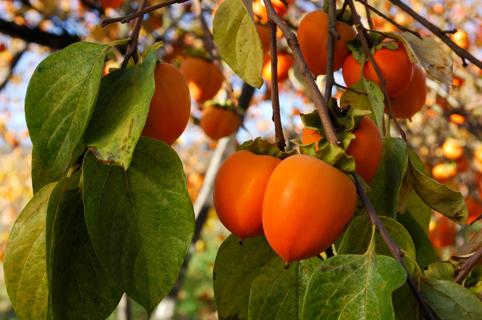
This East Asian and subtropical fruit is packed with delicious nutrition

They’re both essential minerals, but they do different jobs in your body
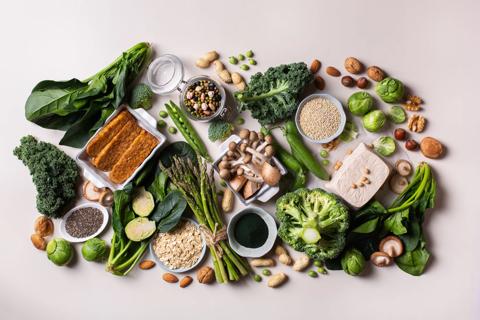
You can get a good amount of protein from eating lentils, beans, tofu, grains, seeds and nuts
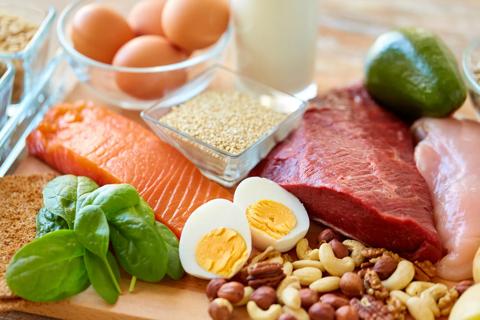
Lean meats, fish, dairy and plant proteins can help you meet your protein needs without piling on saturated fat and sugar
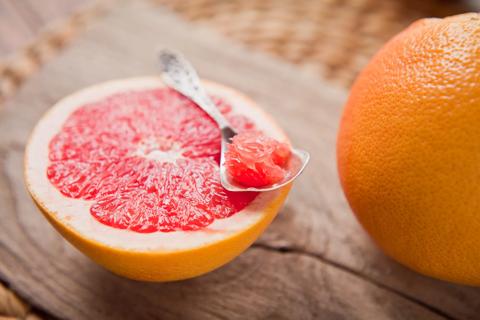
This citrus fruit delivers vitamin C, fiber and other nutrients that can support your heart, immune system and skin

Protein is essential in your diet, but piling more onto your plate isn’t always better

Hormonal changes, a slower metabolism and muscle loss can make weight gain more common around menopause — healthy habits can help you manage it

Life-threatening complications include sepsis, stroke, pneumonia and more

Fruity-smelling breath can happen when your body burns fat for energy, and in some cases, can signal a medical emergency
 Search










