Locations:


A healthy diet is important for your kid’s well-being, but diet changes alone aren’t a treatment for ADHD
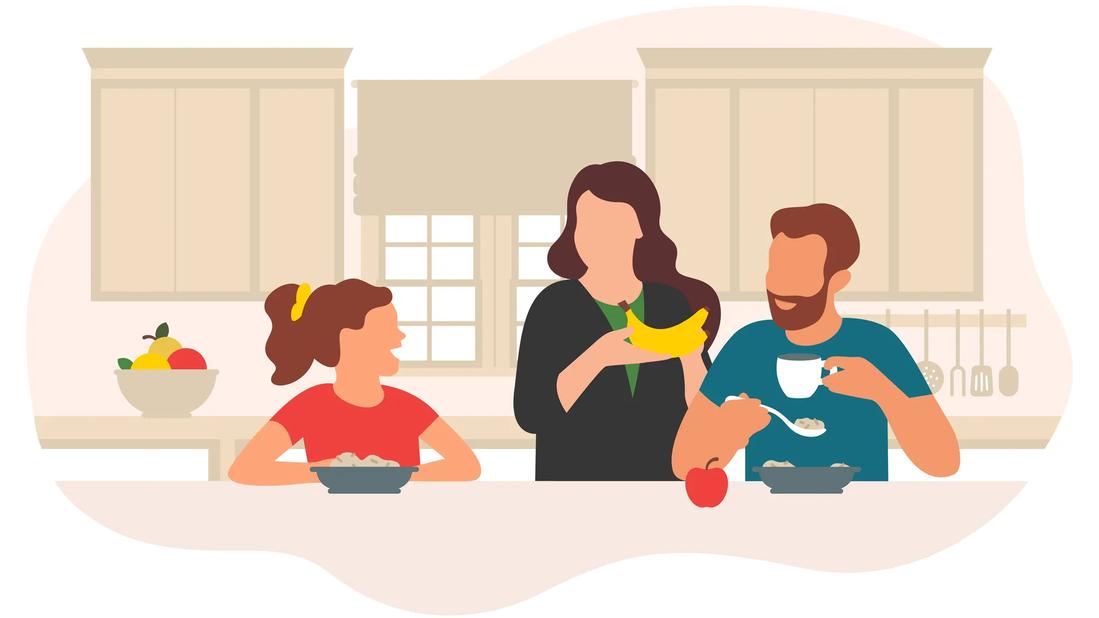
Image content: This image is available to view online.
View image online (https://assets.clevelandclinic.org/transform/0717fd9d-c3cb-4fd5-bd88-081c503067e4/ADHD-Diet-1290166030)
Family having healthy breakfast togethe, with oatmeal and fruits
If you have a child with attention-deficit/hyperactivity disorder (ADHD), you want to do everything you can to help them. So, when you hear advice suggesting that iron can improve focus or that saffron works just as well as medication, it can be tempting to believe it.
Advertisement
Cleveland Clinic is a non-profit academic medical center. Advertising on our site helps support our mission. We do not endorse non-Cleveland Clinic products or services. Policy
The trouble is that those claims (and others like them) can be misleading. What your child eats does matter. Just maybe not in the way you’re thinking.
“In truth, there really aren’t any diet changes that show great promise for helping with ADHD symptoms,” says developmental pediatrician Carrie Cuffman, MD. “But a healthy diet is important for kids’ brains and their overall health.”
Dr. Cuffman explains what to know about ADHD and your child’s diet.
Contrary to those lists you may see about the “best foods for ADHD,” there’s no specific diet that’s recommended for it.
Instead, Dr. Cuffman advises sticking to a balanced diet as much as possible. That means getting a variety of whole and minimally processed foods.
“It’s not a matter of eating specific foods,” she clarifies. “The best advice is to meet their nutritional needs. That’s what’s going to keep their brains healthy and their bodies growing well.”
What does that mean, practically speaking? Focus on:
Advertisement
If your child has a nutritional deficiency or another health condition that would benefit from specialized nutrition, their providers may suggest dietary changes or supplements to manage those concerns.
A healthy ADHD diet doesn’t mean your child has to avoid any specific foods. But maintaining a healthy diet naturally means limiting things like:
Again, that’s not to say that these foods will make ADHD worse. And it doesn’t mean your child can never have a cheeseburger or candy bar.
But keeping their intake low is best for their well-being. It helps keep their blood sugar stabilized and saves space for nutritious choices. That’s true for any kid (and adult) — whether they have ADHD or not.
We all know it’s not always easy to get kids to eat what the adults in their lives know is best for them. It’s no surprise if “Eat your broccoli” isn’t always met with glee.
And kids with ADHD can have some additional challenges when it comes to following healthy eating habits. Dr. Cuffman offers these tips:
Above all, don’t get caught up in monitoring their diet at the expense of keeping up with evidence-based treatments.
“Diet alone isn’t an ADHD treatment,” Dr. Cuffman reiterates. “Follow your healthcare provider’s recommendations for medication, therapy and environmental interventions. Those are the things that we know can help.”
Advertisement

Sign up for our Health Essentials emails for expert guidance on nutrition, fitness, sleep, skin care and more.
Learn more about our editorial process.
Advertisement

Boys are more likely to exhibit easily noticed hyperactive symptoms, while girls often show subtler, quieter signs of the condition

While the ADHD medications are similar, variations may make one a better choice over the other for you
While the ADHD medications are similar, some differences may make one more effective for you than the other

ADHD can present differently from child to child and can change with age

ADHD replaced ADD as a more accurate term for a common neurodevelopmental disorder
Background stimulation and intentional fidgeting may actually help you stay on task

A booster dose, healthy snack and some downtime may help ward off a medication rebound

Working side by side with another person can improve focus, build accountability and provide motivation to get a task done (or at least started)

This simple practice can help you notice what’s meaningful, comforting or going well
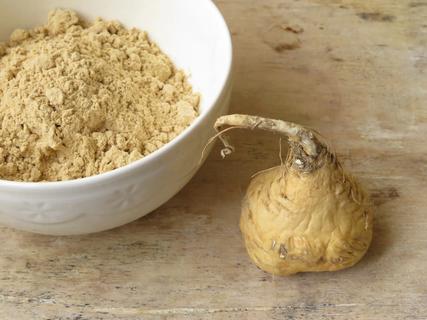
Maca root supplements claim benefits like sexual health, menopause symptom relief and more energy — but human research is limited

It can take a few months — and you’ll need to put down the tweezers to give your brows time to recover
 Search