Locations:





 Search
From rice cakes to veggie straws, their answers may surprise you
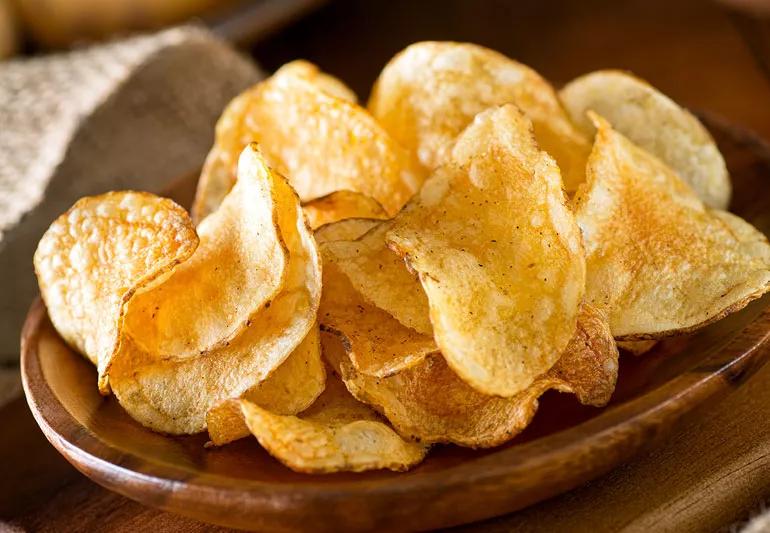
Image content: This image is available to view online.
View image online (https://assets.clevelandclinic.org/transform/cac33a9c-7121-4073-97ac-99fbc27acba1/worstSnacks-527905022-770x533-1_jpg)
potato chips in a dish
Grrrrowwwl. What do you do when your stomach starts complaining midway through the afternoon or just before bed?
Advertisement
Cleveland Clinic is a non-profit academic medical center. Advertising on our site helps support our mission. We do not endorse non-Cleveland Clinic products or services. Policy
Before you visit the vending machine or scour your fridge for snacks you think are healthy, you may want to scan the list below first.
Cleveland Clinic dietitians weigh in on the seven worst snacks for tiding you over between meals that people actually think are healthy for them. Here’s how they voted:
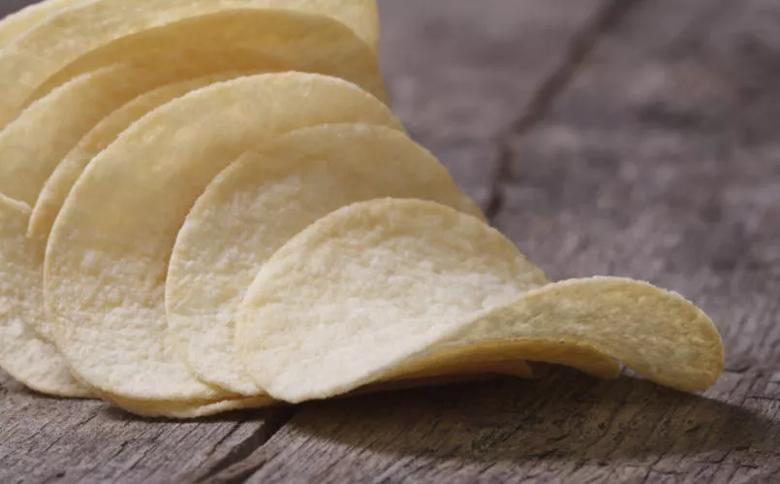
Image content: This image is available to view online.
View image online (https://assets.clevelandclinic.org/transform/5dc20301-5fe1-49f9-a8d3-2436ed40416f/GettyImages-520916185-e1462378974397_jpg)
They’re highly processed and often so low in fat that you can consume large quantities without ever feeling full. This can increase blood sugar and cause an insulin surge, promoting fat storage.
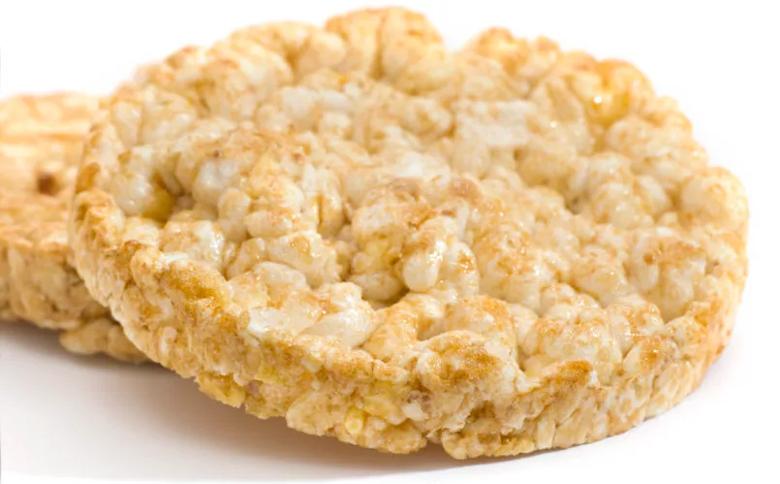
Image content: This image is available to view online.
View image online (https://assets.clevelandclinic.org/transform/479d363b-c655-4f6a-979f-d7ab2e485b7c/GettyImages-157480236-e1462379233463_jpg)
You think you can eat a lot of them since they’re lower in calories. But rice cakes are often artificially flavored and are really just a carb with little to no nutrition. It’s recommended that you eat a small serving of ½ cup of brown rice instead. It’s much more nutritious and satisfying — and has way less calories in the end.
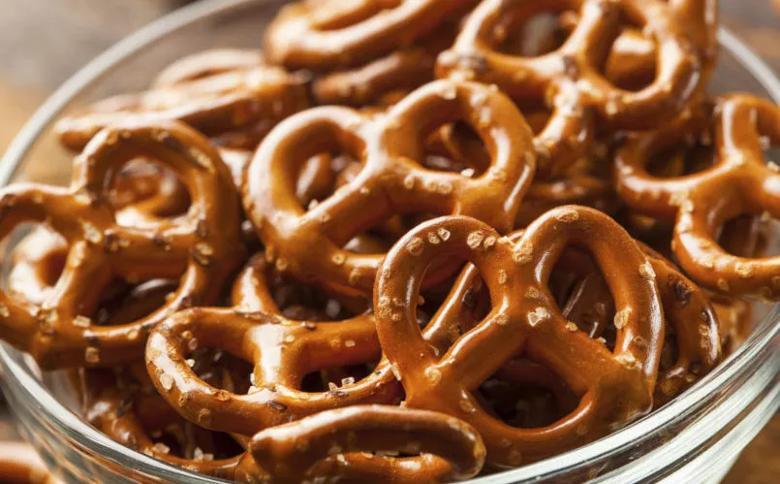
Image content: This image is available to view online.
View image online (https://assets.clevelandclinic.org/transform/d1b99db7-3697-4e2b-94ec-1d2bce8c9420/GettyImages-463681837-e1462379319349_jpg)
These little misleaders are a nutrient “zero” and do nothing but put your insulin and blood sugar on a roller coaster. This, in turn, makes you more hungry.
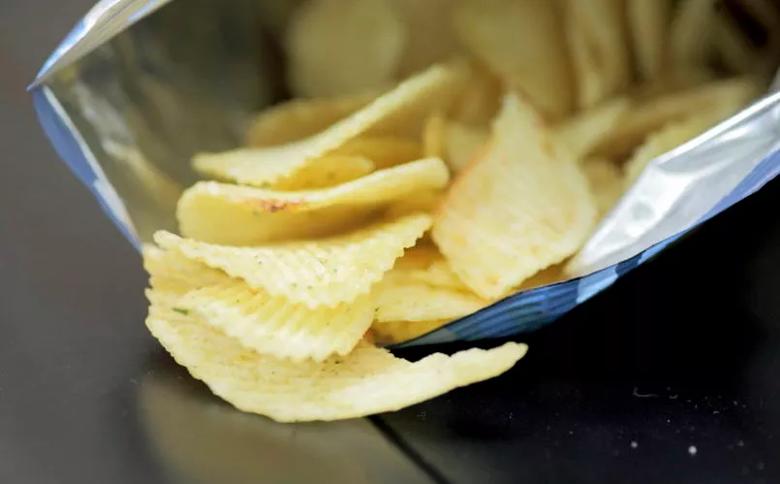
Image content: This image is available to view online.
View image online (https://assets.clevelandclinic.org/transform/642e1ab6-8671-41c7-89f9-76542d198acc/GettyImages-176029628-e1462379448515_jpg)
Potato chips lack any significant nutritional value, therefore are empty calories, period. They’re also high in fat, and low in fiber and protein.
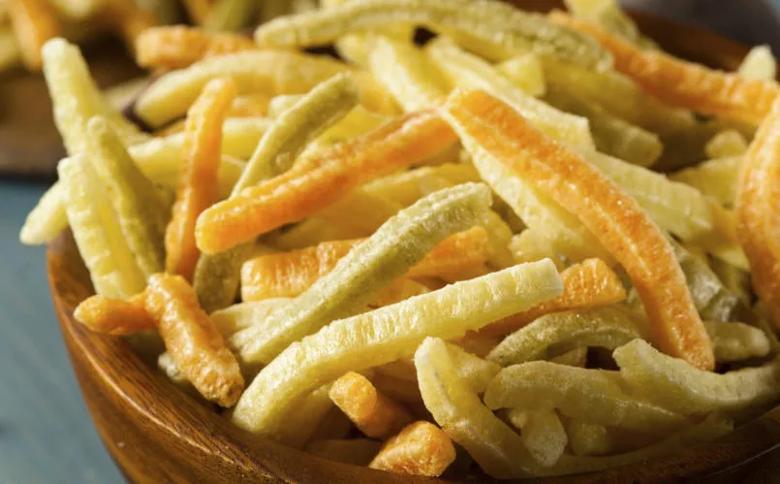
Image content: This image is available to view online.
View image online (https://assets.clevelandclinic.org/transform/e092b41e-24db-4d85-88a4-ce9b85902b63/GettyImages-515773655-e1462379920527_jpg)
These are like a wolf in sheep’s clothing. People think these heavily-processed snacks are healthy because they’re made of vegetables. But veggie sticks and straws lack fiber and protein, and are practically devoid of nutrients. They may be a bit lower in fat than chips, but why not just eat the real thing? Dip raw bell peppers, carrots, cucumbers, broccoli, and grape tomatoes in hummus and you’ll get lower fat and more nutrients.
Advertisement

Image content: This image is available to view online.
View image online (https://assets.clevelandclinic.org/transform/92a30212-d25c-4e87-b9f3-d79c3c7aeaef/GettyImages-147075445-e1462379579979_jpg)
Home-made smoothies can be power-packed with nutrients. But grab-and-go smoothies, even from your best local smoothie shop or grocery store, are often jam-packed with added sugar (often, from fruit juice) and calories. You can run up 300-700 calories with this quick “snack,” which won’t keep you feeling full like a good snack should.
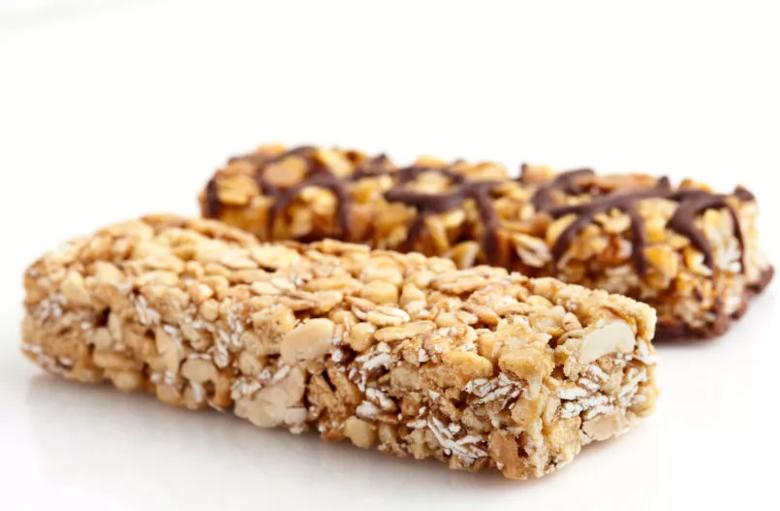
Image content: This image is available to view online.
View image online (https://assets.clevelandclinic.org/transform/31af5bba-acaf-4529-a957-eab8f928e029/GettyImages-155153812-e1462379675798_jpg)
These are often disguised as ‘healthy candy bars’ and can contain large amounts of sugar with very little protein and fiber. Be aware of ingredients, and read the nutrient label.
So, before you eat something that you think is healthy, read the label first and see what you’re really getting. This best practice will keep you from eating a whole lot of food void of nutritional benefits and loaded with salt, sugar and fat.
Advertisement

Sign up for our Health Essentials emails for expert guidance on nutrition, fitness, sleep, skin care and more.
Learn more about our editorial process.
Advertisement
Eating about 20 to 30 grams of protein for your first meal can help you feel fuller longer and fend off cravings
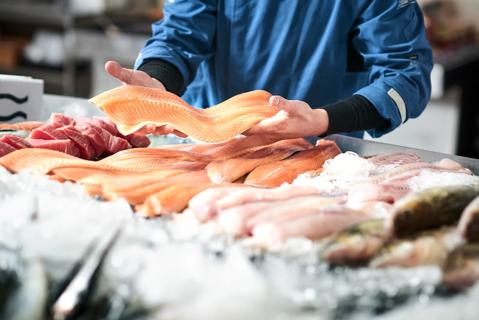
The best choices are high in omega-3s and protein and low in mercury
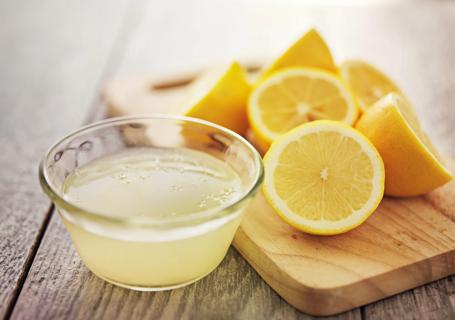
This bright citrus juice is packed with vitamin C and other nutrients that support your health
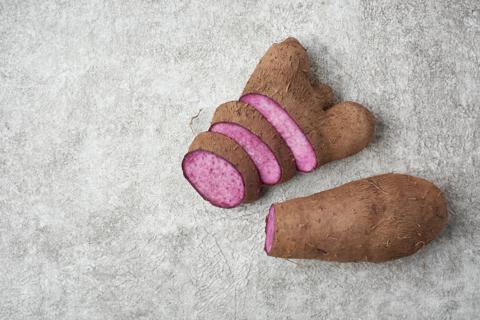
This vibrant purple yam offers vitamin C, fiber and antioxidants in every bite

Look for foods with a variety of nutrients that last a long time and work in multiple meals — like legumes, whole grains and frozen or canned produce

The traditional hot dog isn’t exactly a nutritious choice, but that doesn’t mean you can’t enjoy one here and there

Searching nature for edible items requires training and knowledge to avoid poisonous plants
Grocery shopping with a plan, paying attention to portion sizes and eating at your own pace can all help you put an end to this habit

Your period may occasionally line up with someone else’s, but science suggests coincidence is responsible — not a mysterious biological connection

Most penis-enlargement products, devices and procedures deliver only modest (if any) gains

Make meals with lean proteins, non-starchy vegetables and complex carbohydrates











