Locations:





Eating this root vegetable can help support your eye, heart and brain health

Image content: This image is available to view online.
View image online (https://assets.clevelandclinic.org/transform/be833b2b-ac41-4d4a-88f4-4aef8e3a5827/baked-carrots-tray-2163052582)
Baked whole rainbow carrots on a baking tray
Who can resist delicious, crunchy carrots? But are carrots healthy?
Advertisement
Cleveland Clinic is a non-profit academic medical center. Advertising on our site helps support our mission. We do not endorse non-Cleveland Clinic products or services. Policy
Yes! Packed with vitamins, minerals and fiber, this veggie is a fan favorite. And it’s low in calories. Some other impressive facts to consider? The root vegetable can support your eye, heart and brain health, as well as aid in weight management.
Registered dietitian Anna Taylor, RD, LD, CDE, shares how carrots can play a tasty role in your health.
Carrots are an incredibly healthy snack to munch on or work into your meals. You can eat them raw or cooked.
Two medium raw carrots (about 100 grams) have approximately:
It also provides the following nutrients:
So, what are carrots good for? Chomping on some carrots may help your health in the following ways.
Alpha-carotene and beta-carotene are two types of carotenoids, which are antioxidant pigments found in carrots. They’re known to help decrease your risk of age-related macular degeneration and cataracts.
“The beta-carotene found in carrots also helps make rhodopsin, which helps prevent night blindness by supporting low-light vision,” says Taylor.
Advertisement
High blood cholesterol and heart disease can go hand-in-hand. Research shows that the phenolic compounds in carrots may also help keep your cholesterol levels in a healthy range.
The fiber in carrots may help regulate your blood sugar, making them a good low glycemic option. And research shows that the beta-carotene in carrots may help reduce insulin resistance.
“I’ve heard people worry about the carbohydrate content of carrots before. But the fiber-rich carbohydrates found in non-starchy vegetables such as carrots don’t cause diabetes or spike blood sugar levels,” explains Taylor. “On the contrary, a diet rich in non-starchy vegetables and other minimally processed plant foods supports insulin sensitivity and balanced blood sugar levels.”
Carrots contain lutein, one of the carotenoids known to help with eye health. But this antioxidant may also benefit your brain health, according to research.
“Lutein’s antioxidant and anti-inflammatory effects help prevent neural damage by free radicals and suppress neuroinflammation, while also protecting against mitochondrial dysfunction,” says Taylor.
Just about 1/2 cup of raw carrots has 51% daily value of vitamin A. This vitamin A content actually comes from provitamin A carotenoids, which help your body fight infections.
As 1/2 cup of carrots only has 41 calories, they can actually help you feel fuller longer and, in turn, decrease the amount of calories you eat.
“If you’re looking to lose weight, try adding more non-starchy vegetables, such as carrots, into your food rotation,” suggests Taylor. “Aim for at least three servings of vegetables per day.”
Thanks to their fiber content, carrots can be a good way to help keep your bowel movements regular.
“Less than 5% of U.S. adults consume the recommended amount of fiber. The average intake is about 15 to 17 grams per day, which is about half the recommended amount,” shares Taylor. “Non-starchy vegetables provide fiber with very few calories. For example, one serving of carrots contains around 3 grams of fiber, but only about 45 calories. This means they’re nutrient-dense, not calorie-dense.”
Did you know that carrots come in a variety of colors? It’s true! Whatever their color, all carrots are filled with nutrients — so, why not sample the rainbow? Taylor breaks down which nutrients create each hue.
Advertisement
Carrots are considered safe for most people. Some people may have an allergic reaction, especially if you’re allergic to certain types of pollen, like birch or mugwort. This is called oral allergy syndrome and isn’t considered a food allergy.
What happens if you eat too many carrots? Orange carrots are higher in beta-carotene, an antioxidant pigment. Eating too many can briefly turn your skin orange — but this side effect is harmless.
When it comes to carrot nutrition, eating more of the root vegetable can benefit your health in a variety of ways.
Think about adding carrots to your soups or stews or roasting them as a side. Shred them for a carrot slaw, boil and mash them for an alternative to mashed potatoes, or pickle them for a fun sandwich topper. Caramelize carrots by sautéing them in olive oil and sprinkling with thyme or ginger. And raw baby carrots with hummus make a healthy snack.
“One of the easiest ways to eat healthier is to include at least three to five servings of non-starchy vegetables per day,” concludes Taylor. “Carrots are an affordable, nutrient-dense and versatile option that are popular among kids, as well as adults — what a great place to start!”
Advertisement

Sign up for our Health Essentials emails for expert guidance on nutrition, fitness, sleep, skin care and more.
Learn more about our editorial process.
Advertisement

From sauerkraut to kimchi, these foods can help keep your gut healthy

This East Asian and subtropical fruit is packed with delicious nutrition

Lean meats, fish, dairy and plant proteins can help you meet your protein needs without piling on saturated fat and sugar

Choosing snacks with protein can help curb hunger, support muscle health and keep your energy steady between meals

Fish packs plenty of protein, heart-healthy fats and other body-boosting nutrients into every bite

Both are healthy choices, but wild-caught salmon offers a few more benefits
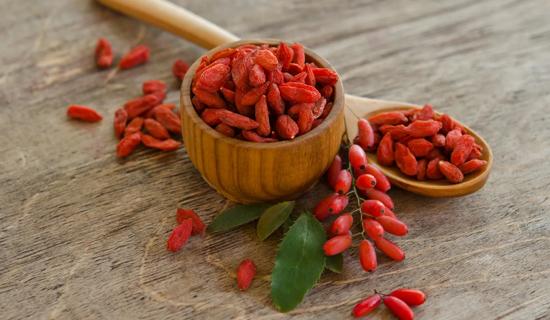
These bright berries are packed with nutrients and antioxidants that may support your eyes, immune system and overall well-being

The general rule is 1.2 to 1.6 grams of protein per kilogram of body weight — but that may not be exactly right for you

Managing your weight through physical activity may lower your chances of getting this common cancer

It typically starts in October and winds down in early spring, with cases at their highest in the middle of winter

Anxiety disorders, health conditions and past trauma can make driving nerve-wracking — help is available
 Search










