Locations:





While similar in some respects, teeth and bones have key differences, like durability and structure
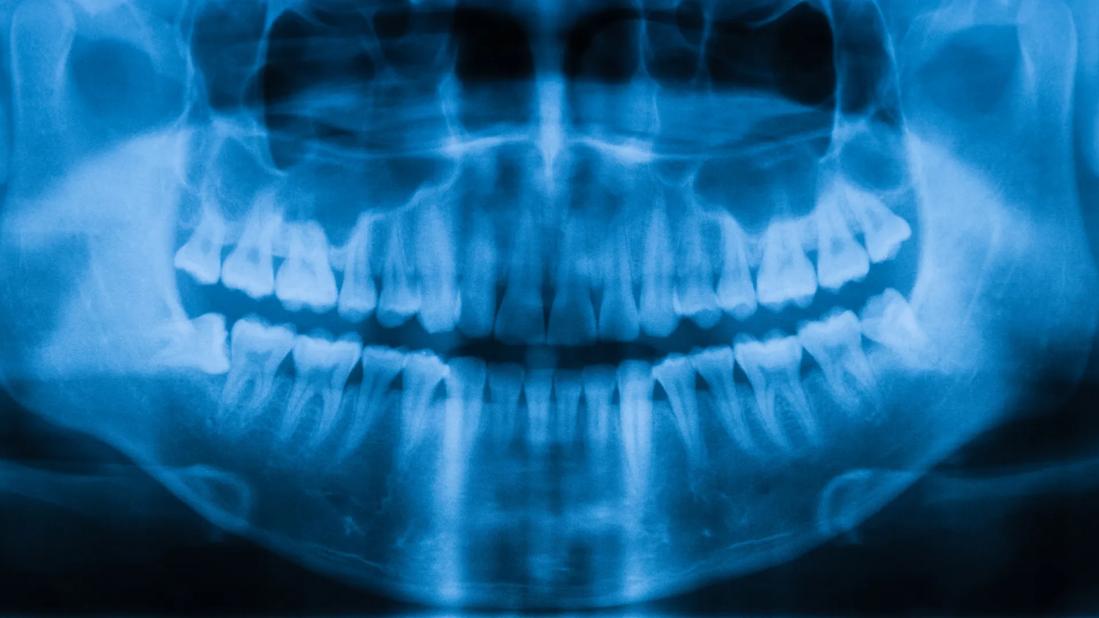
Image content: This image is available to view online.
View image online (https://assets.clevelandclinic.org/transform/06313c9c-4a8e-4c5f-996e-e8a50c86d35c/panoramic-xray-teeth-612240162)
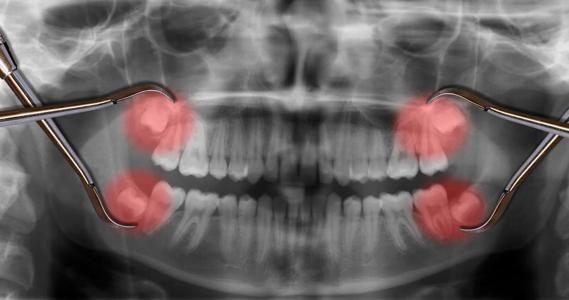
Panoramic X-ray of jaw and teeth
Teeth are white, hard and anchored into your jaw. Plus, they’re a key feature on every grinning Halloween skeleton. So, it’s natural to wonder: Are teeth bones?
Advertisement
Cleveland Clinic is a non-profit academic medical center. Advertising on our site helps support our mission. We do not endorse non-Cleveland Clinic products or services. Policy
Let’s get our answer from dentist Sonoko Nakasato, DMD.
The short answer is no.
Teeth may seem similar to bones in strength and appearance, but they’re made of unique materials that set them apart from your skeleton. (More on that in a moment.)
Teeth and bones are also quite different in purpose. In the most basic of explanations:
Bones form your skeleton to give your body shape, support your weight and protect vital organs.
Teeth help you bite, tear and grind food, while also playing a role in clear speech.
“Teeth are structural in some ways for your face, but they also play a very functional role in your body,” says Dr. Nakasato. “Think of them more like specialized tools than part of your overall skeletal frame.”
Bones may be hard, but your teeth are harder. In fact, tooth enamel — the protective outer shell of teeth that allows you to crunch and munch food safely — is the hardest substance in your body.
“Enamel has to be incredibly strong given what teeth are asked to do,” says Dr. Nakasato. “Chewing puts a lot of pressure on your teeth. They need to be tough.”
On the Mohs hardness scale, which measures resistance to scratching, enamel earns a hardness of 5. That’s higher than certain types of iron and steel, as well as metallic minerals, like copper, gold and silver.
Advertisement
Bone hardness can be as high as 5, but it’s generally below enamel on the Mohs scale.
But while tooth enamel is hard, it’s not indestructible, cautions Dr. Nakasato. Tooth enamel is thin and brittle, leaving it more vulnerable to chipping or cracking than bone. Enamel wear can also result from aging, teeth grinding or even brushing too hard.
Teeth have a layered design with four main parts — enamel, dentin, cementum and pulp. Compared to bones, teeth have a more mineralized structure designed for chewing and gnawing.
As we just mentioned, enamel is the outer layer. Its hardness comes from tightly packed mineral crystals, especially calcium-rich hydroxyapatite. (Bone also has hydroxyapatite, but less than tooth enamel.)
Beneath that is dentin, a softer layer sensitive to pressure and temperature. Deeper still is the pulp, where nerves and blood vessels live. And anchoring everything in place is cementum, which connects each tooth to your jaw.
“Together, these layers give teeth their strength and sensitivity,” says Dr. Nakasato.
Teeth share some common materials with bone, including hydroxyapatite and collagen, a protein that helps hold tissues together. But the proportions are different, which helps set the two apart.
The outer shell of your teeth is just … well, a hard outer shell. It’s not living tissue.
Bone, on the other hand, is living tissue. It contains living cells and has a blood supply. This allows bones to grow, repair small fractures and remodel over time.
“Bones are constantly breaking down and rebuilding,” says Dr. Nakasato. “Your tooth enamel can’t do that.”
That difference explains why a chipped tooth remains chipped unless a dentist repairs it. Once tooth enamel is damaged, it’s gone. It’s not going to regenerate so you can flash a better smile.
“That’s why good dental care matters so much,” she emphasizes. “Your enamel can’t fix itself. You only get one shot at protecting it.”
So, brush your teeth twice daily for two minutes at a time, floss every night and schedule regular dental check-ups to help keep your pearly whites healthy. It’s really important — make no bones about it.
Advertisement

Sign up for our Health Essentials emails for expert guidance on nutrition, fitness, sleep, skin care and more.
Learn more about our editorial process.
Advertisement
Building meals around soft and easy-to-swallow foods can help the healing
While most people have their wisdom teeth removed, keeping them can come with benefits

Wisdom teeth can cause headaches when they emerge or if they become impacted
Tooth gems may be safe when your dentist applies them, but there are still risks
Extraction isn’t always necessary, but getting the ‘extra’ teeth out may limit future issues
Your gums may need a closer look by a dentist if they’re bleeding, feeling extra tender or becoming red
Your skeleton has a lot of moving parts, jobs and abilities!

Bone health starts with proper nutrition, exercise and healthy lifestyle changes

Managing your weight through physical activity may lower your chances of getting this common cancer

It typically starts in October and winds down in early spring, with cases at their highest in the middle of winter

Anxiety disorders, health conditions and past trauma can make driving nerve-wracking — help is available
 Search










