Locations:





While most people have their wisdom teeth removed, keeping them can come with benefits
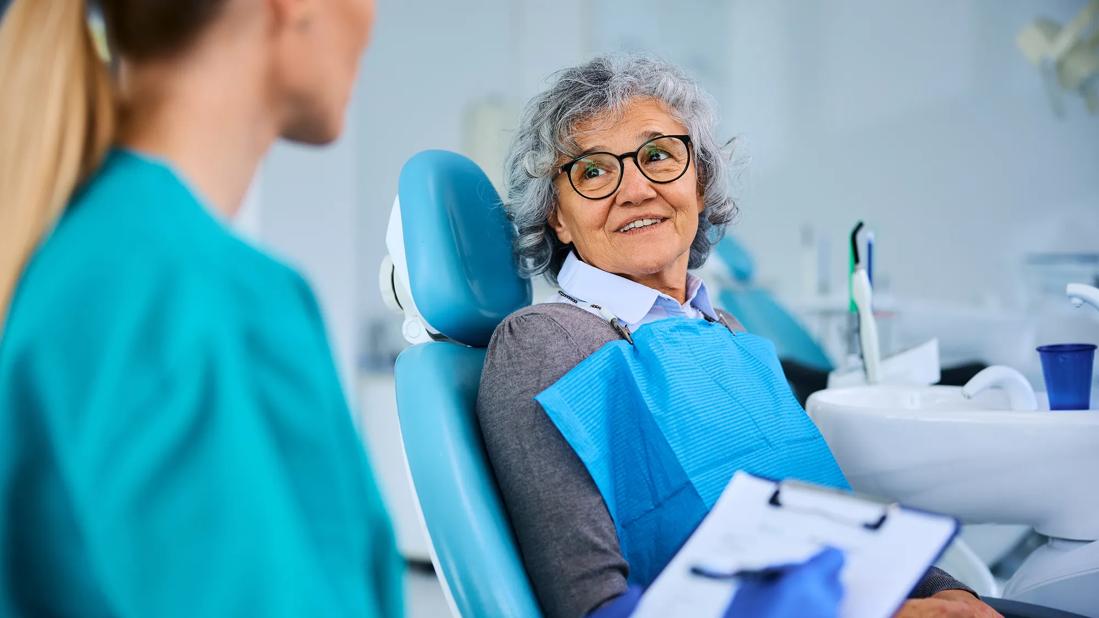
Image content: This image is available to view online.
View image online (https://assets.clevelandclinic.org/transform/6649f4ac-bf1b-4571-a958-ccf337761a73/person-talks-dentist-1942685277)
Person sitting in dental exam chair, speaking with dental provider
Wisdom teeth carry a well-earned reputation as troublemakers. They might come in crooked, for instance, or get impacted and stuck under your gums. They might not even fit within your mouth.
Advertisement
Cleveland Clinic is a non-profit academic medical center. Advertising on our site helps support our mission. We do not endorse non-Cleveland Clinic products or services. Policy
For these reasons and more, an estimated 85% of people get their wisdom teeth removed at some point.
But guess what? It’s OK if you’re one of the 15% keeping those late-arriving chompers.
“If you have enough space for your wisdom teeth and they’re functioning normally, there’s no reason they automatically need to come out,“ says oral and maxillofacial surgeon Alan Martinez Lopez, DDS.
Healthy wisdom teeth can be as useful as any other teeth in your mouth. There can be advantages to hanging onto them once they arrive, which typically happens in your late teens or early 20s.
Here are a few reasons why it’s sometimes wise to keep wisdom teeth.
As your third set of molars, wisdom teeth are designed to grind and chew food — just like their molar cousins positioned just ahead of them in your mouth. That means extra help breaking down whatever’s on the menu.
“If you have more teeth, you have more chewing surface,” explains Dr. Martinez. “There are definite benefits to sharing that workload.”
Every tooth plays a role in your mouth. When wisdom teeth come in correctly and fit comfortably alongside your other teeth, they become part of your natural bite and jaw structure. Keeping them maintains that setup.
Advertisement
“If the conditions are ideal in your mouth, keeping your wisdom teeth can help preserve what’s working well,” says Dr. Martinez.
Wisdom tooth removal is safe and one of the most commonly performed oral surgeries, but let’s be honest here: It’s still surgery and isn’t completely without risk. Removing wisdom teeth can occasionally lead to issues, like:
“If you don’t need your wisdom teeth out, it’s not worth exposing yourself to the risk of the surgery,” he adds. “Don’t do it just to do it.”
If your wisdom teeth are healthy and functional, they’ve earned the right to stay exactly where they are. Consider keeping them in place if they:
“I don’t recommend taking out wisdom teeth that aren’t causing problems without first weighing the risks and benefits,” he says. “It’s a decision you should make together with your dentist or oral surgeon.”
If you do keep your wisdom teeth, focus on thoroughly cleaning them while brushing and flossing. Make sure your dentist takes a regular peek at them during dental exams to make sure they’re healthy, too.
Wisdom teeth are more likely to collect plaque and bacteria, given that they’re tucked far back in a hard-to-reach area of your mouth. That leaves them vulnerable to cavities, gum disease and infections.
And once those problems start… well, then removal of your wisdom teeth might be on the table before issues become more serious.
“Reasons for removal do come up,” says Dr. Martinez. “But until then, let them be.”
Advertisement

Sign up for our Health Essentials emails for expert guidance on nutrition, fitness, sleep, skin care and more.
Learn more about our editorial process.
Advertisement
Building meals around soft and easy-to-swallow foods can help the healing
While similar in some respects, teeth and bones have key differences, like durability and structure

Wisdom teeth can cause headaches when they emerge or if they become impacted
Tooth gems may be safe when your dentist applies them, but there are still risks
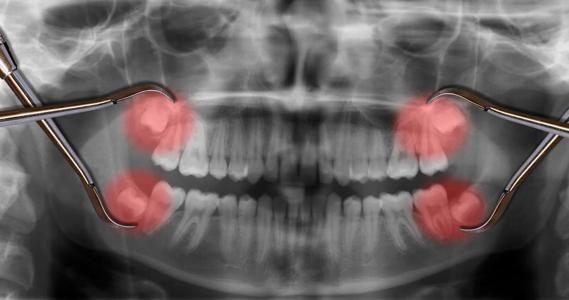
Extraction isn’t always necessary, but getting the ‘extra’ teeth out may limit future issues

Your gums may need a closer look by a dentist if they’re bleeding, feeling extra tender or becoming red
Fluoride has the power to make your teeth stronger
Resting, eating soft foods and using a saltwater rinse are key in your recovery

Managing your weight through physical activity may lower your chances of getting this common cancer

It typically starts in October and winds down in early spring, with cases at their highest in the middle of winter

Anxiety disorders, health conditions and past trauma can make driving nerve-wracking — help is available
 Search










