Locations:





These sweet red berries benefit your memory, boost your immune system and keep your heart healthy
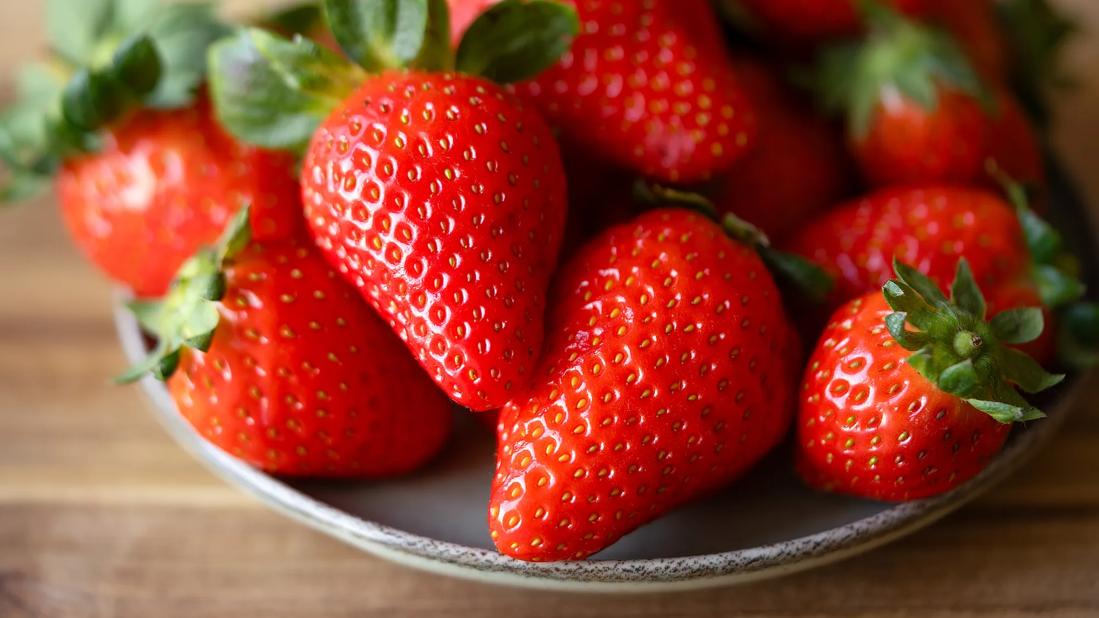
Image content: This image is available to view online.
View image online (https://assets.clevelandclinic.org/transform/ea1392a0-29ac-4136-8c7d-88c73e258d0b/strawberries-2004978876)
Bowl full of fresh whole strawberries
Strawberries are an iconic summer fruit — delicious in lemonade or just straight out of the basket. And it turns out they’re a sweet way to stay healthy, too.
Advertisement
Cleveland Clinic is a non-profit academic medical center. Advertising on our site helps support our mission. We do not endorse non-Cleveland Clinic products or services. Policy
Registered dietitian Julia Zumpano, RD, LD, shares the health benefits of strawberries.
Here’s a fun fact: Strawberries aren’t technically berries. They’re actually what’s known as an “aggregate accessory fruit.” The red part that we think of as being the fruit is actually just a container, so to speak, for the “seeds” … but those seeds are actually the real fruit itself! Wild, right?
But for everyday purposes, that doesn’t really matter — it’s just a fun fact. You can keep referring to strawberries as berries. It’s in their name, after all!
One serving of strawberries is 100 grams, which equals about four large berries or eight medium-sized ones. A single serving contains:
It also provides these nutrients:
“Strawberries give you a lot of nutritional value for very few calories,” Zumpano says. “They’re tasty, but naturally low in sugar, which is a combination that’s hard to beat.”
And strawberries have less natural sugar than other popular fruits, like apples and bananas.
Advertisement
Zumpano shares more benefits of strawberries.
Strawberries are packed with antioxidants, which protect your cells from damage caused by oxidative stress.
“The primary antioxidant in strawberries is anthocyanin, which gives the fruit its color,” Zumpano explains. “The amount of anthocyanin in strawberries increases as the fruit ripens. So, the redder the berry, the more antioxidants it contains.”
Eating strawberries may help protect your brain’s processing powers as you get older.
An older study found that people with higher blueberry and strawberry consumption had less cognitive decline, meaning their thinking and processing abilities didn’t weaken as much. Another study found that people who ate one or more servings of strawberries per week had a 34% lower likelihood of developing Alzheimer’s disease than people who ate them fewer than once a month.
Researchers believe these protective effects all come down to antioxidants’ ability to help safeguard cells. Plus, some of the antioxidants in strawberries help reduce systemic inflammation, which is a key factor in the development of Alzheimer’s disease and other age-related conditions.
Just a handful of strawberries can help keep your immune system in good shape. Strawberries are a great source of vitamin C (ascorbic acid), which:
“Eight medium strawberries contain 160% of your daily recommended amount of vitamin C,” Zumpano says. “That’s even more of it than you get from an orange — the fruit that’s famous for being big on vitamin C!”
And another bonus: The polyphenols in strawberries may have antiviral and antimicrobial properties that positively affect your immune system.
Snacking on strawberries isn’t just a way to stave off hunger — it’s also a good choice for your heart. Older research shows that strawberries are a heart-healthy food that may help lower the risk of conditions linked to:
Eating strawberries has also been linked to lowering cholesterol and decreasing triglycerides, which are fats found in your blood. Both high cholesterol and high triglycerides are risk factors for heart disease.
Remember those anthocyanins we talked about? They’re the most prevalent antioxidants in strawberries, and they’re known for their anti-inflammatory effects.
But why does that matter? Because lifestyle factors like diet, low physical activity and smoking can lead to inflammation in your body, which can contribute to multiple diseases, including heart disease.
Advertisement
Too much glucose (sugar in your blood) is a risk factor for Type 2 diabetes, which is also a risk factor for developing heart disease. If you’re watching your blood sugar levels, strawberries are a good way to satisfy your sweet tooth.
One study found that when people ate strawberries with white bread, their bodies released 26% less insulin compared to when they ate the bread with cucumber. Even though other berries, like raspberries and cranberries, were tested, only strawberries helped reduce the spike in blood sugar after the meal.
Strawberries are delicious, low in sugar and full of good-for-you nutrients, making them a great addition to a healthy diet. Just be sure to rinse them first to help prevent contamination illnesses like E. coli.
While these summery berries are a delicious addition to any dessert, be mindful of sugary additions like whipped cream, cake or ice cream.
“The good news is that strawberries are sweet on their own,” Zumpano points out. “But if you want to make something with them, I suggest adding them to smoothies or using them as a topper on foods like oatmeal, yogurt and salads.”
Advertisement

Sign up for our Health Essentials emails for expert guidance on nutrition, fitness, sleep, skin care and more.
Learn more about our editorial process.
Advertisement

From sauerkraut to kimchi, these foods can help keep your gut healthy

This East Asian and subtropical fruit is packed with delicious nutrition
Lean meats, fish, dairy and plant proteins can help you meet your protein needs without piling on saturated fat and sugar

Choosing snacks with protein can help curb hunger, support muscle health and keep your energy steady between meals

Fish packs plenty of protein, heart-healthy fats and other body-boosting nutrients into every bite

Both are healthy choices, but wild-caught salmon offers a few more benefits
These bright berries are packed with nutrients and antioxidants that may support your eyes, immune system and overall well-being

The general rule is 1.2 to 1.6 grams of protein per kilogram of body weight — but that may not be exactly right for you

Managing your weight through physical activity may lower your chances of getting this common cancer

It typically starts in October and winds down in early spring, with cases at their highest in the middle of winter

Anxiety disorders, health conditions and past trauma can make driving nerve-wracking — help is available
 Search










