Locations:





 Search
Treatments can help, besides a hysterectomy
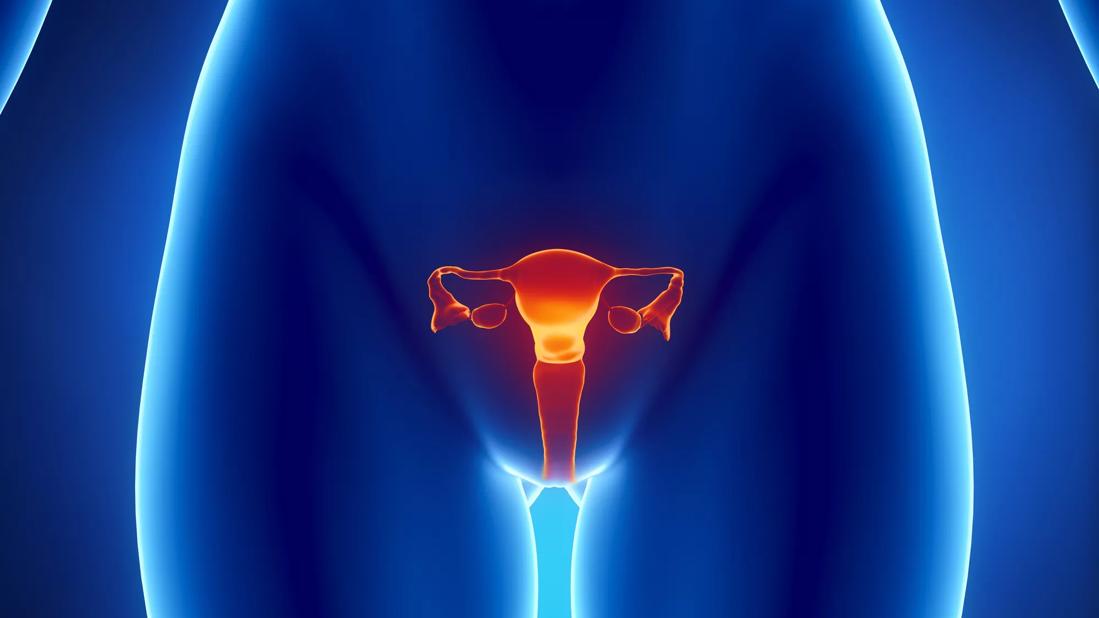
If you are a woman reading this, the odds are that you have or have had uterine fibroids but didn’t even know it. These benign growths of muscle and connective tissue of the uterus are a common occurrence, affecting 60-80 percent of women. Also, they generally do not cause any symptoms.
Advertisement
Cleveland Clinic is a non-profit academic medical center. Advertising on our site helps support our mission. We do not endorse non-Cleveland Clinic products or services. Policy
There are times, however, that their presence causes problems, including painful sex.
Depending upon where they form, their size and number, they can cause a variety of symptoms. Discomfort during intercourse is one possible symptom, while heavy or irregular menstrual bleeding and muscle cramping resulting from fibroids also can interfere with your sex life.
Difficulty urinating, constipation, anemia and craving for ice are other potential signs. Fibroids also can make a woman look pregnant and give a feeling of a mass in her abdomen. At their worst, they can cause infertility, miscarriage or premature delivery.
Imagining why uterine fibroids can become troublesome (and why treatment can vary) is easier when you consider this: Your uterus is about the size of a lemon, while a fibroid can become the size of an apple, grapefruit, cantaloupe — or even a watermelon.
Also, each fibroid is unique. Its features are as individual as your thumbprint or a snowflake.
To determine treatment options for fibroids, it’s important to have imaging of the uterus performed with either transvaginal ultrasound or even an MRI of the pelvis. Understanding the specific characteristics of your fibroid(s) is critical to understanding the best treatment options.
Advertisement
Painful sex can be tied to a variety of issues so it’s important to discuss with your doctor.
If you are diagnosed with fibroids, know that a hysterectomy isn’t always necessary. Besides considering the size, number, and location of the fibroids, treatment also depends on whether a woman is trying to preserve her fertility.
It’s true that for some women, a hysterectomy is absolutely the best and sometimes only choice. However, if you want children or desire uterine preservation, talk to your doctor. Don’t hesitate to seek a second opinion appointment if you are uncomfortable with the recommendation you receive. There are many less invasive treatment modalities available.
If most of your symptoms involve heavy bleeding and cramps, treatment options may include:
For broader symptoms, including pelvic pressure, pain, bladder and bowel symptoms, treatment options may include:
If you have fibroids or suspect fibroids, talk to your doctor. There are many treatments available, and a hysterectomy may or may not be your best option.
From the book Us! Our life. Our Health. Our Legacy. by Linda Bradley, MD and Margaret McKenzie, MD
Advertisement

Sign up for our Health Essentials emails for expert guidance on nutrition, fitness, sleep, skin care and more.
Learn more about our editorial process.
Advertisement

To help manage symptoms, switch to more absorbent period products, make healthy lifestyle changes and explore treatment options
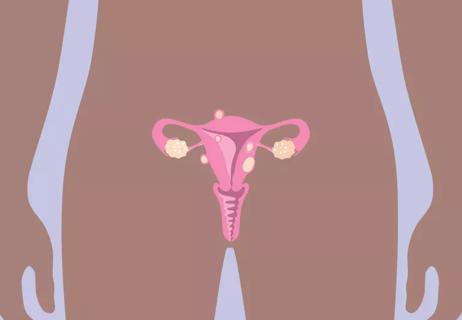
Depending on their size, these noncancerous growths can create an abdominal bulge

Depending on size and location, they can affect your rectum, stomach, bladder and kidneys
Eating more fruits and veggies and less red meat could help prevent or shrink fibroids

How uterine fibroids can change with your body
If you’re living through fatigue due to fibroids, there are ways to cope

Most oropharyngeal cancers can be traced to a virus that can be shared during oral sex

The little blue pill might help with physical arousal, but there are better treatments for low libido in women

Even small moments of time outdoors can help reduce stress, boost mood and restore a sense of calm

A correct prescription helps your eyes see clearly — but as natural changes occur, you may need stronger or different eyeglasses

Both are medical emergencies, but they are very distinct events with different causes











