Locations:





Both strategies work together to impact muscle growth, fat loss and strength gains
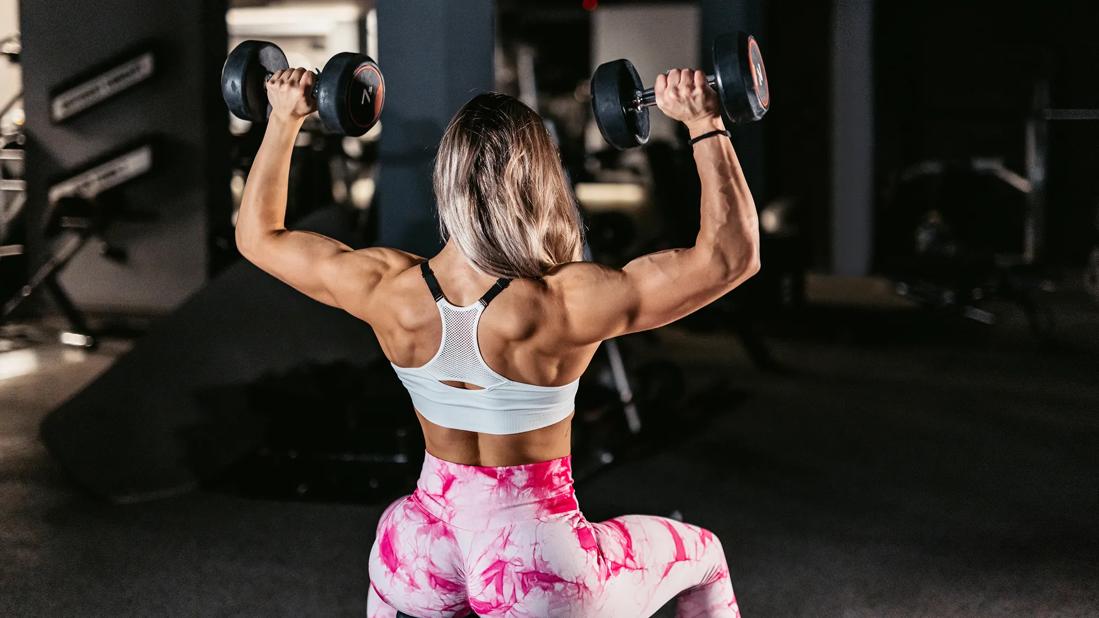
Image content: This image is available to view online.
View image online (https://assets.clevelandclinic.org/transform/12151208-68d6-4a52-b2ac-8f4041672138/lilfting-weights-1461372152)
Muscular person sitting on workout bench, lifting dumbbells overhead
Building muscle and losing body fat aren’t always achieved in the same way. Depending on your goals, you may need to eat more, eat less or alternate between the two.
Advertisement
Cleveland Clinic is a non-profit academic medical center. Advertising on our site helps support our mission. We do not endorse non-Cleveland Clinic products or services. Policy
That’s where bulking and cutting come in. These nutrition and training strategies can help shape your physique, improve strength, build endurance and support long-term fitness goals.
Exercise physiologist Christopher Travers, MS, explains how bulking and cutting work and how to decide which approach is right for you.
Bulking and cutting are two intentional phases of body recomposition. Each involves changing your diet and training to impact muscle development.
“If you’re someone who does wrestling, weightlifting or strength training on a regular basis, bulking and cutting is probably part of your process,” notes Travers. “These phases can have a direct impact on your strength, endurance and muscle definition.”
Let’s look more closely at both.
A bulk involves eating more calories than your body burns each day. During this phase, you continue strength training while increasing your intake of protein, carbs and healthy fats to help build muscle.
Over time, these muscle gains can help you lift heavier weights and tackle more challenging workouts.
With bulking, you’re not trying to gain as much weight as possible in a short amount of time. Instead, you’re eating a modest amount of additional calories to support a steady increase in muscle size and strength. Think of it as building the foundation you’ll refine later during a cutting phase, when you focus on reducing body fat to reveal more muscle definition.
Advertisement
For athletes, it’s common to bulk up during the off-season or in the weeks leading up to a competition.
“While wrestlers and other athletes may use bulking to build muscle mass and improve performance, anyone can use this approach to support long-term strength and fitness goals,” says Travers.
You could eat fried foods, processed foods and a boatload of desserts — what people call “dirty bulking” — to gain weight. But that’s not ideal or the safest route to success.
“The problem with dirty bulking is you could be adding a lot more fat mass, which in turn, could make your cut a lot harder,” cautions Travers. “So, you want to focus on increasing high-quality calories instead of just rapid weight gain.”
How many calories you need to add during a bulk varies from person to person. But in most cases, you’re looking at adding a calorie surplus of 200 to 500 calories a day.
Travers recommends eating more of these foods to fuel your fitness during a bulk:
“Carbs help fuel performance, protein supports muscle growth and healthy fats support hormone health,” he continues. “You don’t have to add a whole extra meal. Just add a little bit more of these foods throughout the day to get your calorie count up.”
Not sure where to start? Work with a sports medicine physician or dietitian to put together a nutritional plan. They can also help you figure out how many calories you need for healthy weight gain.
Weightlifting is crucial to bulking. Without it, you just pack on the pounds. But if you progressively increase your lifting sets, reps and weight, your body will put the extra calories you consumed to work.
“During a bulk, you’re trying to keep your intensity level high,” says Travers. “If you increase your resistance, you’re going to gain more lean muscle mass, which in turn, is going to help you burn more calories.”
Bulking doesn’t happen overnight. It’s usually a months-long process of gradually increasing your calorie intake and training intensity.
“Bulking can last four to eight months, especially for people who are doing it for the first time,” says Travers.
Cutting is the opposite of bulking. Instead of increasing calories, you eat fewer calories than your body burns during a single day. This temporary calorie deficit is meant to help you lose any fat you gained during the bulk phase, while also maintaining muscle mass.
Strength training remains important during the cutting phase. But you may not be able to lift as much weight or exercise for as long as you did during a bulk. That’s because of a decrease in energy from eating fewer calories.
Advertisement
“The goal of cutting is slow, sustainable fat loss — not rapid weight loss,” explains Travers. “When you’re cutting, you’re trying to minimize the loss of muscle mass.”
The goal of cutting is to:
Weightlifters, for example, may cut weight to compete in a specific weight class. Bodybuilders might cut before a competition to improve muscle definition.
With cutting, you’ll want to focus on eating high-protein foods and high-fiber foods. Carbs should be limited.
“The problem with carbs is that you get a good energy rush out of them, but then you’re hungry an hour or two later,” warns Travers. “High-fiber and high-protein foods will help you manage that hunger while still fueling your workouts.”
Just be careful not to slash your calories overnight. Instead, reduce your intake gradually until you reach your target calorie deficit. This can help prevent excessive hunger, low energy levels and muscle loss.
Calorie deficits will vary, but it’s common to aim for 250 to 500 fewer calories than what you normally consume. If you’re not sure how much to cut, talk with a sports medicine professional or a dietitian.
Advertisement
Strength training will help you keep muscle you’ve gained during the bulking phase. Try to stick to the same level of intensity. But you may also want to work in a couple of quick cardio exercises to increase calorie burn.
“If you’re feeling fatigued, you can cut back on sets or reps while lifting,” advises Travers. “You may also need longer recovery times between workouts, and that’s OK. Your body needs that extra time to recover when you’re fueling it with fewer calories.”
Cutting phases tend to run shorter than bulking. Travers says they can last anywhere from roughly six weeks to about four months.
“You don’t want to do too long of a cut or cut out too many calories from your diet because it can have unnecessary side effects,” he states. “Too much calorie deficit can lead to fatigue, poor recovery and sleep, and loss of muscle mass.”
How you decide when to bulk or cut depends on your goals, current fitness level and overall health.
If you’re looking to lose body fat while maintaining muscle, cutting may be the way to go. But if your goal is to gain muscle and increase strength, bulking may be the better option.
It’s common to alternate between these two phases as goals and physical activities change, too. You may want to move from bulking to cutting (or the other way around) if you:
Advertisement
Maintenance is also an option — you don’t have to constantly work to change your body. If you’re just getting started with a workout program, it might even be best to focus on eating healthy and exercising regularly. Devote a few months to locking down that routine before trying a bulk or cut.
“Bulking and cutting have to be planned and gradual,” clarifies Travers. “They can’t be rushed or too extreme because then you could increase your risk of injury and other complications.”

Sign up for our Health Essentials emails for expert guidance on nutrition, fitness, sleep, skin care and more.
Learn more about our editorial process.
Advertisement

Excessive exposure to saltwater can dehydrate skin and hair, despite having a few benefits

A fresh water rinse before and after swimming can go a long way

Bright bathing suit colors can make kids easier to see in pools, lakes and oceans — but color is only one part of water safety

A type of high-intensity interval training, boxing can challenge your body and mind

Start training with full-body workouts at least six to eight weeks before you hit the slopes

To avoid swimmer’s eye, wear goggles, use eye drops and flush out your eyes with fresh, clean water when irritated

Keep kids safe while they swim by staying vigilant and setting up a safe pool environment
Having a well-rounded, healthy nutrition plan is just as important as staying consistent with your exercise routine
Eyes typically increase to full size during two growth spurts in childhood
To start, opt for calorie-dense foods that are rich in protein and healthy fats

Pre-birth injections and monoclonal antibodies can help prevent serious complications
 Search










