Locations:





Changes in your immune system, environment and exposure can all cause allergy symptoms to fade with time
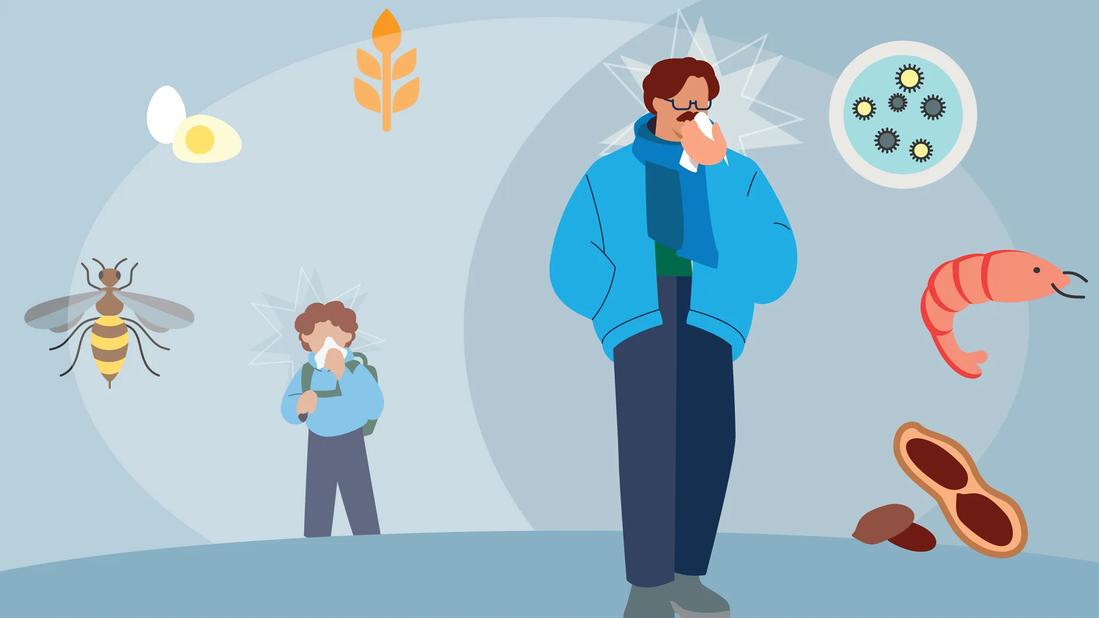
Image content: This image is available to view online.
View image online (https://assets.clevelandclinic.org/transform/55da1c33-ec9a-4dc1-9508-cda60ea58d19/Allergies-outgrow-child-adult-952011076)
Child with allergies blowing their nose, with child as an adult blowing their nose
If you have allergies, you know they can make you miserable. But are they a problem for life, or can you grow out of allergies?
Advertisement
Cleveland Clinic is a non-profit academic medical center. Advertising on our site helps support our mission. We do not endorse non-Cleveland Clinic products or services. Policy
Allergist/immunologist Lily Pien, MD, explains the how and why of allergies changing over time.
While you’ve probably heard that you can grow out of allergies, the reality is a little more complicated. It can vary based on what you’re allergic to — and what you mean by “outgrow.”
“Some people lose clinical symptoms to allergens over time,” Dr. Pien reports. “But not reacting to a trigger doesn’t always mean the underlying allergy or sensitivity is gone. In fact, you may test positive if you get a blood test or skin prick test.”
We also know that certain allergies are more likely to fade or disappear, while others tend to be with you all of your life.
Dr. Pein says that children sometimes lose allergies to:
Allergies that are less likely to go away over time include:
There are several (often overlapping) reasons that allergies can wax and wane with age.
If you’ve stopped being allergic to something, it could be because your:
Advertisement
So, do you outgrow allergies? Perhaps, yes. But as you can see, there are a lot of other reasons why your immune system may behave differently than it did when you were younger.
“Don’t just assume that an allergy is gone based on a lack of symptoms,” Dr. Pien advises. “Talk to your allergist. They’ll assess you and — if needed — run tests to figure out what’s happened and whether it’s safe to reintroduce those triggers.”
Come to that appointment prepared to answer these questions:
Your provider will also want to know the details of your medical history. If possible, try to bring them any of your previous allergy testing or bloodwork results. That will help them figure out if you’ve outgrown your allergy.
You can’t exactly train your body not to be allergic, but immunotherapy and other treatments may help alleviate your symptoms — or prevent an allergy from developing in the first place.
Advertisement
“There has been a recent shift in how we manage pediatric food allergies,” Dr. Pien explains. “In a controlled environment, under a provider’s close supervision, we build your child’s tolerance slowly, offering increasingly larger amounts of an allergen. This approach may help children who are at risk for developing food allergies.”
But Dr. Pien stresses that it’s dangerous to DIY this kind of treatment.
“This is a new and evolving practice. You need to discuss the strategy carefully with your physician,” she emphasizes. “This approach is definitely not something you should try on your own at home.”
Advertisement

Sign up for our Health Essentials emails for expert guidance on nutrition, fitness, sleep, skin care and more.
Learn more about our editorial process.
Advertisement
Autumn allergens typically begin to bloom — and release their pesky pollen — around August
Aging, time of day, time of year and weather patterns can all make your allergies worse
Drowsiness can be a side effect of inflammation, disrupted sleep and, sometimes, your allergy medicine

The research is mixed, but experts agree: The risks outweigh the benefits

Keeping your windows closed, showering before bed and using OTC allergy meds may help keep summer sniffles at bay
The right choice for you depends on your symptoms, but options like nasal sprays and antihistamines can offer relief
When your allergies flare up depends on your location, immune health, personal triggers and more

Washing your sheets, rinsing your sinuses and running an air purifier are simple tricks for all-natural allergy relief

Managing your weight through physical activity may lower your chances of getting this common cancer
It typically starts in October and winds down in early spring, with cases at their highest in the middle of winter

Anxiety disorders, health conditions and past trauma can make driving nerve-wracking — help is available
 Search










