Locations:





The research is mixed, but experts agree: The risks outweigh the benefits
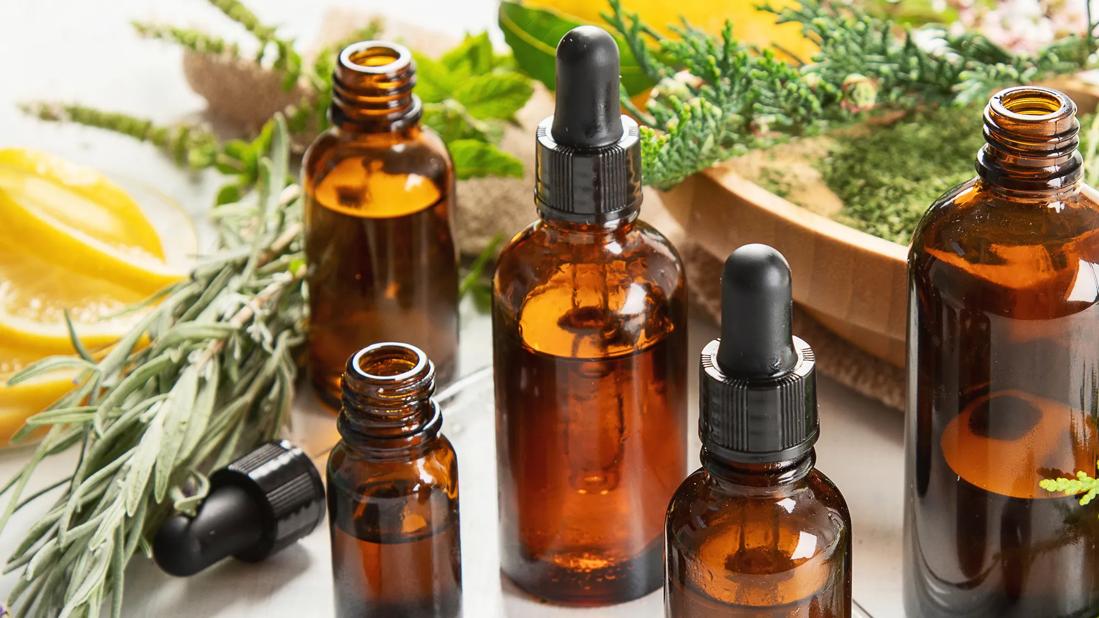
Image content: This image is available to view online.
View image online (https://assets.clevelandclinic.org/transform/490d5b1e-0790-4237-8e1c-ce43c9af23d9/array-essential-oils-2223492515)
Bottles of essential oils alongside plants
Whether you’re dealing with seasonal sniffles, food sensitivities or skin irritation, you know that allergies can really wear you down. In the quest for relief, you may be tempted to try essential oils.
Advertisement
Cleveland Clinic is a non-profit academic medical center. Advertising on our site helps support our mission. We do not endorse non-Cleveland Clinic products or services. Policy
Hold that thought.
Integrative medicine specialist Melissa Young, MD, says that experts agree: The risks of essential oils outweigh their potential benefits when it comes to allergies. Here's why.
There’s no strong evidence that essential oils are safe or effective as a treatment for allergies. And there are important safety considerations to be aware of before you try them.
Dr. Young says that essential oils may irritate your:
Depending on what you’re allergic to, essential oils may even trigger a cross-reaction. For example, if you’re allergic to ragweed, you’re more likely to have an allergic reaction to chamomile essential oil because the plants are related.
While a few small studies suggest specific essential oils can bring symptom relief, Dr. Young states that, based on the available research, the risks outweigh the benefits.
Just as important: Essential oils aren’t regulated by the U.S. Food and Drug Administration (FDA). That means you can’t be sure the products meet basic quality or safety standards.
“A lot of the products that are sold aren’t pure essential oils,” Dr. Young reports. “And even with the ones that are pure, you don't know the dilution or how strong they are.”
Advertisement
If you’re using essential oils to deal with an allergic reaction of some kind, that uncertainty can be dangerous.
Experts don’t recommend using essential oils for hives, eczema or any other allergic skin condition. Applying these products to broken or irritated skin may worsen symptoms or trigger another reaction.
“Essential oils can cause contact dermatitis when used on damaged skin,” Dr. Young says. “And many people don’t realize that these products can make your skin more sensitive to sunlight. I’ve seen people develop sunburns after using them.”
Even if you don’t have allergies, keep in mind that essential oils aren’t right for everyone. Certain kinds can strip your skin of its natural oils, leaving it dry, tight and flaky. Consider talking with a dermatologist before adding these products to your skin care routine.
Essential oils are not recommended as a treatment for food allergies.
“You should not ingest essential oils, period,” Dr. Young emphasizes. “Some can be deadly if swallowed. And you shouldn’t use any kind of essential oil to treat an allergic reaction.”
She explains why.
If you’re having symptoms of a food allergy — like swelling of your lips or tongue, diarrhea, vomiting or hives — you need to stop the reaction fast. Food allergy symptoms can escalate quickly and may lead to a life-threatening allergic reaction called anaphylaxis.
If you have anaphylaxis, you need epinephrine and emergency medical care. Ingesting essential oils cannot stop or reverse anaphylaxis. But here's what it could do:
All this to say, essential oils and food allergies just don’t mix.
Here are a few more risks to consider before using essential oils for allergic reactions:
Advertisement
While you shouldn’t use essential oils for allergies, there are other all-natural approaches that may help. Dr. Young suggests these strategies for quick symptom relief:
If these therapies and over-the-counter treatments don’t put a dent in your allergy symptoms, reach out to your healthcare provider for support. It may be time to see an allergist.
Advertisement

Sign up for our Health Essentials emails for expert guidance on nutrition, fitness, sleep, skin care and more.
Learn more about our editorial process.
Advertisement
Autumn allergens typically begin to bloom — and release their pesky pollen — around August
Aging, time of day, time of year and weather patterns can all make your allergies worse
Drowsiness can be a side effect of inflammation, disrupted sleep and, sometimes, your allergy medicine
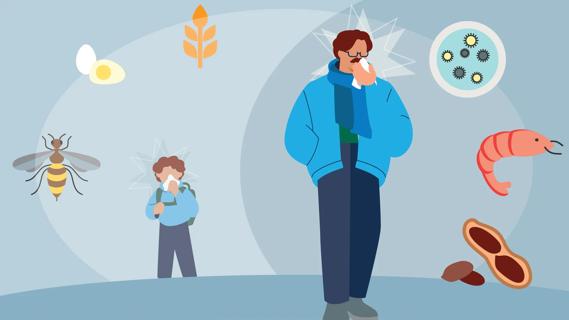
Changes in your immune system, environment and exposure can all cause allergy symptoms to fade with time

Keeping your windows closed, showering before bed and using OTC allergy meds may help keep summer sniffles at bay
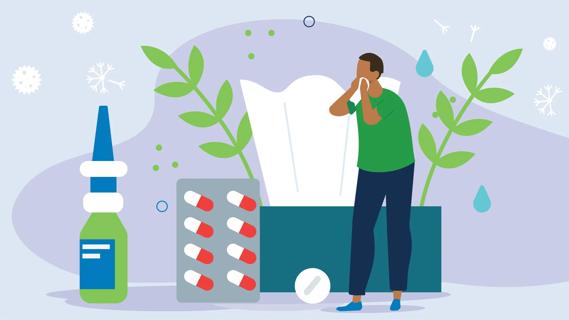
The right choice for you depends on your symptoms, but options like nasal sprays and antihistamines can offer relief
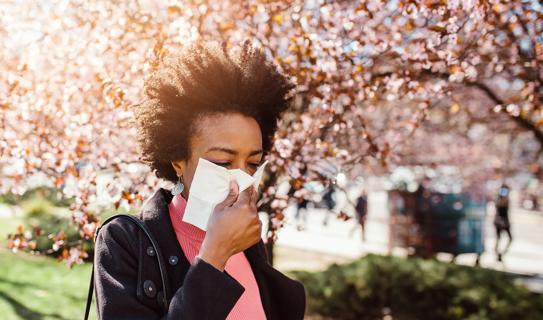
When your allergies flare up depends on your location, immune health, personal triggers and more
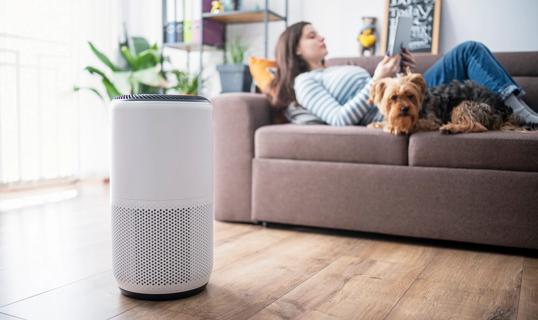
Washing your sheets, rinsing your sinuses and running an air purifier are simple tricks for all-natural allergy relief

Managing your weight through physical activity may lower your chances of getting this common cancer

It typically starts in October and winds down in early spring, with cases at their highest in the middle of winter

Anxiety disorders, health conditions and past trauma can make driving nerve-wracking — help is available
 Search










