Locations:





Keeping your windows closed, showering before bed and using OTC allergy meds may help keep summer sniffles at bay
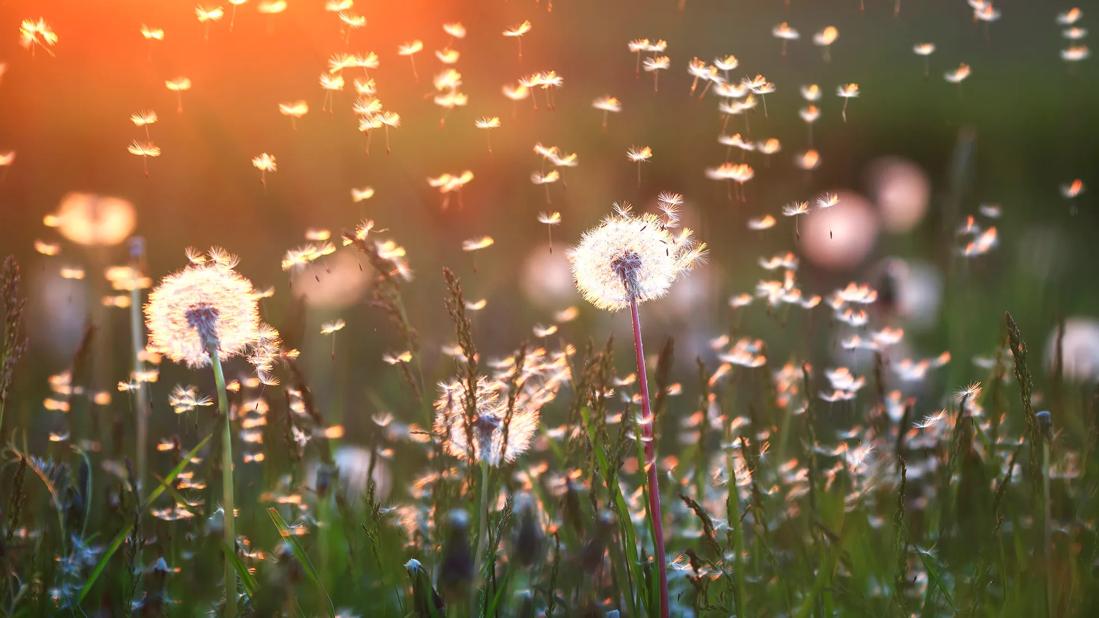
Image content: This image is available to view online.
View image online (https://assets.clevelandclinic.org/transform/0cf12edb-3454-4158-bed2-1e12a90563ed/dandelion-pollen-summer-1245227583)
Field of white fluffy dandelions, with pollen floating in the breeze
There’s a reason we spend so much of the year looking forward to summer: It’s a time for family vacations, pool parties and picnics. So, why are you spending it sneezing, sniffling and stuffed up?
Advertisement
Cleveland Clinic is a non-profit academic medical center. Advertising on our site helps support our mission. We do not endorse non-Cleveland Clinic products or services. Policy
Allergist Mark Aronica, MD, explains what summer allergies are and how to keep them from sullying the season.
Summer allergies are allergic reactions to environmental triggers that peak during the summer months. Although many people call them “summer allergies,” your healthcare provider will likely call them seasonal allergies, or allergic rhinitis.
If your allergies tend to be at their worst during the summertime, you’re likely allergic to one or more of these triggers:
In the Northern hemisphere, tree pollen and grass pollen tend to peak sometime between May and July, while weed pollen and outdoor mold spores are busiest between July and November. (So, if you deal with lots of allergies in July, you come by them honestly.)
It’s also worth keeping in mind that our behavior changes when all that sunshine starts to feel oppressive. If you’re spending more time inside to beat the heat, a spike in allergies could be the result of:
Summer allergy symptoms mirror the ones you get during other times of year, like:
Advertisement
There’s one other seasonal allergy symptom that Dr. Aronica says tends to fly under the radar: fatigue.
“Fatigue is actually a very common symptom associated with allergic rhinitis,” he clarifies. “It’s probably brought on by disrupted sleep patterns. After all, it’s tough to get a good night’s rest when you’re dealing with congestion, a runny nose or sneezing.”
Sometimes, your summer sniffles aren’t allergies at all — they’re symptoms of a summer cold.
Cold and allergy symptoms often overlap. But Dr. Aronica says it’s more likely to be a cold if you have:
Timing can also tell you a lot. Common cold symptoms tend to be at their gnarliest right when you wake up in the morning and when you lie down at night.
Allergies can flare in the morning and at night, too, but Dr. Aronica says it happens for different reasons.
“Pollen counts typically peak between 5 and 10 a.m., making early risers especially vulnerable,” he notes. “And at night, indoor allergens may be a factor.”
Allergies can also spike whenever you’re outdoors during high-pollen periods or doing activities — like mowing the lawn or gardening — that stir up pollen, mold spores and other summer allergy triggers.
You’re most likely to develop summer and other seasonal allergies if you:
If summer allergies are bumming you out, your first step toward an allergic rhinitis diagnosis is contacting your primary care provider or — if you already have one — your allergist.
They’ll determine whether you have seasonal allergies based on:
But keep in mind: Not all runny noses point to an allergy. It’s also possible you’re dealing with non-allergic rhinitis, which can be equally unpleasant, but won’t respond to medications the same way.
“There are very good treatments for non-allergic rhinitis,” Dr. Aronica reassures. “So, whether your symptoms are allergic or non-allergic, we can help.”
If home remedies like neti pots and warm drinks aren’t doing enough to manage your summer allergy symptoms, your next step is trying over-the-counter (OTC) medicines, like:
Advertisement
Dr. Aronica notes that nasal sprays are the best option for managing seasonal allergies, provided you’re using them correctly.
“I recommend the nasal sprays for regular use, and you can sometimes add a non-drowsy oral antihistamine on top of that,” he explains. “But if you feel a benefit from the oral antihistamines, it’s OK to take them on a daily, regular basis.”
If you’re really struggling, you can try OTC antihistamines with added decongestants. These are the medications that have a “D” on them, like Zyrtec-D®, Claritin-D® or Allegra-D®.
“It’s often more cost-effective to purchase plain pseudoephedrine — the D in these meds — and add it to your regular antihistamine as needed,” Dr. Aronica suggests.
Advertisement
While antihistamines with pseudoephedrine do a great job tackling severe allergy symptoms, they also have more side effects.
“Use them on an as-needed basis to cover tougher days, but certainly no longer than 10 to 14 days at a time,” he emphasizes.
And if that doesn’t work? That’s when it’s time to see a provider. You may need to level up to prescription-strength medicines, like:
One of the best ways to keep summer allergies from ruining your fun is by limiting your exposure to triggers. You can’t avoid them entirely, but you can:
Advertisement
“Those are some of the small, easier things you can do to limit your exposure during pollen season,” Dr. Aronica summarizes. Combined with medications, home remedies and the support of a healthcare provider, those steps may be enough to save your summer.

Sign up for our Health Essentials emails for expert guidance on nutrition, fitness, sleep, skin care and more.
Learn more about our editorial process.
Advertisement
Autumn allergens typically begin to bloom — and release their pesky pollen — around August
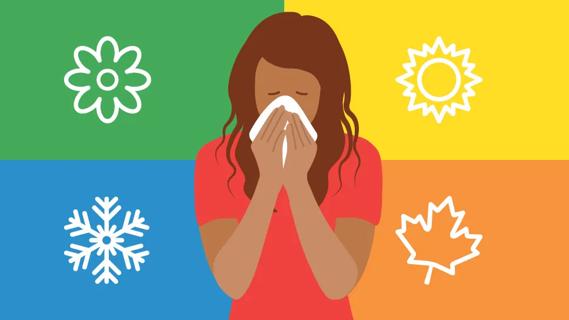
Aging, time of day, time of year and weather patterns can all make your allergies worse
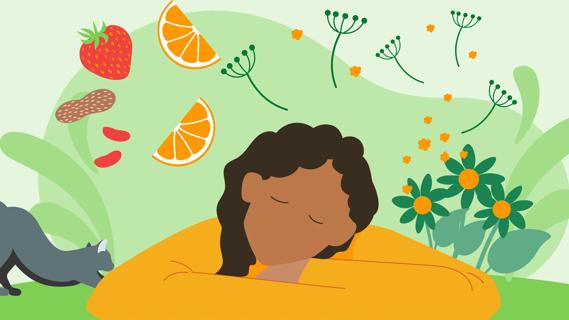
Drowsiness can be a side effect of inflammation, disrupted sleep and, sometimes, your allergy medicine
Changes in your immune system, environment and exposure can all cause allergy symptoms to fade with time
The research is mixed, but experts agree: The risks outweigh the benefits
The right choice for you depends on your symptoms, but options like nasal sprays and antihistamines can offer relief
When your allergies flare up depends on your location, immune health, personal triggers and more
Washing your sheets, rinsing your sinuses and running an air purifier are simple tricks for all-natural allergy relief

Eyes typically increase to full size during two growth spurts in childhood
To start, opt for calorie-dense foods that are rich in protein and healthy fats

Pre-birth injections and monoclonal antibodies can help prevent serious complications
 Search










