Locations:





 Search
The short answer from a preventive cardiologist
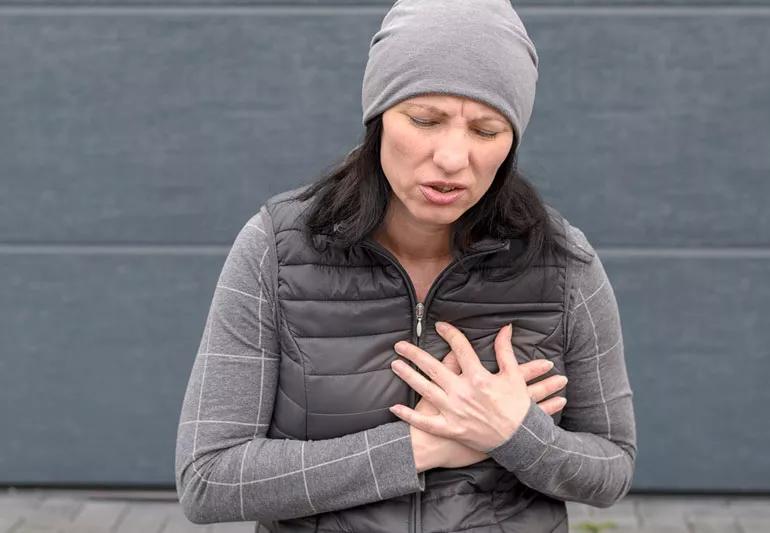
A: Yes, this type of heart attack is called a myocardial infarction in the absence of obstructive coronary artery disease, or MINOCA. It accounts for 5 to 6% of heart attacks.
Advertisement
Cleveland Clinic is a non-profit academic medical center. Advertising on our site helps support our mission. We do not endorse non-Cleveland Clinic products or services. Policy
Compared with other types of heart attacks, patients are usually younger and more likely to be female.
Causes of MINOCA include:
MINOCA is diagnosed based on abnormalities in blood enzymes that show damage to the heart’s muscle. A catheterization will show no evidence of obstruction (blockage) and confirm that no artery is blocked 50% or more. Other imaging tests will identify a limited (localized) area of heart muscle injury.
Cardiac MRI or direct imaging of the interior of your coronary artery may be helpful if the diagnosis is unclear.
You should be evaluated for an increased tendency to form blood clots. It’s important to rule out other causes that may masquerade as a heart attack.
Because MINOCA has a variety of causes, uncovering the correct one is necessary for your doctor to choose the appropriate treatment. These may include calcium channel blockers for spasm or intensive use of blood thinners (anticoagulants) to try to prevent blood clot formation.
Advertisement
The likely course of your disease depends on its underlying cause and treatment strategy.
Ongoing studies are still needed to better understanding the likelihood of recovery from MINOCA. But research suggests that those with MINOCA who receive standard heart attack therapy (aspirin, beta-blockers, ACE inhibitors and statins) have a better long-term outcome than those who don’t.
— Cardiologist Leslie Cho, MD
Advertisement
Sign up for our Health Essentials emails for expert guidance on nutrition, fitness, sleep, skin care and more.
Learn more about our editorial process.
Advertisement

Certain supplements, like licorice root and St. John’s wort, can raise your blood pressure or negatively interact with medication

No, but it momentarily slows down during this involuntary body function
Strokes affect your brain, while heart attacks affect your heart — both can be life-threatening emergencies

It’s an emergency if the pain doesn’t go away, gets worse or you have other worrying symptoms

Age, sex and genetics are just a few factors that can affect your risk of developing coronary artery disease
You may notice a decrease in your LDL ‘bad’ cholesterol in about four weeks

Eating heart-healthy foods, moving around more and getting quality sleep are a few ways to get started

There’s no way to stop a heart attack on your own — call for help immediately
Even small moments of time outdoors can help reduce stress, boost mood and restore a sense of calm

A correct prescription helps your eyes see clearly — but as natural changes occur, you may need stronger or different eyeglasses

Both are medical emergencies, but they are very distinct events with different causes











