Locations:





Eating and exercising according to your cycle may reduce PMS and period symptoms
During your menstrual cycle, your sex hormones can rise and fall in ways that leave you feeling tired, energetic or somewhere in between. Cycle syncing is a way to adapt your lifestyle to those changes. The result, for many, is a greater sense of balance and well-being.
Advertisement
Cleveland Clinic is a non-profit academic medical center. Advertising on our site helps support our mission. We do not endorse non-Cleveland Clinic products or services. Policy
“The idea that you can and should listen to your body is revolutionary,” says psychologist Susan Albers, PsyD. “Cycle syncing gives you permission to take care of yourself in a different way.”
Here’s how to do it.
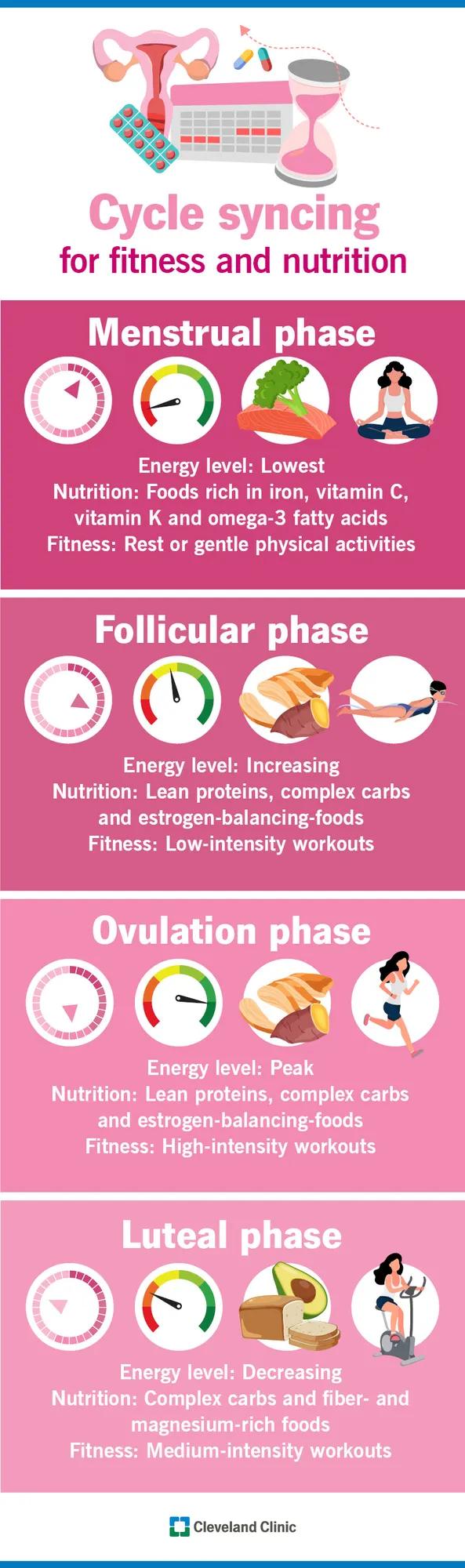
Image content: This image is available to view online.
View image online (https://assets.clevelandclinic.org/transform/a974c29f-affb-4de6-a555-8eeace997c15/cycle-syncing-infographic)
Cycle syncing is adjusting your routines around the phases of your menstrual cycle. It recognizes that, during your menstrual cycle, hormone changes can cause swings in your:
The concept of cycle syncing came from functional nutritionist Alisa Vitti’s 2014 book, WomanCode. These days, it’s a popular topic on social media.
Dr. Albers notes that the cycle syncing program hasn’t been researched in a clinical setting. That said, there’s a lot of research supporting differences in mood and activity levels during each phase of the menstrual cycle.
People often focus on syncing diet and exercise to their cycle. But you can extend the practice to other aspects of your life, too, like work and relationships.
For example, plan an evening out with friends during the more energetic phase of your menstrual cycle — and allow yourself to stay home and binge-watch TV right before or during your period.
Cycle syncing helps you stay in tune with the monthly changes in your hormones, says Dr. Albers. This kind of self-knowledge is extra helpful if you’re trying to become pregnant and need to pinpoint ovulation.
Advertisement
Cycle syncing may also help balance hormone levels in people with polyendocrine metabolic ovarian syndrome (PMOS).
Tailoring your diet and fitness routine to your menstrual cycle may also:
Hormonal birth control uses synthetic hormones to prevent ovulation. So, cycle syncing doesn’t really apply if you’re on it.
“But it’s just as important to pay attention to your body,” Dr. Albers notes. “You may still have ups and downs in your mood, energy levels and appetite. And syncing your diet and exercise to these changes can be helpful.”
The first step in cycle syncing is learning about your menstrual cycle.
The typical menstrual cycle is 28 days long and has four phases:
Most cycle lengths vary, so you can’t assume yours is exactly 28 days long. Dr. Albers recommends tracking your cycle using a calendar or app. Pay attention to the signals your body sends you, such as your:
“It may take several months to figure out your cycle,” she says. “Once you know your phase pattern, you can adjust your diet and exercise accordingly.”
Your body’s nutritional needs change across your cycle. So, eating certain foods at certain times can help support you as your hormones change.
Dr. Albers recommends creating meal plans and shopping lists for each phase of your cycle. Shopping ahead can also help, especially for your menstrual phase, when you may not feel like going out.
Here are some general nutritional suggestions. Be sure to tailor your plan to your specific dietary needs and preferences.
Cramping, fatigue and irritability are common period symptoms. You may turn to sweets, pizza and chips for comfort. But eating these foods during your period can throw your hormones out of balance and rob you of important nutrients.
Better foods to eat during the menstrual phase include:
Advertisement
Choose foods to support your increased energy levels. Lean proteins and complex carbohydrates — like whole-wheat bread, brown rice and quinoa — will fuel any increase in activity that comes with your higher energy levels.
As estrogen levels rise, eat foods to help your body balance estrogen, including:
During ovulation, your estrogen levels surge — and your liver works hard to break down the excess. To support that extra effort, keep eating the lean proteins, complex carbs and estrogen-balancing foods you centered during the follicular phase.
Dr. Albers adds that following a broader healthy eating plan, like the Mediterranean diet, can give you the strength and stamina you need during this high-energy phase.
The luteal phase can bring on PMS, hunger and cravings. Complex carbs and high-fiber foods — like cruciferous vegetables, leafy greens and sweet potatoes — will help curb hunger.
If you’re craving a sweet or salty snack, Dr. Albers says dark chocolate, fruit, nuts and seeds are good options. Pumpkin seeds, which contain high amounts of magnesium, can help reduce fluid retention.
Advertisement
And remember to stay hydrated. Drinking plenty of water can reduce bloating, brain fog and PMS.
Instead of doing the same workouts week after week, Dr. Albers suggests listening to your body and matching the intensity of your workouts to your changing energy levels.
You have less energy, so this is the time for low-intensity activities, such as walking, stretching or tai chi. “You may not feel like working out at all, and that’s OK,” Dr. Albers says.
As your energy levels increase, start adding cardio-based workouts into your days. Running, swimming and group fitness classes are great options to get your heart rate up.
Take advantage of your peak energy levels with high-intensity workouts, like:
Medium-intensity cardio and strength training are best during this phase. Take things slower as your period draws near, Dr. Albers advises.
It can be frustrating to feel like your menstrual cycle is running the show. But paying attention to your body and its patterns can help you feel more prepared and in control.
“Once you understand how your cycle may be affecting your mood, energy levels and overall well-being, it gets easier to plan ahead and respond to your body’s needs,” Dr. Albers encourages.
Advertisement
“Cycle syncing is one way to build that awareness — and to care for yourself more intentionally.”

Sign up for our Health Essentials emails for expert guidance on nutrition, fitness, sleep, skin care and more.
Learn more about our editorial process.
Advertisement

Your period may occasionally line up with someone else’s, but science suggests coincidence is responsible — not a mysterious biological connection
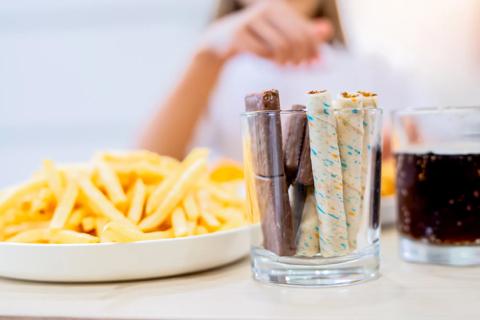
Cravings are a natural response to hormonal changes, but giving into them may make you feel worse
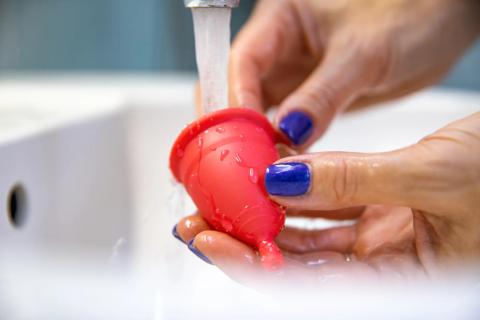
These substitutes for tampons and pads can be a great option for lower cost, lower carbon footprint and longer wear times
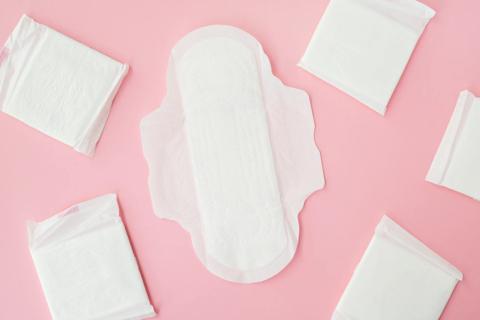
Pads are a low-effort option for period management and come in different absorbencies, materials and shapes
Fluctuating hormones, water retention and a change in habits can cause temporary weight gain
Stress can cause light, late or nonexistent periods — which may eventually create a hormonal imbalance
Your period typically gets darker as the days go on, starting out pink and changing to red, dark red and even brown
Foods with iron, antioxidants and fiber can help you feel your best

Managing your weight through physical activity may lower your chances of getting this common cancer

It typically starts in October and winds down in early spring, with cases at their highest in the middle of winter

Anxiety disorders, health conditions and past trauma can make driving nerve-wracking — help is available
 Search










